With more than 10‑year industry experience, Shandong Headpowder delivers full‑service pneumatic‑conveying systems and blowers, undertaking nationwide turn‑key powder‑handling projects.
Cathode material pneumatic conveying lines are specialized industrial systems designed to transport fine powders, such as those used in lithium-ion battery production. These systems utilize air or other gases to move material through a pipeline, offering a dust-free, efficient, and flexible method of material handling. As a key component in the battery manufacturing process, understanding the design principles and operational aspects of these lines is crucial for optimizing production efficiency and ensuring product quality.
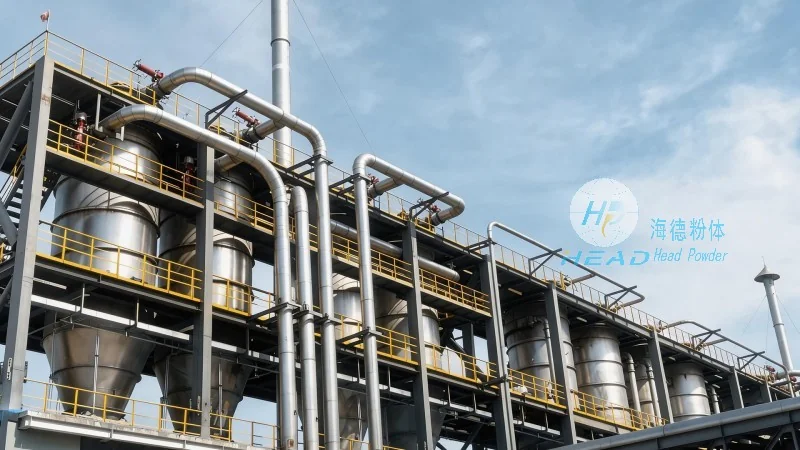
The core components of a cathode material pneumatic conveying line typically include a material feed hopper, a conveying pipeline, a gas source (usually a blower or compressor), and a discharge unit. The feed hopper is responsible for storing and feeding the cathode material into the system, while the pipeline transports the material under pressure. The gas source provides the necessary airflow to move the material, and the discharge unit collects the material at the end of the line. Each component plays a critical role in the overall performance and reliability of the system.
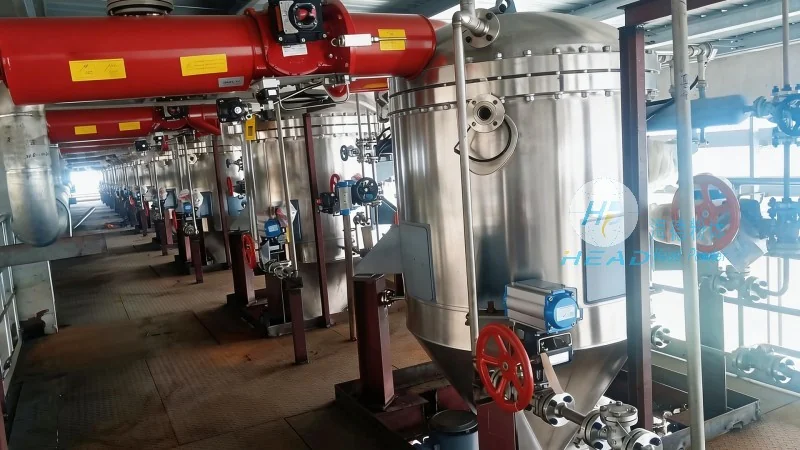
The design of a cathode material pneumatic conveying line is based on several key principles to ensure efficient and reliable operation. First, the system must be designed to handle the specific properties of the cathode material, such as its particle size, density, and moisture content. This includes selecting appropriate pipeline diameters and material of construction to prevent clogging or degradation of the material. Second, the airflow rate and pressure must be optimized to achieve the desired conveying velocity without causing excessive wear on components or energy consumption. Third, the system should incorporate features like pulse-jet cleaning or self-cleaning mechanisms to maintain consistent performance over time. These design considerations are essential for minimizing downtime and maximizing productivity in battery production facilities.
Proper operation and regular maintenance are vital for the longevity and efficiency of a cathode material pneumatic conveying line. Operators must monitor key parameters such as airflow pressure, material flow rate, and system pressure to detect any anomalies early. Regular cleaning of the pipeline and components is necessary to prevent material buildup, which can lead to blockages or reduced conveying efficiency. Additionally, the system should be equipped with safety features, such as pressure relief valves and dust collection systems, to ensure safe operation and compliance with industrial safety standards. By adhering to these operational guidelines, manufacturers can ensure the consistent and reliable performance of their cathode material handling systems.
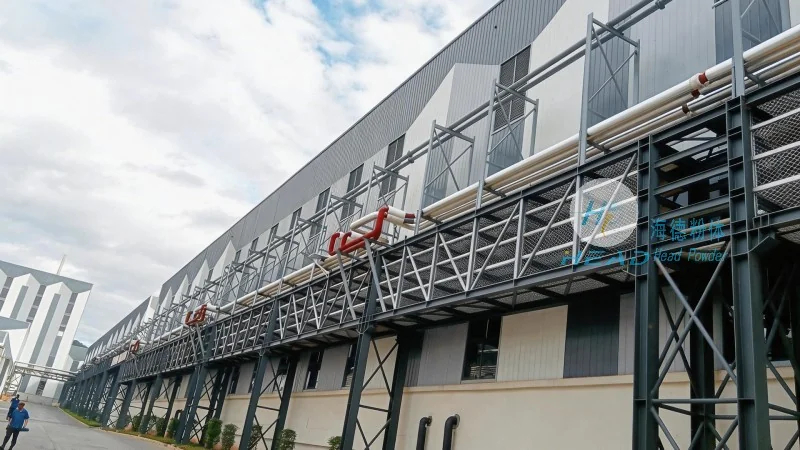
Shandong HeadPowder Engineering Co., Ltd., commonly known as headpowder, is a leading provider of specialized engineering solutions for the battery and material handling industries. With a focus on innovation and quality, the company designs and manufactures advanced pneumatic conveying systems tailored to the unique needs of cathode material processing. Headpowder's expertise in material handling technology ensures that their systems are built to withstand the demanding conditions of battery production, providing reliable and efficient solutions for clients worldwide. The company, headquartered in Shandong, China, has established a strong reputation for delivering high-quality, customized solutions that meet the evolving demands of the battery manufacturing sector.

 Shandong Headpowder Engineering Co., Ltd.
 156-6277-7102(Manager Zhang)
  0531-83386006
  Zhangqiu District, Jinan City, Shandong Province, China
telephone
WeChatconsult
top