With more than 10‑year industry experience, Shandong Headpowder delivers full‑service pneumatic‑conveying systems and blowers, undertaking nationwide turn‑key powder‑handling projects.
When selecting a transport method for lightweight cement, understanding the differences between positive pressure and negative pressure systems is crucial. This guide explores the key factors to consider when choosing between these two approaches, helping you make an informed decision for your specific application.
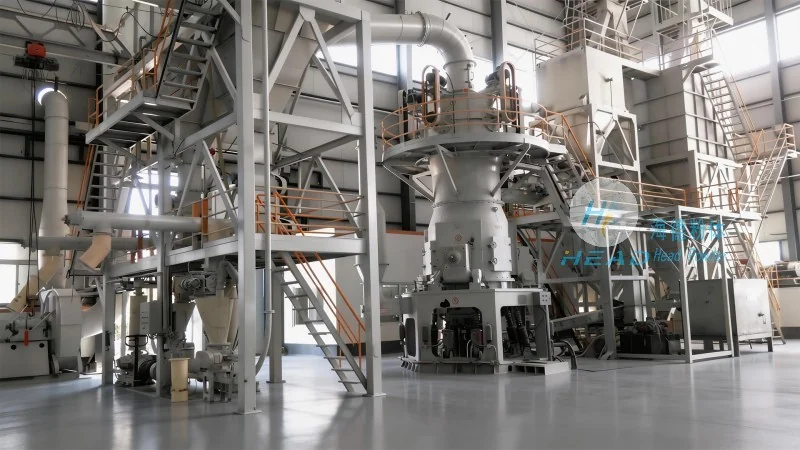
Positive pressure transport systems operate by forcing material through a pipeline using a blower or fan. This method is effective for transporting lightweight cement, as it can handle materials with low bulk density and prevent dust accumulation in the system. The primary advantage of positive pressure is its ability to maintain consistent flow rates and ensure complete material transfer, even in long-distance or complex piping setups. For applications requiring reliable and efficient material movement, positive pressure transport is often the preferred choice.
Positive pressure systems typically include a blower unit, a hopper for material storage, and a pipeline network. The blower generates the necessary air pressure to push the lightweight cement through the system. This setup ensures that the material is continuously moved, reducing the risk of clogging or stagnation. Additionally, positive pressure systems can be equipped with filtration and dust control mechanisms to maintain air quality and comply with environmental regulations. The headpowder company, with its expertise in engineering such systems, offers tailored solutions that meet the specific needs of clients, ensuring optimal performance and durability.
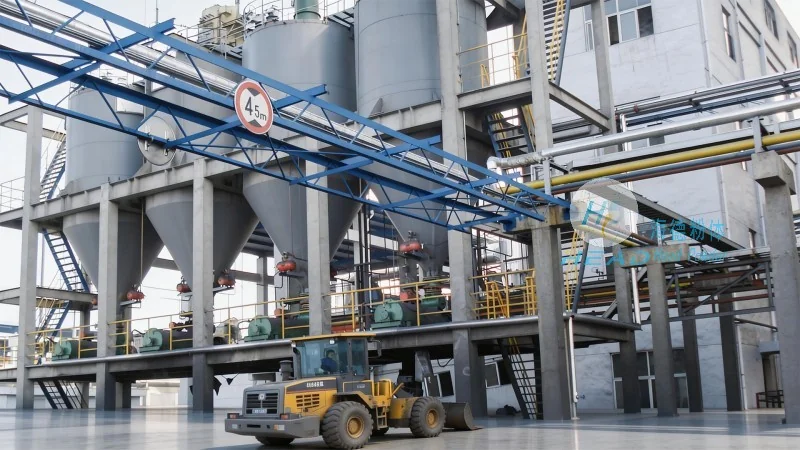
Negative pressure transport, also known as suction or vacuum systems, operates by creating a vacuum to draw lightweight cement into a collection container or pipeline. This method is particularly useful for applications where the material needs to be collected from multiple sources or where the transport distance is shorter. The main benefit of negative pressure is its ability to handle materials with higher moisture content or more abrasive properties, as the suction process reduces the risk of material degradation. However, negative pressure systems may require more maintenance and are generally less efficient for long-distance transport compared to positive pressure systems.
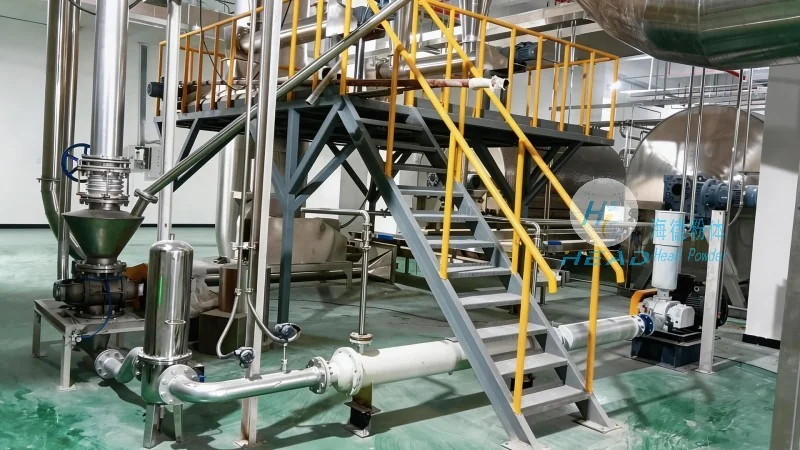
When deciding between positive and negative pressure transport for lightweight cement, several factors must be considered. The distance of the transport route, the bulk density of the material, and the required flow rate are all critical variables. Positive pressure systems excel in long-distance applications and for materials with low bulk density, while negative pressure is better suited for shorter distances or materials with higher moisture content. Additionally, the initial investment and operational costs differ between the two methods. Positive pressure systems may have higher upfront costs due to the blower unit, but they offer lower long-term maintenance expenses. Negative pressure systems, on the other hand, may have lower initial costs but require more frequent maintenance and potentially higher energy consumption.
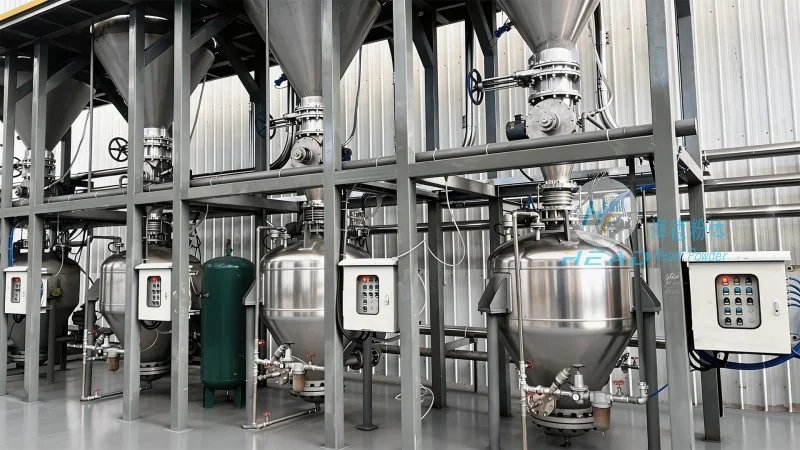
Identifying the appropriate transport method involves evaluating the specific characteristics of the lightweight cement and the operational requirements of the project. For instance, if the transport distance exceeds 500 meters and the material has a low bulk density, a positive pressure system is likely the better choice. Conversely, if the transport distance is under 200 meters and the material contains higher moisture levels, a negative pressure system may be more suitable. The headpowder company provides comprehensive assessments to help clients determine the best transport solution, considering factors such as material properties, site layout, and budget constraints.
Choosing between positive pressure and negative pressure for lightweight cement transport requires a thorough understanding of the material's properties and the project's requirements. Both methods have their advantages and limitations, and the optimal choice depends on the specific application. By considering factors such as distance, bulk density, and operational efficiency, you can select the most effective transport system. The headpowder company, with its expertise in engineering and manufacturing transport solutions, offers customized systems that ensure reliable and efficient lightweight cement transport, meeting the needs of various industries and applications.

 Shandong Headpowder Engineering Co., Ltd.
 156-6277-7102(Manager Zhang)
  0531-83386006
  Zhangqiu District, Jinan City, Shandong Province, China
telephone
WeChatconsult
top