With more than 10‑year industry experience, Shandong Headpowder delivers full‑service pneumatic‑conveying systems and blowers, undertaking nationwide turn‑key powder‑handling projects.
When it comes to transporting sodium dithionite, a critical decision for industrial operations is choosing between positive pressure and negative pressure systems. This choice impacts safety, efficiency, and operational costs. Understanding the distinctions between these two methods is essential for selecting the most suitable solution for your specific application.
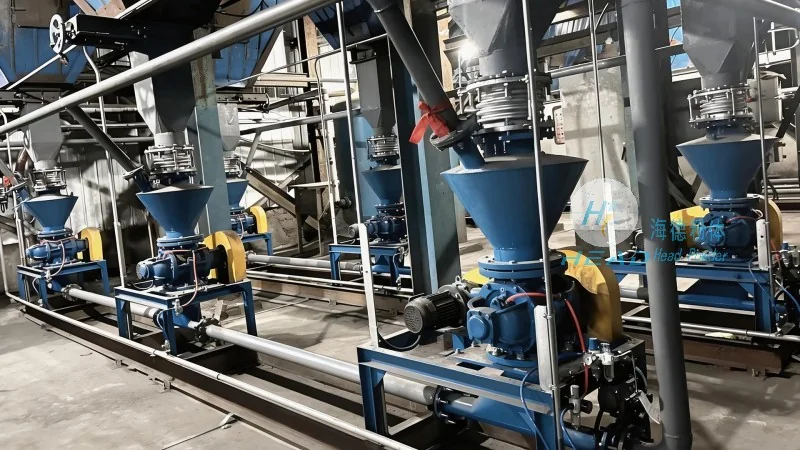
Positive pressure transport involves forcing material through a pipeline using a compressor or blower that generates pressure above atmospheric levels. This method ensures that the material is continuously pushed forward, reducing the risk of blockages and ensuring a steady flow. Conversely, negative pressure transport relies on creating a vacuum or suction to draw the material into the pipeline, with the pressure inside the pipeline being lower than the ambient air pressure.
The primary difference lies in the pressure dynamics within the transport system. Positive pressure systems maintain a pressure higher than the surrounding environment, while negative pressure systems operate under a pressure lower than ambient. This fundamental difference affects how the material is moved and the equipment required. For instance, positive pressure systems often use robust pumps and compressors, whereas negative pressure systems may employ vacuum pumps or fans.
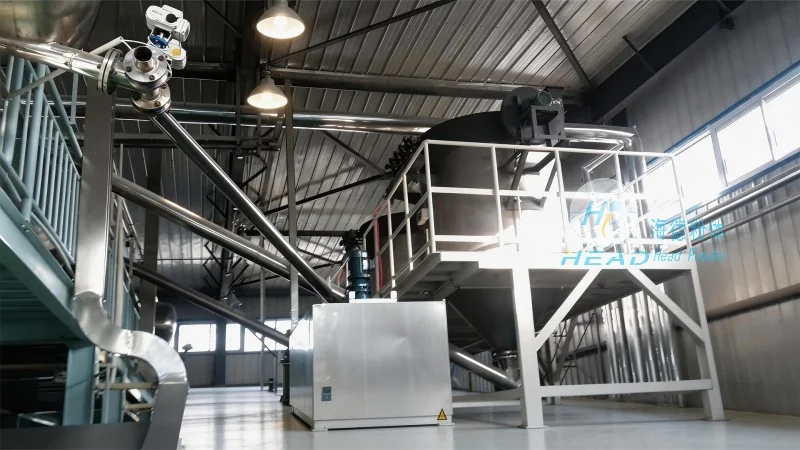
Several factors influence the selection between positive and negative pressure transport. The first is the nature of the material itself—sodium dithionite is a fine powder that can be prone to dusting and caking. Positive pressure systems can help prevent material degradation by maintaining a consistent flow and reducing exposure to air, which might cause oxidation. Negative pressure systems, on the other hand, may require additional measures to prevent dust inhalation and ensure material integrity.
Another key factor is the distance and elevation changes in the transport route. Positive pressure systems are generally more suitable for longer distances or when the destination is at a higher elevation, as they can maintain sufficient pressure to overcome gravity and friction losses. Negative pressure systems are often used for shorter distances or when the material needs to be drawn from a lower to a higher elevation, as the vacuum can help pull the material upward.
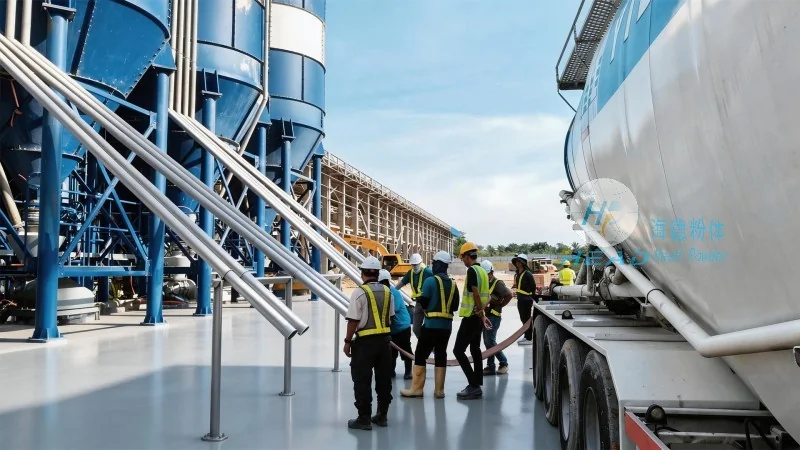
HeadPowder, a leading provider in the field, specializes in designing and manufacturing transport solutions tailored to the unique needs of sodium dithionite. With a strong presence in Shandong, China, the company leverages years of experience to deliver reliable and efficient systems. Their expertise ensures that clients receive equipment that not only meets but exceeds industry standards, focusing on safety, durability, and performance.

HeadPowder offers a range of advanced transport solutions, including positive pressure and negative pressure systems, designed specifically for sodium dithionite. These systems are engineered to handle the challenges associated with transporting this reactive chemical, such as preventing clogging and maintaining material quality. The company's products are built with high-quality materials and advanced technology to ensure long-term reliability and minimal maintenance.
Choosing between positive pressure and negative pressure transport for sodium dithionite requires a thorough evaluation of operational requirements, material characteristics, and infrastructure. By understanding the distinctions and considering key factors, industrial facilities can select the most appropriate system to ensure safe, efficient, and cost-effective transport. HeadPowder stands ready to provide expert guidance and tailored solutions to meet these needs, supporting clients in optimizing their sodium dithionite transport processes.

 Shandong Headpowder Engineering Co., Ltd.
 156-6277-7102(Manager Zhang)
  0531-83386006
  Zhangqiu District, Jinan City, Shandong Province, China
telephone
WeChatconsult
top