With more than 10‑year industry experience, Shandong Headpowder delivers full‑service pneumatic‑conveying systems and blowers, undertaking nationwide turn‑key powder‑handling projects.
When it comes to transporting corn kernels, selecting the right conveying system is crucial for efficiency, cost-effectiveness, and operational safety. Two primary methods dominate the industry: positive pressure conveying and negative pressure conveying. Understanding the distinctions between these two approaches is essential for making an informed decision that aligns with specific operational requirements. This article explores the key differences, advantages, and considerations for each method, helping you determine which is best suited for your corn kernel transport needs.
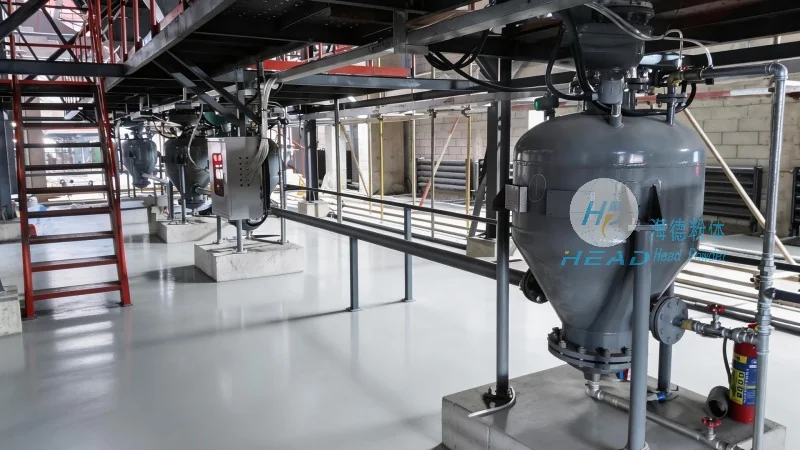
Positive pressure conveying, also known as pressure-driven or forced-air conveying, operates by blowing air or gas into a sealed system to move material. In this system, a positive pressure is maintained throughout the entire conveying line, ensuring that the material is continuously pushed forward. The system typically uses a blower or fan to generate the necessary pressure, which forces the corn kernels through the pipeline. This method is particularly effective for short to medium-distance transport and is well-suited for handling dry, free-flowing materials like corn kernels. The positive pressure helps maintain the integrity of the material, reducing the risk of breakage or degradation during transport.
One of the main benefits of positive pressure conveying is its ability to handle a wide range of materials, including those with varying moisture content and particle sizes. The consistent pressure ensures that the corn kernels move smoothly through the system, minimizing blockages and downtime. Additionally, this method is relatively simple to install and maintain, as it requires fewer components compared to negative pressure systems. The sealed system also helps prevent dust and contaminants from escaping, making it suitable for environments where air quality is a concern. For operations with limited space or where the conveying distance is short, positive pressure conveying can be a cost-effective solution.
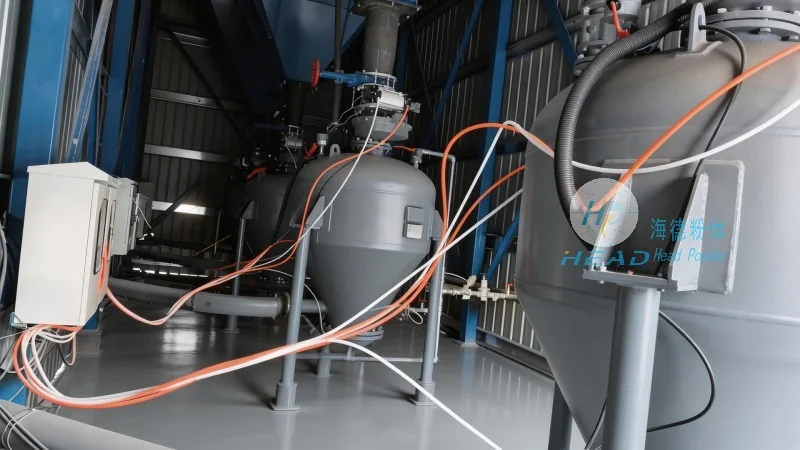
Negative pressure conveying, or vacuum conveying, works by creating a vacuum in the system to draw material into the pipeline. The system uses a vacuum pump to remove air from the conveying line, creating a pressure differential that pulls the corn kernels into the system. Unlike positive pressure, negative pressure systems rely on suction to move the material, which can be more energy-efficient for longer distances. This method is ideal for transporting materials over longer distances or in applications where the material needs to be collected from multiple points. Negative pressure conveying is particularly effective for handling fine or dusty materials, as the vacuum helps capture and transport particles without the need for additional dust control measures.
One of the significant advantages of negative pressure conveying is its energy efficiency, especially for long-distance transport. By creating a vacuum, the system requires less power to move the material compared to positive pressure systems. This can lead to lower operational costs over time, making it a more economical choice for large-scale operations. The vacuum also helps in maintaining the quality of the corn kernels by reducing the risk of oxidation or moisture loss during transport. Additionally, negative pressure systems are often more flexible in terms of layout, as they can be easily adapted to collect material from multiple sources or points. This makes them suitable for complex production lines where material needs to be transported from various locations to a central processing unit.
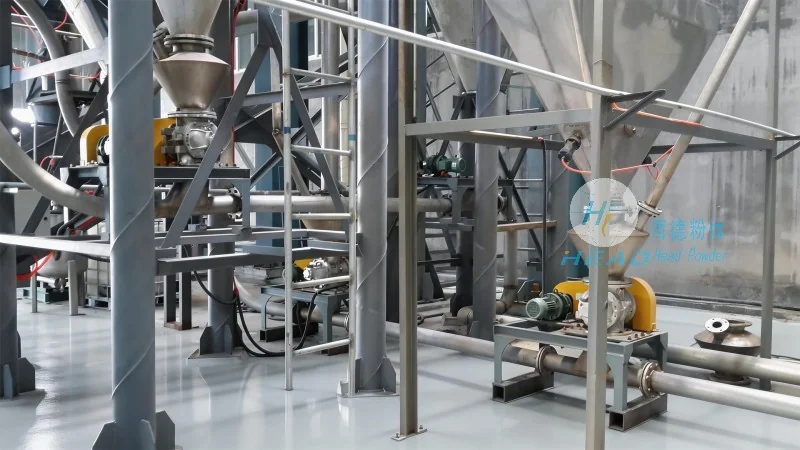
Choosing between positive and negative pressure conveying for corn kernel transport depends on several factors, including the distance of the transport, the material characteristics, and the operational constraints. Here are some key criteria to help you make the distinction:
Ultimately, the choice between positive and negative pressure conveying for corn kernel transport depends on a careful evaluation of your specific needs. Positive pressure conveying offers simplicity and effectiveness for short-distance, dry material transport, while negative pressure conveying provides energy efficiency and flexibility for longer distances or more complex material handling requirements. By understanding the characteristics of each system and considering factors such as distance, material properties, and operational costs, you can select the most suitable conveying method to ensure efficient and reliable corn kernel transport in your facility.

 Shandong Headpowder Engineering Co., Ltd.
 156-6277-7102(Manager Zhang)
  0531-83386006
  Zhangqiu District, Jinan City, Shandong Province, China
telephone
WeChatconsult
top