With more than 10‑year industry experience, Shandong Headpowder delivers full‑service pneumatic‑conveying systems and blowers, undertaking nationwide turn‑key powder‑handling projects.
When it comes to transporting cement dust, selecting the right system is crucial for efficiency, safety, and operational costs. Two primary methods dominate the industry: positive pressure and negative pressure transport systems. Understanding the differences between these two approaches is essential for making an informed decision that aligns with your specific needs. This article, brought to you by Shandong HeadPowder Engineering Co., Ltd. (headpowder), will explore the key distinctions between positive and negative pressure systems, helping you determine which option is best suited for your cement dust transport requirements.
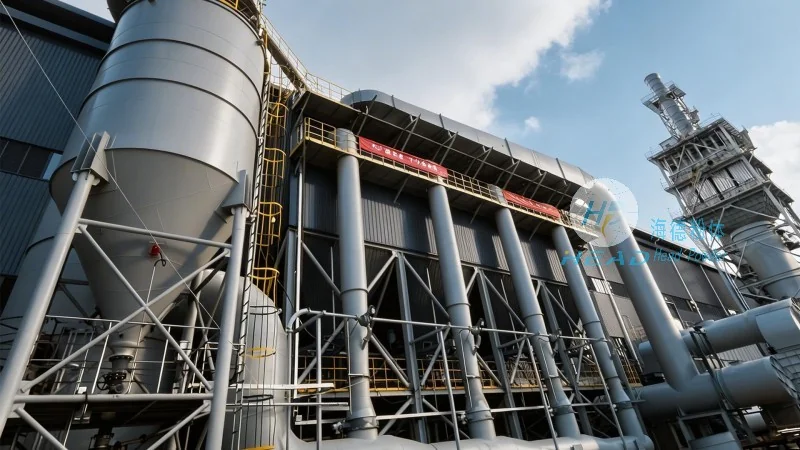
Positive pressure transport systems operate by forcing air and material through the system using a blower or fan. The air is pressurized and directed into the transport line, carrying the cement dust particles along with it. This method is often used for applications where the material needs to be moved over longer distances or through complex piping networks. The primary advantage of positive pressure systems is their ability to handle abrasive materials and prevent dust from escaping into the environment. They are also effective in preventing the ingress of external contaminants into the system. However, positive pressure systems require more energy to operate and may generate higher noise levels compared to negative pressure systems. Additionally, they can be more complex to install and maintain due to the need for robust sealing and pressure management components.
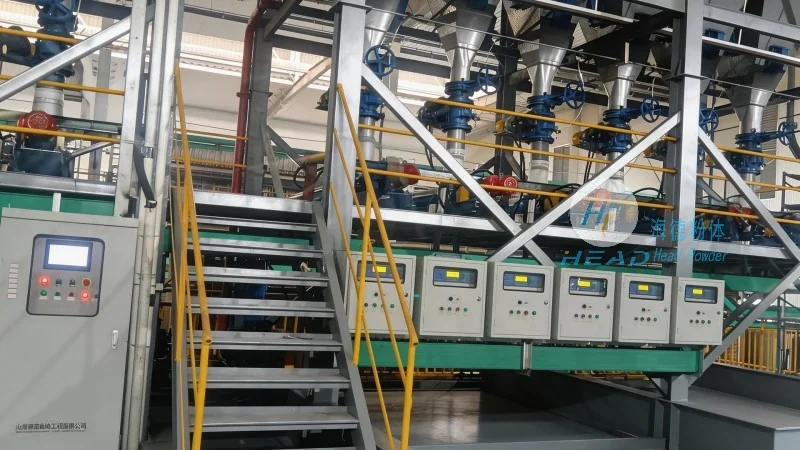
Negative pressure transport systems, also known as vacuum systems, operate by creating a vacuum in the transport line, which draws the cement dust particles into the system. The air and material are then pulled through the line by the vacuum created by a vacuum pump. This method is typically used for shorter distances or when the material needs to be collected from a source and transported to a collection point. The main advantage of negative pressure systems is their lower energy consumption and reduced noise levels compared to positive pressure systems. They are also simpler to install and maintain, as they do not require high-pressure components. However, negative pressure systems are less effective at handling abrasive materials and may be more prone to clogging due to the lower air velocity. Additionally, they can be more susceptible to external contaminants entering the system, which may affect the quality of the transported material.
Several factors should be considered when distinguishing between positive and negative pressure transport systems. The first factor is the distance and complexity of the transport line. Positive pressure systems are generally more suitable for longer distances or complex piping layouts, while negative pressure systems are better for shorter distances or simpler systems. The second factor is the material characteristics, such as abrasiveness and moisture content. Positive pressure systems are ideal for handling abrasive materials, while negative pressure systems may be more suitable for less abrasive materials. The third factor is the operational environment, including noise levels and energy consumption. Positive pressure systems are generally more suitable for industrial environments where noise is less of a concern, while negative pressure systems are better for applications where energy efficiency and low noise are priorities. The fourth factor is the system complexity and maintenance requirements. Positive pressure systems are more complex and require more maintenance, while negative pressure systems are simpler and easier to maintain.
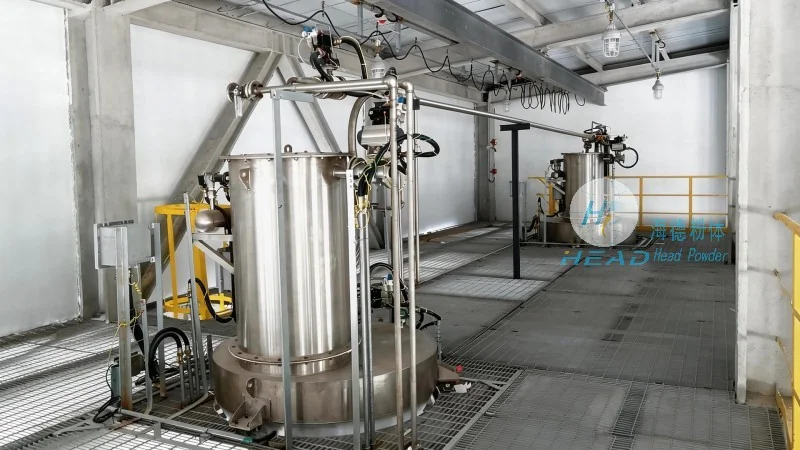
When choosing between positive and negative pressure transport systems for cement dust, several factors should be considered. The first factor is the specific application requirements, such as the distance to be covered, the complexity of the piping network, and the material characteristics. The second factor is the operational environment, including noise levels, energy consumption, and maintenance requirements. The third factor is the cost of installation and operation. Positive pressure systems may have higher initial costs due to the need for robust components, but they may have lower long-term costs due to their ability to handle abrasive materials. Negative pressure systems may have lower initial costs but may have higher long-term costs due to their susceptibility to clogging and contamination. The fourth factor is the safety considerations. Positive pressure systems are generally safer as they prevent dust from escaping into the environment, while negative pressure systems may require additional safety measures to prevent the ingress of external contaminants. Shandong HeadPowder Engineering Co., Ltd. specializes in providing customized cement dust transport solutions that cater to these diverse needs, ensuring optimal performance and reliability for your operations.

 Shandong Headpowder Engineering Co., Ltd.
 156-6277-7102(Manager Zhang)
  0531-83386006
  Zhangqiu District, Jinan City, Shandong Province, China
telephone
WeChatconsult
top