With more than 10‑year industry experience, Shandong Headpowder delivers full‑service pneumatic‑conveying systems and blowers, undertaking nationwide turn‑key powder‑handling projects.
When it comes to transporting aluminum hydroxide, selecting the right method is crucial for efficiency and safety. Two common approaches are positive pressure transport and negative pressure transport. Understanding the differences between these two systems is essential for making an informed decision. This article will explore the characteristics of each method, helping you determine which is best suited for your aluminum hydroxide handling needs.
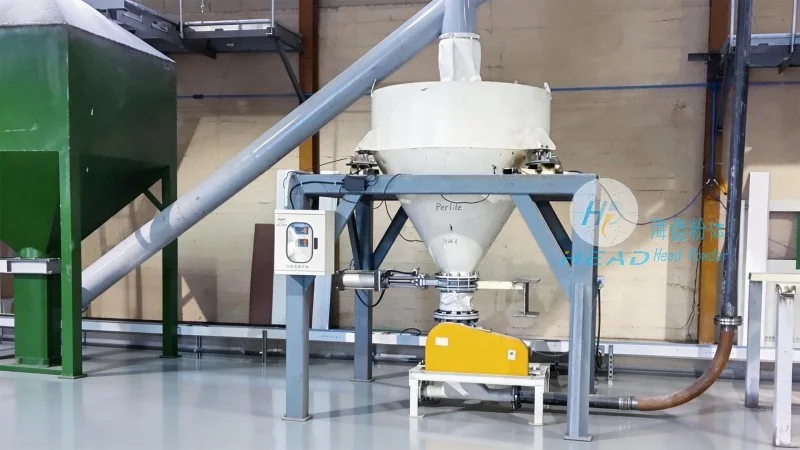
Aluminum hydroxide, a white solid with the chemical formula Al(OH)₃, is widely used in various industries, including pharmaceuticals, cosmetics, and water treatment. Its handling requires careful consideration due to its fine particle size and potential dust generation. The choice between positive pressure and negative pressure transport systems directly impacts the effectiveness of material movement, dust control, and overall operational safety.
Positive pressure transport, also known as pressure-fed transport, operates by forcing material through a system using compressed air or other gases. In this method, a positive pressure is maintained throughout the entire pipeline, ensuring that material flows continuously from the source to the destination. This approach is particularly effective for handling powders that are prone to caking or bridging, as the constant pressure helps prevent blockages.
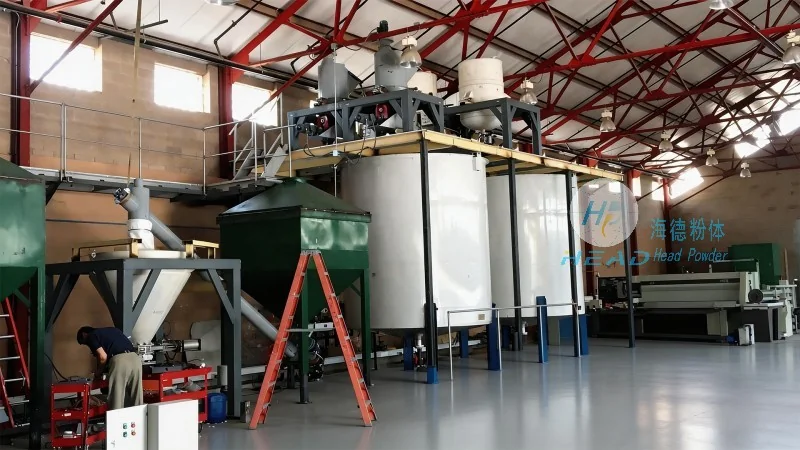
For aluminum hydroxide, positive pressure transport can be advantageous in scenarios where the material needs to be moved over long distances or through complex piping networks. The consistent pressure ensures that the material remains in suspension, reducing the risk of deposition and ensuring a steady flow rate. Additionally, this method is often preferred in environments where dust control is critical, as the sealed system prevents particles from escaping into the air.
Negative pressure transport, or suction transport, relies on creating a vacuum to draw material from the source into the system. Unlike positive pressure, this method uses a lower pressure at the inlet compared to the ambient environment, which pulls the material along the pipeline. This approach is typically used for shorter distances or when the material is less prone to caking and can be easily drawn into the system.
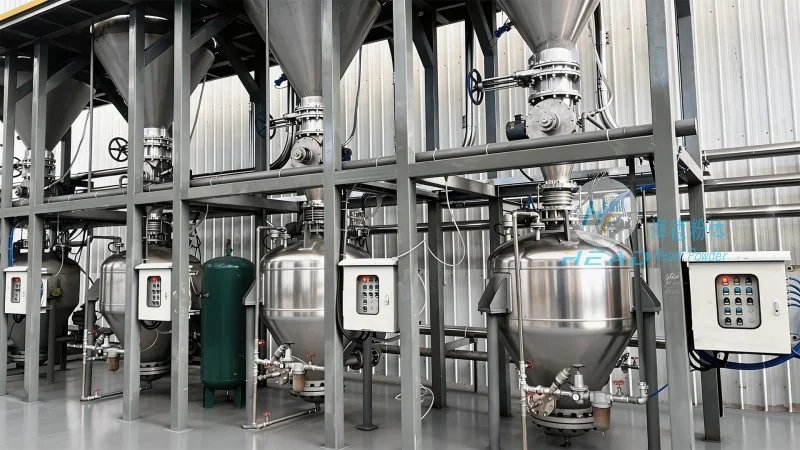
For aluminum hydroxide, negative pressure transport may be suitable for applications where the material is handled in a controlled environment with minimal risk of dust dispersion. However, it is generally less effective for long-distance transport or when dealing with highly cohesive powders, as the suction force may not be sufficient to maintain a consistent flow. Additionally, negative pressure systems are more susceptible to clogging if the material contains moisture or is prone to bridging.
Several key factors can help you distinguish between positive and negative pressure transport systems when handling aluminum hydroxide:
When deciding between positive and negative pressure transport for aluminum hydroxide, consider the specific requirements of your operation. If your process involves long-distance transport, high dust generation, or material prone to caking, positive pressure transport is likely the better choice. Conversely, if your application involves short distances, low dust risk, and less cohesive material, negative pressure transport may be appropriate.
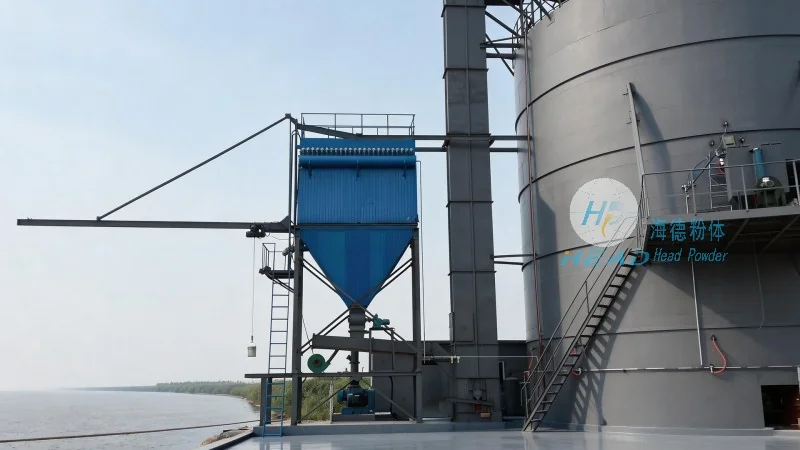
It is also important to evaluate the operational costs and maintenance requirements of each system. Positive pressure systems may require more frequent maintenance of air compressors and filters, while negative pressure systems may need more attention to prevent clogging in the suction lines.
Choosing between positive pressure and negative pressure transport for aluminum hydroxide requires a careful assessment of the material's properties, the distance of transport, and the operational environment. By understanding the characteristics of each system, you can select the most efficient and safe method for your specific needs. Whether you opt for positive or negative pressure, proper system design and maintenance are crucial to ensure reliable and safe material handling.

 Shandong Headpowder Engineering Co., Ltd.
 156-6277-7102(Manager Zhang)
  0531-83386006
  Zhangqiu District, Jinan City, Shandong Province, China
telephone
WeChatconsult
top