With more than 10‑year industry experience, Shandong Headpowder delivers full‑service pneumatic‑conveying systems and blowers, undertaking nationwide turn‑key powder‑handling projects.
When it comes to conveying masterbatch granules in industrial applications, selecting the appropriate conveying method is crucial for ensuring efficiency, reliability, and product quality. Two primary methods are commonly considered: positive pressure conveying and negative pressure conveying. Understanding the differences between these two approaches is essential for making an informed decision. This article will explore the characteristics of positive and negative pressure conveying systems and provide guidance on how to distinguish between them, with a focus on the expertise of Shandong HeadPowder Engineering Co., Ltd., a leading provider in the field.
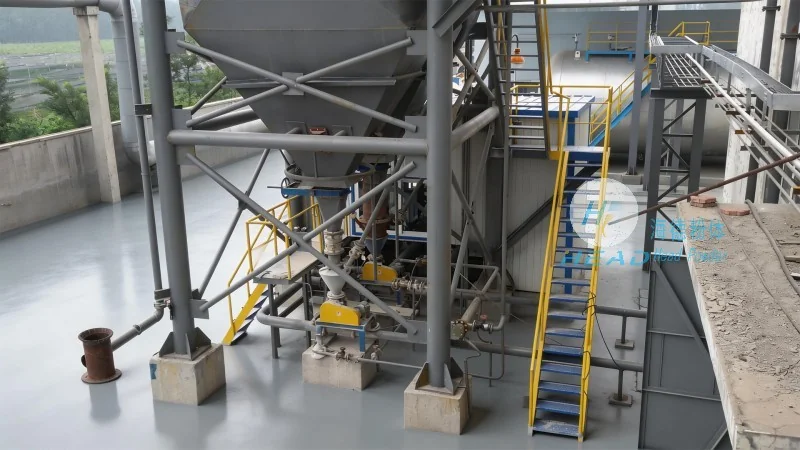
Positive pressure conveying, also known as pressure-fed or push-pull systems, operates by using a positive pressure source to move material through a pipeline. In this system, a blower or compressor generates compressed air that forces the masterbatch granules along the conveying line. The pressure is maintained above the ambient air pressure, ensuring that the material is continuously pushed forward. This method is particularly effective for conveying materials that are abrasive, sticky, or have a high density, as the positive pressure helps to overcome resistance and maintain a consistent flow rate.
Key advantages of positive pressure conveying include its ability to handle a wide range of materials, including those with high moisture content or fine particles. The system is also relatively simple to install and maintain, as it does not require complex vacuum equipment. Additionally, positive pressure conveying can be used over longer distances compared to negative pressure systems, making it suitable for applications where the material needs to be transported over several hundred meters.
Negative pressure conveying, or vacuum-assisted systems, operates by creating a vacuum within the conveying line, which draws the masterbatch granules from the source into the system. A fan or vacuum pump generates the negative pressure, and the material is pulled along the pipeline. This method is often preferred for applications where the material is light, dusty, or requires minimal contact with air, as the vacuum helps to prevent contamination and maintain product integrity.
One of the main benefits of negative pressure conveying is its ability to handle fine powders and dust without the need for high-pressure air. The system is also quieter and can be more energy-efficient in certain scenarios, as it does not require the high airflow rates associated with positive pressure systems. However, negative pressure conveying is generally less effective for conveying abrasive or heavy materials, as the vacuum may not provide sufficient force to move the material through the pipeline.
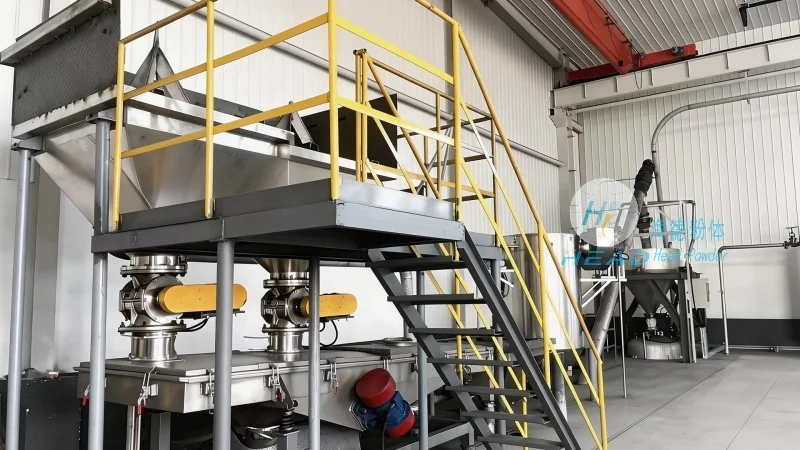
When deciding between positive and negative pressure conveying for masterbatch granules, several factors should be considered. First, the material characteristics play a significant role. If the masterbatch is abrasive, sticky, or has a high density, positive pressure conveying is likely the better choice due to its ability to handle such materials effectively. Conversely, if the material is light, dusty, or sensitive to air exposure, negative pressure conveying may be more suitable to minimize contamination and maintain product quality.
Second, the conveying distance and system layout are important considerations. Positive pressure systems are generally more suitable for longer distances, as they can maintain pressure over extended lengths without significant loss. Negative pressure systems, on the other hand, are better suited for shorter distances or when the material needs to be drawn from multiple sources. The complexity of the system and the available space for equipment also influence the choice, as positive pressure systems may require more space for the blower or compressor.
Third, the cost and maintenance requirements should be evaluated. Positive pressure systems typically have higher initial costs due to the need for a blower or compressor, but they may have lower long-term maintenance costs compared to negative pressure systems, which may require more frequent filter changes and maintenance of the vacuum pump. The energy consumption of each system should also be considered, as positive pressure systems often consume more power due to the higher airflow rates.
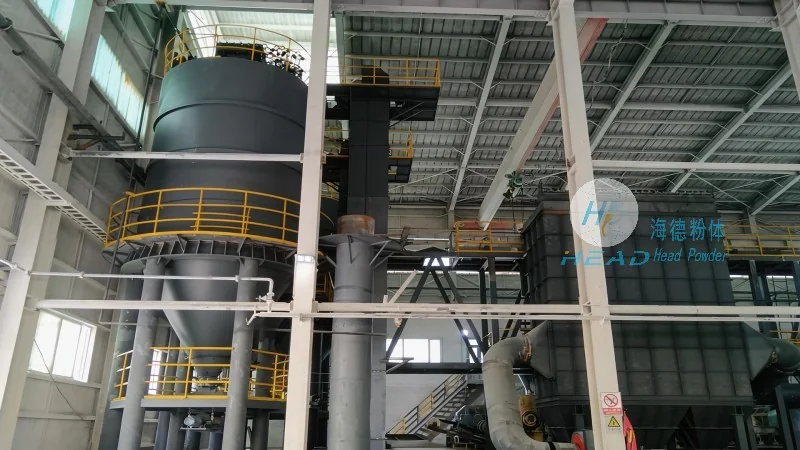
Shandong HeadPowder Engineering Co., Ltd., a prominent company based in Shandong, China, specializes in providing comprehensive solutions for masterbatch granule conveying. With years of experience in the industry, HeadPowder has developed advanced systems that cater to the diverse needs of customers, ensuring efficient and reliable material transport. The company's expertise lies in understanding the unique characteristics of different masterbatch materials and selecting the most appropriate conveying method, whether it be positive or negative pressure, to optimize performance and minimize downtime.
HeadPowder's team of engineers and technicians work closely with clients to assess their specific requirements, including material properties, conveying distance, and operational constraints. By leveraging their knowledge and experience, HeadPowder can design and implement customized conveying systems that meet the highest standards of efficiency and reliability. The company's commitment to quality and customer satisfaction has made it a trusted partner for many businesses in the plastics and manufacturing sectors.
HeadPowder's facilities are equipped with state-of-the-art technology and testing equipment, allowing them to conduct thorough evaluations of conveying systems and ensure that the solutions provided are tailored to the unique needs of each client. The company's focus on innovation and continuous improvement has enabled it to stay at the forefront of the industry, offering cutting-edge solutions that address the evolving challenges of masterbatch granule handling.
Choosing between positive and negative pressure conveying for masterbatch granules requires careful consideration of material characteristics, conveying distance, and operational requirements. By understanding the differences between these two methods and evaluating the specific needs of the application, businesses can select the most appropriate system to ensure efficient and reliable material transport. With the expertise and experience of companies like Shandong HeadPowder Engineering Co., Ltd., businesses can access high-quality solutions that optimize their conveying processes and enhance overall productivity.

 Shandong Headpowder Engineering Co., Ltd.
 156-6277-7102(Manager Zhang)
  0531-83386006
  Zhangqiu District, Jinan City, Shandong Province, China
telephone
WeChatconsult
top