With more than 10‑year industry experience, Shandong Headpowder delivers full‑service pneumatic‑conveying systems and blowers, undertaking nationwide turn‑key powder‑handling projects.
When it comes to transporting resin sand in foundries, the choice between positive pressure and negative pressure conveying systems is a critical decision that impacts efficiency, cost, and operational safety. Understanding the fundamental differences between these two methods is essential for selecting the most suitable solution for your specific production requirements. This article will explore the key characteristics of both positive and negative pressure systems, helping you make an informed choice based on your operational needs.
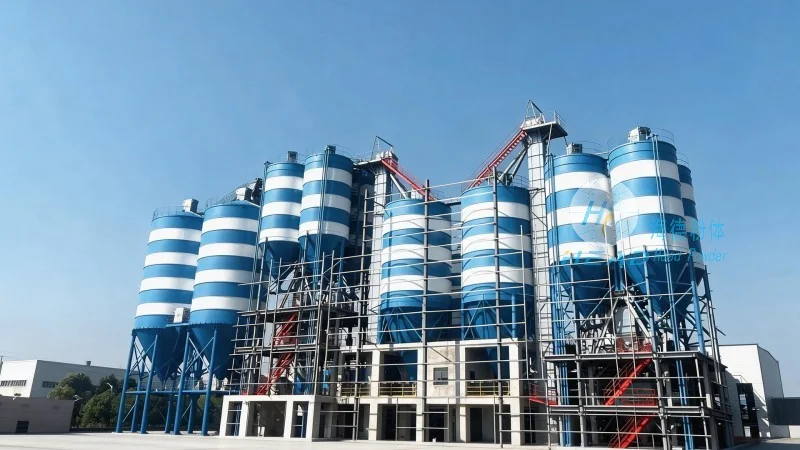
Positive pressure conveying systems operate by forcing air or a carrier gas through the conveying line, carrying the resin sand particles forward. This method typically uses a blower or a positive displacement pump to generate the necessary pressure. The primary advantage of positive pressure systems is their ability to handle abrasive materials like resin sand effectively, as the high-pressure air helps to maintain particle integrity and prevent clogging. Additionally, positive pressure systems are generally more suitable for long-distance conveying and can handle higher material loads compared to negative pressure systems. However, they may require more robust equipment and higher energy consumption due to the constant pressure generation.
Positive pressure systems are characterized by their direct and forceful material transport. The air flow is directed into the conveying line, creating a positive pressure environment that pushes the resin sand particles along the pipeline. This method is particularly effective for applications where the conveying distance is significant or where the material needs to be delivered to multiple points. The equipment used in positive pressure systems, such as high-pressure blowers and robust pipelines, is designed to withstand the pressure and abrasive nature of resin sand, ensuring long-term reliability. Moreover, positive pressure conveying can be integrated with dust collection systems, allowing for efficient material handling while maintaining air quality standards.
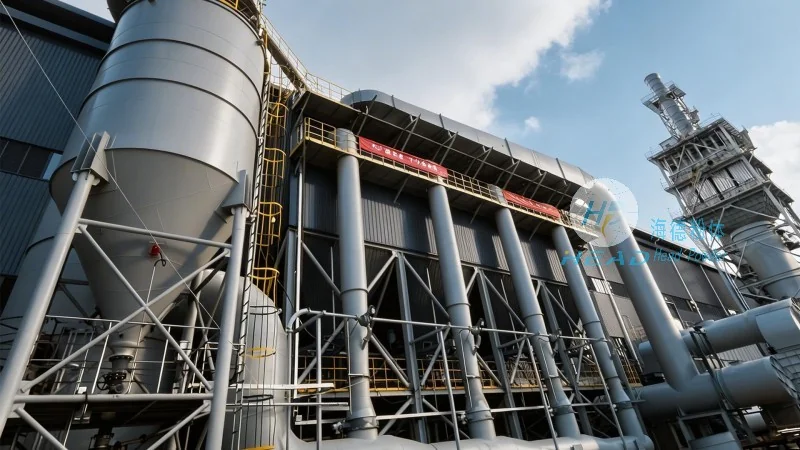
Negative pressure conveying, also known as suction or vacuum conveying, operates by creating a vacuum in the conveying line, drawing the resin sand particles into the system. This method uses a vacuum pump to remove air from the line, creating a pressure differential that pulls the material forward. The main advantage of negative pressure systems is their lower energy consumption compared to positive pressure systems, as they do not require high-pressure air generation. Additionally, negative pressure systems are often more compact and can be installed in tighter spaces, making them suitable for applications with limited floor space. However, they may have limitations in conveying long distances or handling highly abrasive materials, as the vacuum may not be sufficient to maintain particle integrity over extended periods.
Negative pressure systems rely on the creation of a vacuum to draw resin sand particles into the conveying line. The vacuum pump creates a pressure differential, pulling the material from the source to the destination. This method is particularly effective for short to medium-distance conveying and for handling materials that are less abrasive. The equipment used in negative pressure systems, such as vacuum pumps and flexible hoses, is generally more lightweight and easier to install compared to positive pressure systems. However, negative pressure conveying may require more frequent maintenance due to the potential for clogging in the vacuum line, especially when dealing with fine or sticky resin sand particles. Additionally, the system may need to be equipped with filters to prevent dust from entering the vacuum pump, ensuring long-term operational efficiency.
When deciding between positive and negative pressure conveying systems for resin sand, several factors should be considered. First, the conveying distance is a critical factor: positive pressure systems are better suited for long distances, while negative pressure systems are more appropriate for shorter distances. Second, the material characteristics, such as particle size, abrasiveness, and moisture content, play a significant role. Positive pressure systems are ideal for abrasive materials like resin sand, as the high-pressure air helps to maintain particle integrity. In contrast, negative pressure systems may be more suitable for less abrasive materials or when space constraints are a concern. Third, energy consumption and operational costs should be evaluated: positive pressure systems typically consume more energy due to the need for high-pressure air generation, whereas negative pressure systems are more energy-efficient. Finally, the overall system complexity and maintenance requirements should be considered, as positive pressure systems may require more robust equipment and regular maintenance to ensure reliable operation.

For foundries using resin sand, selecting the appropriate conveying system is essential for optimizing production efficiency and reducing operational costs. By understanding the differences between positive and negative pressure systems, you can make an informed decision that aligns with your specific production needs. Positive pressure systems are generally recommended for applications requiring long-distance conveying or handling highly abrasive materials, while negative pressure systems are suitable for shorter distances and less abrasive materials. It is also important to consider the overall system integration and maintenance requirements, as these factors can impact the long-term performance and reliability of the conveying system.
Shandong HeadPowder Engineering Co., Ltd., commonly known as HeadPowder, is a leading manufacturer and supplier of advanced resin sand conveying systems. With years of experience in the foundry industry, HeadPowder specializes in providing customized solutions tailored to the unique needs of each client. Our team of experts works closely with customers to understand their operational requirements and recommend the most suitable positive or negative pressure conveying system. We offer a wide range of equipment, including high-pressure blowers, vacuum pumps, and robust pipelines, designed to handle the demanding conditions of resin sand transport. HeadPowder is committed to delivering high-quality, reliable products that enhance operational efficiency and reduce maintenance costs. With our headquarters in Shandong, China, we serve clients worldwide, providing comprehensive support and after-sales service to ensure long-term satisfaction. Whether you need a new system installation or maintenance services, HeadPowder is your trusted partner for all your resin sand conveying needs.

 Shandong Headpowder Engineering Co., Ltd.
 156-6277-7102(Manager Zhang)
  0531-83386006
  Zhangqiu District, Jinan City, Shandong Province, China
telephone
WeChatconsult
top