With more than 10‑year industry experience, Shandong Headpowder delivers full‑service pneumatic‑conveying systems and blowers, undertaking nationwide turn‑key powder‑handling projects.
When it comes to transporting biological enzymes, selecting the appropriate pressure system is crucial for maintaining enzyme activity and ensuring efficient processing. The two primary methods are positive pressure and negative pressure transport. Understanding the differences between these approaches is essential for optimizing the performance of enzyme transport processes in industrial applications. As a leading provider of engineering solutions, Shandong HeadPowder Engineering Co., Ltd. specializes in designing and manufacturing systems tailored to the unique needs of biological enzyme transport, ensuring that each system is optimized for maximum efficiency and enzyme preservation.
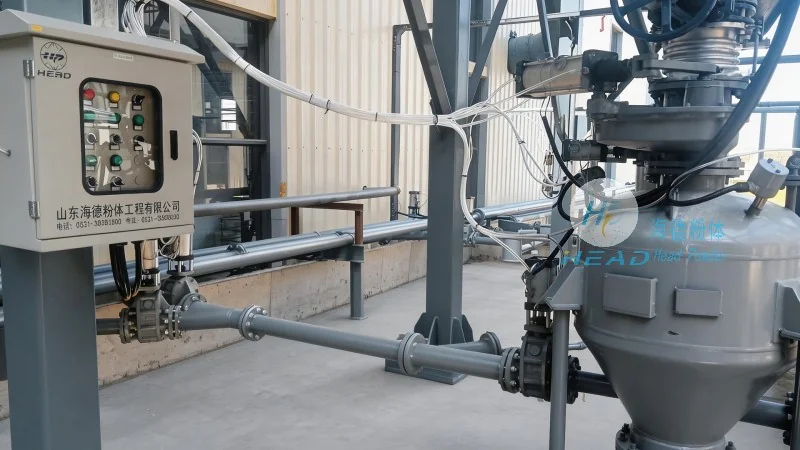
Positive pressure transport involves using a pump or compressor to push the enzyme solution through the system. This method is often preferred for applications where the enzyme solution needs to be moved against gravity or through long pipelines. The pressure applied helps maintain the integrity of the enzyme molecules, preventing degradation or denaturation during transport. For instance, in biopharmaceutical manufacturing, positive pressure systems are commonly used to transport enzymes from reactors to downstream processing units. The consistent pressure ensures that the enzyme solution remains stable and retains its catalytic activity throughout the transfer process.
Positive pressure transport offers several advantages for biological enzyme handling. Firstly, it provides reliable and continuous flow, which is critical for maintaining the activity of sensitive enzymes. The controlled pressure also helps prevent air bubbles from entering the system, which can otherwise affect enzyme performance. Additionally, positive pressure systems are suitable for transporting viscous enzyme solutions, as the pressure can overcome the resistance caused by the high viscosity. This makes them ideal for applications involving enzymes with high molecular weight or complex structures. Furthermore, these systems are generally easy to maintain and operate, with clear pressure indicators and control mechanisms that allow operators to monitor and adjust the pressure as needed.
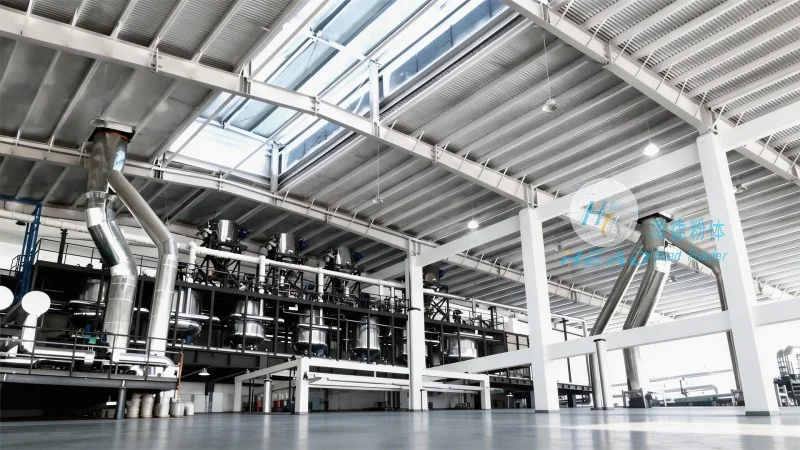
Negative pressure transport, on the other hand, relies on creating a vacuum or suction to draw the enzyme solution through the system. This method is typically used when the enzyme solution needs to be moved from a higher elevation to a lower one, or when the pipeline is short and the solution is less viscous. The vacuum created helps in drawing the liquid without the need for external pumps, making it a cost-effective option for certain applications. However, negative pressure systems may be less suitable for transporting highly viscous or sensitive enzymes, as the suction force can cause shear stress that might damage the enzyme molecules. In some cases, negative pressure transport is used in combination with positive pressure to create a balanced system, where the pressure is adjusted based on the specific requirements of the enzyme being transported.
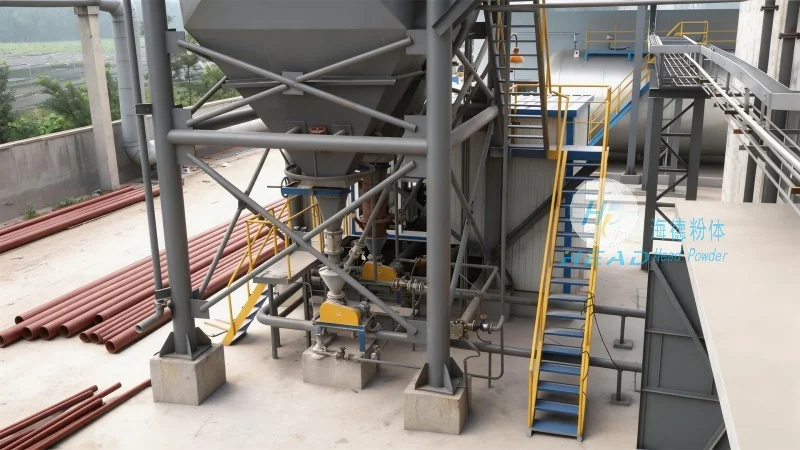
When deciding between positive and negative pressure for biological enzyme transport, several factors need to be considered. The first is the physical properties of the enzyme solution, such as its viscosity, density, and pH. Enzymes with high viscosity or low density may require positive pressure to ensure proper flow. The second factor is the distance and elevation changes in the transport pipeline. If the pipeline involves significant elevation changes or long distances, positive pressure is often more effective. The third consideration is the sensitivity of the enzyme to shear stress or pressure changes. Sensitive enzymes may benefit from negative pressure systems to minimize mechanical stress. Additionally, the cost and maintenance requirements of the system should be evaluated. Positive pressure systems may have higher initial costs due to the need for pumps and compressors, but they offer greater control and reliability. Negative pressure systems, while cheaper, may require more frequent maintenance to prevent leaks or vacuum failures.
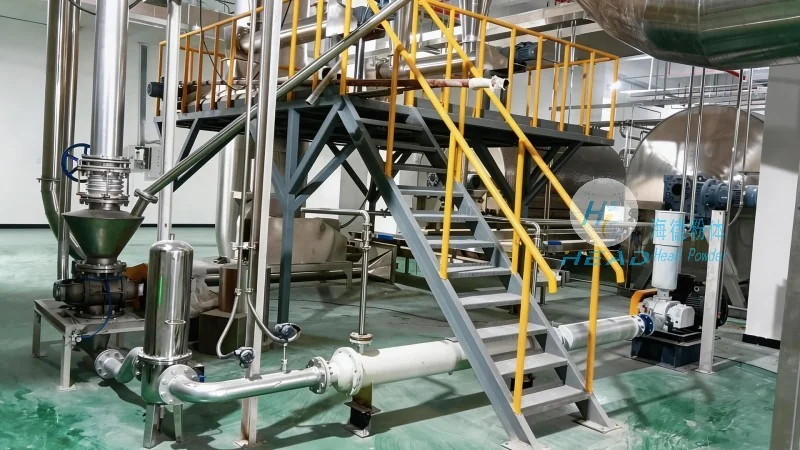
Positive pressure transport is widely used in the food and beverage industry for transporting enzymes used in fermentation processes. For example, in the production of enzymes for cheese making, positive pressure systems are used to move the enzyme solution from storage tanks to the fermentation tanks. The consistent pressure ensures that the enzyme activity is maintained, leading to better product quality. In the pharmaceutical industry, positive pressure systems are employed in the production of biopharmaceuticals, where enzymes are used as catalysts in the synthesis of active ingredients. The controlled pressure helps in preserving the enzyme's catalytic activity, which is crucial for the final product's efficacy. Negative pressure transport, on the other hand, is commonly used in laboratory settings for small-scale enzyme experiments. In these cases, the enzyme solution is drawn through a short pipeline using a vacuum pump, allowing for precise control over the flow rate and pressure. This method is ideal for research applications where the enzyme's activity needs to be carefully monitored and adjusted.
Choosing between positive and negative pressure for biological enzyme transport requires a careful evaluation of the specific application requirements. Positive pressure systems offer reliability and control, making them suitable for industrial-scale operations involving sensitive enzymes. Negative pressure systems, while cost-effective for certain applications, may not be suitable for all enzyme types due to their limitations in handling viscous or high-shear solutions. By understanding the advantages and limitations of each system, manufacturers can select the most appropriate transport method to ensure the integrity and activity of their biological enzymes. Ultimately, the goal is to maintain the enzyme's functionality throughout the transport process, which is critical for achieving optimal performance in downstream applications. Shandong HeadPowder Engineering Co., Ltd. continues to innovate in this field, providing tailored solutions that meet the diverse needs of clients across various industries, with operations based in Shandong, China.

 Shandong Headpowder Engineering Co., Ltd.
 156-6277-7102(Manager Zhang)
  0531-83386006
  Zhangqiu District, Jinan City, Shandong Province, China
telephone
WeChatconsult
top