With more than 10‑year industry experience, Shandong Headpowder delivers full‑service pneumatic‑conveying systems and blowers, undertaking nationwide turn‑key powder‑handling projects.
When it comes to transporting coal gangue lime, selecting the right system is crucial for efficiency, safety, and cost-effectiveness. Two primary methods are widely used: positive pressure transport and negative pressure transport. Understanding the differences between these two approaches is essential for making an informed decision. This article will explore the key factors to consider when choosing between positive and negative pressure systems for coal gangue lime transport, helping you determine which option best suits your operational needs. The information provided is based on the expertise of Shandong HeadPowder Engineering Co., Ltd., a leading provider of industrial transport solutions.
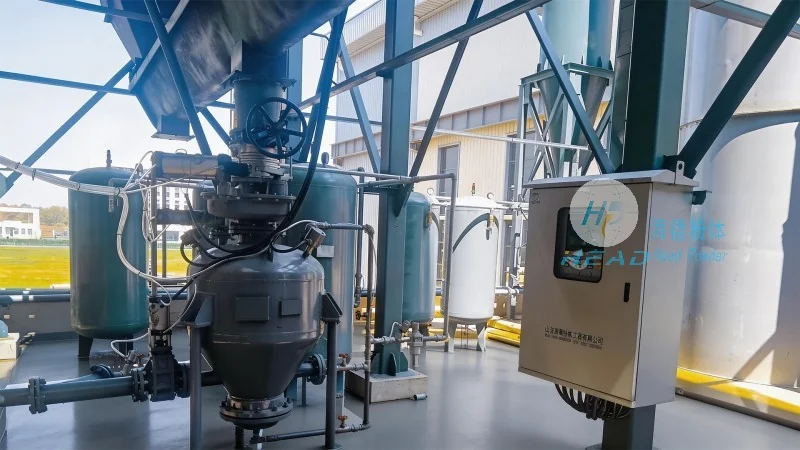
Shandong HeadPowder Engineering Co., Ltd. is a professional manufacturer and supplier specializing in industrial transport systems, including positive and negative pressure transport solutions for various materials. With years of experience in the industry, HeadPowder provides high-quality equipment and technical support to meet the diverse needs of clients. The company is committed to delivering reliable and efficient transport solutions that enhance operational performance and ensure compliance with environmental regulations. HeadPowder's headquarters is located in Shandong, China, and serves clients worldwide with customized solutions tailored to their specific requirements.
Coal gangue lime, also known as coal ash or fly ash, is a byproduct of coal combustion. It is often used in construction materials, soil stabilization, and other industrial applications. The transport of this material requires specialized equipment and systems to ensure safe and efficient movement. The choice between positive and negative pressure transport depends on several factors, including the material's properties, the distance to be covered, and the environmental regulations in place.
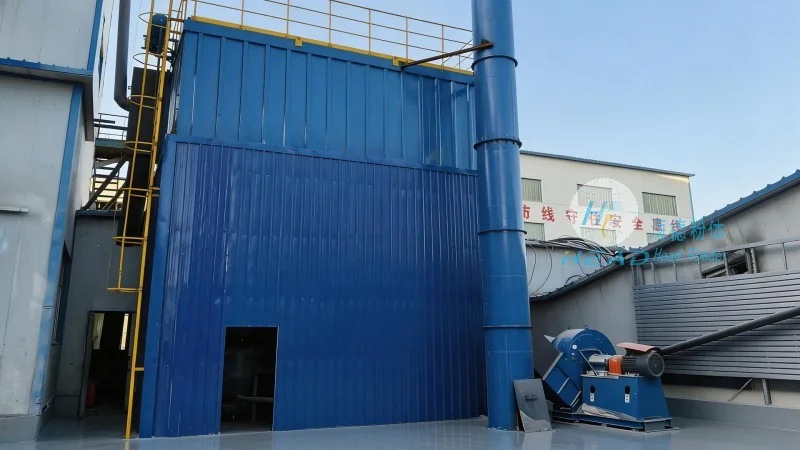
Positive pressure transport systems operate by blowing air or gas into the transport line, creating a pressure higher than the surrounding atmosphere. This method pushes the material forward through the pipeline. The primary advantage of positive pressure systems is their ability to handle a wide range of materials, including those with high moisture content or abrasive properties. They are also effective in preventing dust emissions and maintaining a controlled environment within the pipeline. However, positive pressure systems require more energy to operate and may be more expensive to install and maintain. Additionally, they can be less efficient for long-distance transport due to the energy losses associated with maintaining high pressure.
Negative pressure transport systems, on the other hand, create a vacuum or low-pressure environment within the pipeline, drawing the material into the system. This method is often referred to as suction or vacuum transport. The main benefit of negative pressure systems is their lower energy consumption compared to positive pressure systems, making them more cost-effective for long-distance transport. They are also less likely to cause dust contamination in the surrounding environment. However, negative pressure systems may not be suitable for materials with high moisture content or those that are prone to clogging, as the suction force may not be sufficient to move the material effectively. Additionally, they can be more challenging to maintain and may require more frequent cleaning to prevent blockages.
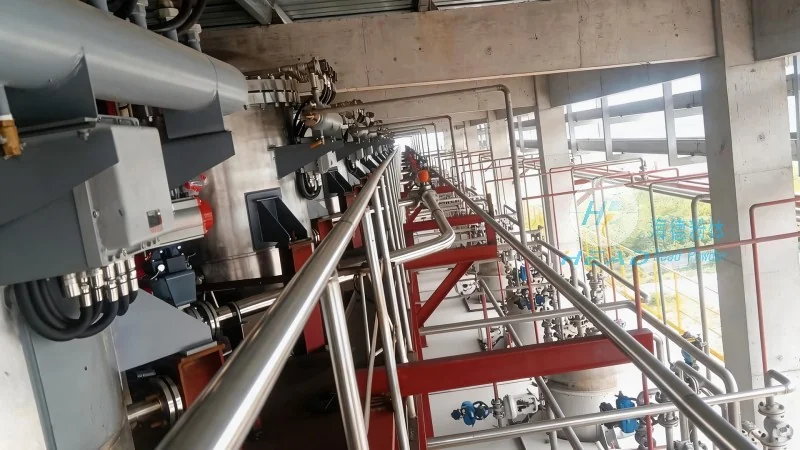
When deciding between positive and negative pressure transport for coal gangue lime, several key factors should be evaluated. First, consider the material's characteristics, such as its particle size, moisture content, and abrasiveness. Materials with high moisture content or fine particles may require a positive pressure system to ensure proper flow. Second, assess the distance and elevation changes involved in the transport. Positive pressure systems are generally better suited for short to medium distances, while negative pressure systems are more efficient for long-distance transport over varying terrain. Third, evaluate the environmental regulations and safety requirements in your area. Positive pressure systems are often preferred in areas with strict dust control regulations, as they can effectively contain emissions. Fourth, consider the available budget and operational costs. Positive pressure systems may have higher initial costs and energy consumption, while negative pressure systems may have lower energy costs but higher maintenance requirements.
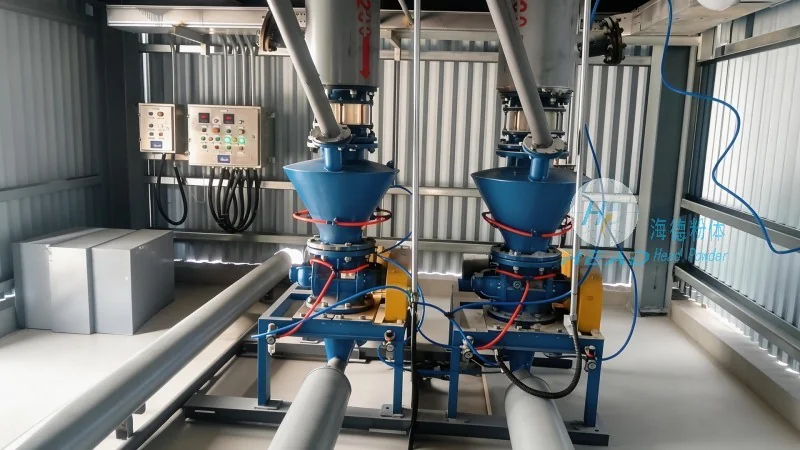
There are several ways to distinguish between positive and negative pressure transport systems. First, observe the pressure readings within the pipeline. Positive pressure systems will show higher pressure readings than the surrounding atmosphere, while negative pressure systems will show lower pressure readings. Second, check the direction of material flow. In positive pressure systems, the material is pushed forward by the pressure, while in negative pressure systems, the material is drawn into the system by the vacuum. Third, examine the equipment used. Positive pressure systems typically use blowers or compressors to generate the pressure, while negative pressure systems use vacuum pumps or fans to create the suction. Fourth, consider the impact on the surrounding environment. Positive pressure systems are more likely to contain dust emissions, while negative pressure systems may require additional dust control measures.
Choosing between positive and negative pressure transport for coal gangue lime transport requires careful consideration of several factors. Positive pressure systems offer advantages in terms of material handling and dust control but may be more expensive and energy-intensive. Negative pressure systems are more cost-effective for long-distance transport but may be less suitable for certain materials and require more maintenance. By evaluating the material properties, transport distance, environmental regulations, and operational costs, you can make an informed decision that best meets your needs. Ultimately, the right choice depends on the specific requirements of your operation and the priorities you place on efficiency, safety, and cost-effectiveness.

 Shandong Headpowder Engineering Co., Ltd.
 156-6277-7102(Manager Zhang)
  0531-83386006
  Zhangqiu District, Jinan City, Shandong Province, China
telephone
WeChatconsult
top