With more than 10‑year industry experience, Shandong Headpowder delivers full‑service pneumatic‑conveying systems and blowers, undertaking nationwide turn‑key powder‑handling projects.
Calcium hydroxide, commonly known as slaked lime, is a widely used chemical in various industrial applications. The efficient and safe transportation of this material from production sites to processing or storage facilities is crucial for maintaining operational efficiency. A pneumatic conveying system offers a reliable solution for handling calcium hydroxide, ensuring minimal dust generation and reduced risk of material degradation during transport. This article explores the fundamental aspects of a calcium hydroxide pneumatic conveying system, including its design principles and key components.
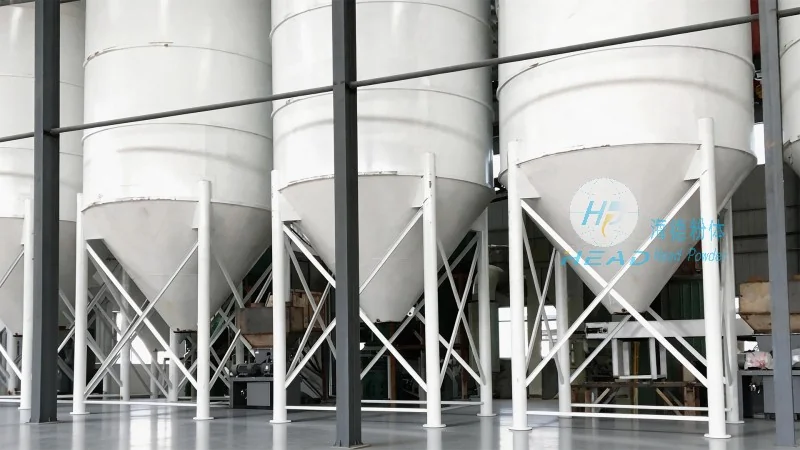
Pneumatic conveying systems utilize air or gas to transport bulk materials through a pipeline network. Unlike mechanical conveyors, which rely on physical components like belts or screws, pneumatic systems use pressure differentials to move material. For calcium hydroxide, which can be abrasive and potentially corrosive, selecting the right type of pneumatic system is essential. The two primary categories of pneumatic conveying are pressure and vacuum systems. Pressure systems operate by forcing air or gas into the material, while vacuum systems create a negative pressure to draw material into the pipeline.
The design of a calcium hydroxide pneumatic conveying system must consider several critical factors to ensure optimal performance and longevity. First, the system must be capable of handling the specific physical properties of calcium hydroxide, such as its particle size distribution, moisture content, and flowability. The system's design should minimize material degradation, which can occur due to friction, impact, or excessive air velocity. Additionally, the system must comply with safety regulations, particularly regarding dust explosion prevention and material containment.
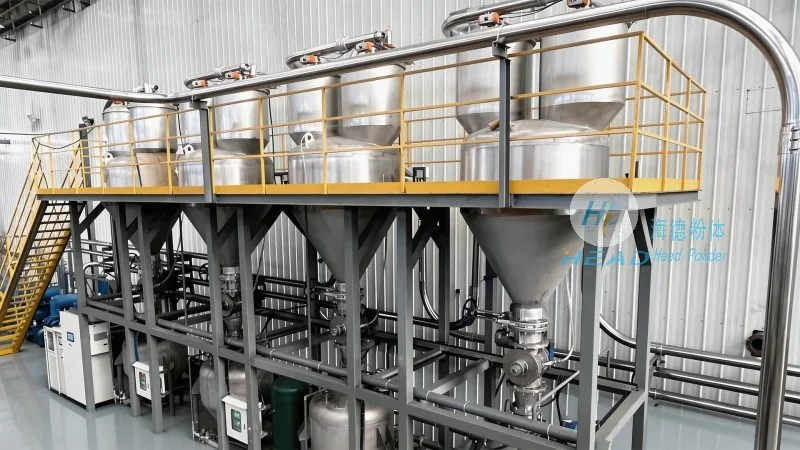
A typical calcium hydroxide pneumatic conveying system consists of several key components, each playing a vital role in the overall operation. The feed hopper is responsible for storing and feeding the material into the system. It must be designed to handle the material's bulk density and prevent clogging. The conveyor line, which can be made of stainless steel or other corrosion-resistant materials, transports the material through the system. The air compressor or vacuum pump provides the necessary pressure or suction to move the material. The control system monitors and regulates the flow of material and air, ensuring consistent operation. Finally, the discharge hopper collects the material at the end of the conveyor line.

Implementing a pneumatic conveying system for calcium hydroxide offers several advantages over traditional methods. One of the most significant benefits is the reduction in dust exposure for operators, as the material is contained within the pipeline. This improves workplace safety and reduces the risk of respiratory issues. Additionally, pneumatic systems can transport calcium hydroxide over longer distances with minimal loss of material, enhancing operational efficiency. The systems are also relatively easy to install and maintain, with fewer moving parts compared to mechanical conveyors. Furthermore, they can be integrated with other processing equipment, such as mixers or reactors, to streamline production processes.
When selecting a calcium hydroxide pneumatic conveying system, several factors must be considered to ensure the best fit for a specific application. The first consideration is the distance and layout of the conveyor line, as this will determine the required air pressure or vacuum level. The material's properties, including particle size and moisture content, will also influence the system's design. For example, finer particles may require higher air velocities to prevent blockages. The system's capacity and throughput must match the production requirements to avoid bottlenecks. Additionally, the system must be installed in compliance with local regulations regarding material handling and safety. Proper maintenance, including regular cleaning and inspection of components, is essential to ensure the system operates efficiently and safely over its lifespan.

 Shandong Headpowder Engineering Co., Ltd.
 156-6277-7102(Manager Zhang)
  0531-83386006
  Zhangqiu District, Jinan City, Shandong Province, China
telephone
WeChatconsult
top