With more than 10‑year industry experience, Shandong Headpowder delivers full‑service pneumatic‑conveying systems and blowers, undertaking nationwide turn‑key powder‑handling projects.
When it comes to transporting wheat flour, selecting the right conveying system is crucial for efficiency, cost-effectiveness, and product integrity. Two primary methods are widely used: positive pressure and negative pressure conveying. Understanding the differences between these systems is essential for making an informed decision that aligns with operational needs. This article explores the key aspects of both positive and negative pressure systems, helping you distinguish between them and choose the most suitable option for your wheat flour handling requirements.
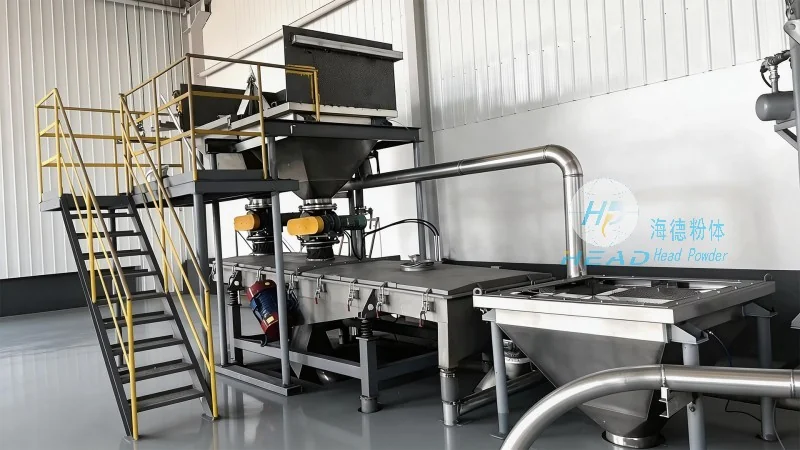
Positive pressure conveying systems operate by blowing air or gas into the conveying line, creating a pressure higher than the ambient air pressure. This method pushes the wheat flour forward through the pipeline. The primary advantage of positive pressure systems is their ability to handle a wide range of materials, including fine powders like wheat flour, without clogging. They are particularly effective in applications where the material needs to be transported over long distances or through complex layouts. The system typically uses fans or blowers to generate the necessary pressure, ensuring consistent flow rates. However, one of the main drawbacks is the potential for dust and flour to escape from the system, which can lead to environmental and health concerns. Additionally, positive pressure systems may require more maintenance due to the higher stress on components from the increased pressure.
Negative pressure conveying, also known as vacuum conveying, works by creating a vacuum in the conveying line, which draws the wheat flour into the system. The air and flour mixture is then transported to the destination, where the mixture is separated and the air is released. This method is often preferred for applications where the material needs to be collected from multiple points or where the environment needs to be kept clean. Negative pressure systems are generally more effective at controlling dust and preventing product contamination compared to positive pressure systems. They are also quieter and can be more energy-efficient for shorter distances. However, negative pressure systems may struggle with very fine or cohesive powders, as the vacuum can cause the material to stick to the walls of the pipeline, leading to clogging. The system also requires careful maintenance to ensure the vacuum pump operates efficiently and the filters are clean to prevent blockages.
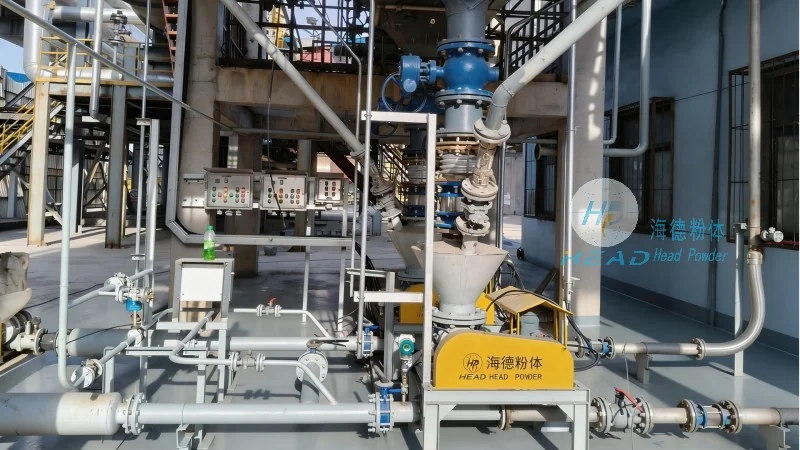
Several factors can help in distinguishing between positive and negative pressure conveying systems. First, consider the distance and layout of the conveying path. Positive pressure systems are better suited for long-distance or complex layouts due to their ability to maintain pressure over longer runs. Negative pressure systems are more suitable for shorter distances or when the material needs to be collected from multiple sources. Second, evaluate the material properties. Positive pressure systems are ideal for fine, non-cohesive powders like wheat flour, while negative pressure systems may require additional measures for cohesive or sticky materials. Third, assess the environmental and health requirements. Negative pressure systems are preferable when dust control and product purity are critical, as they minimize the risk of flour escaping into the environment. Fourth, consider the energy consumption and maintenance needs. Positive pressure systems may consume more energy due to the higher pressure requirements, while negative pressure systems can be more energy-efficient for shorter distances but may need more frequent filter changes. Finally, check the system's noise level and operational flexibility. Negative pressure systems are generally quieter, which can be advantageous in noise-sensitive environments, whereas positive pressure systems may be louder but offer more flexibility in material handling.
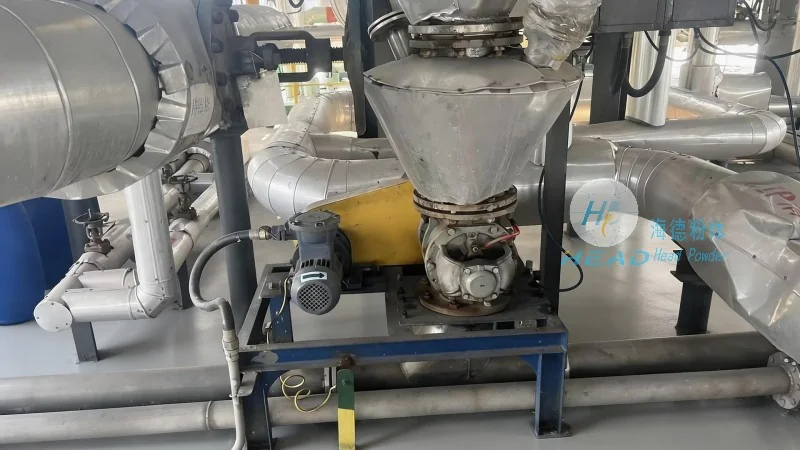
When deciding between positive and negative pressure conveying for wheat flour, it is essential to evaluate your specific operational needs. For instance, if your facility requires transporting wheat flour over long distances or through a complex network of pipes, a positive pressure system might be the better choice due to its ability to maintain consistent flow rates and handle the material effectively. On the other hand, if your operation involves collecting flour from multiple points or needs to minimize dust and maintain product purity, a negative pressure system could be more suitable. It is also important to consider the cost implications, including initial investment, operational costs, and maintenance requirements. Positive pressure systems may have higher upfront costs due to the need for robust fans and blowers, but they can be more cost-effective in the long run for large-scale operations. Negative pressure systems may have lower initial costs but could incur higher maintenance expenses due to the need for regular filter changes and vacuum pump upkeep. Ultimately, the choice between positive and negative pressure conveying systems depends on a combination of technical, environmental, and economic factors. By carefully analyzing these aspects, you can select the system that best meets your wheat flour conveying requirements and ensures optimal performance and efficiency.
Both positive and negative pressure conveying systems have their unique advantages and limitations when it comes to wheat flour transportation. Positive pressure systems offer robustness and efficiency for long-distance and complex layouts, while negative pressure systems excel in dust control and material purity for shorter distances or multiple collection points. To make the right choice, it is crucial to assess your operational needs, material properties, environmental requirements, and cost considerations. Consulting with experts from companies like Shandong HeadPowder Engineering Co., Ltd. can provide valuable insights and help tailor a conveying system that meets your specific requirements. Whether you opt for a positive or negative pressure system, investing in the right conveying technology will enhance the efficiency and reliability of your wheat flour handling operations, ensuring consistent quality and minimizing operational challenges.

 Shandong Headpowder Engineering Co., Ltd.
 156-6277-7102(Manager Zhang)
  0531-83386006
  Zhangqiu District, Jinan City, Shandong Province, China
telephone
WeChatconsult
top