With more than 10‑year industry experience, Shandong Headpowder delivers full‑service pneumatic‑conveying systems and blowers, undertaking nationwide turn‑key powder‑handling projects.
Foamed plastic pneumatic conveying is a specialized method used in material handling and processing industries to transport lightweight, low-density materials efficiently. This technology leverages the principles of pneumatic conveying, where materials are moved through a pipeline using a gas stream, typically air or other gases. The use of foamed plastic as the material being conveyed introduces unique challenges and advantages compared to traditional solid or granular materials. Understanding the design principles behind this system is crucial for optimizing performance, ensuring reliability, and maximizing efficiency in industrial applications.
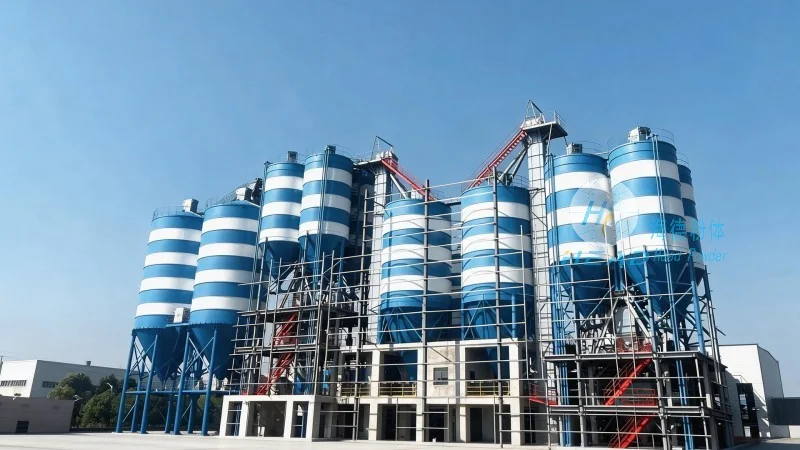
At the core of any foamed plastic pneumatic conveying system are several critical components that work in tandem to facilitate material transport. The primary components include the material hopper, which holds the foamed plastic and provides a controlled feed; the conveying line, which is typically a flexible or rigid pipe designed to withstand the pressure and flow of the gas and material mixture; the air compressor or blower, which generates the necessary airflow to move the material; and the control system, which regulates the pressure, flow rate, and other parameters to maintain optimal operation. Each component must be carefully selected and integrated to ensure the system operates effectively and safely.
The design of a foamed plastic pneumatic conveying system follows several key principles aimed at maximizing efficiency and minimizing operational issues. One of the most important principles is maintaining a consistent and controlled airflow. This involves selecting an appropriate air compressor with sufficient capacity to handle the material's specific characteristics, such as its density and flowability. The system must also be designed to prevent blockages or clogs, which are common in pneumatic conveying systems, especially with lightweight materials like foamed plastic. To achieve this, engineers often incorporate features like pulse-jet cleaning systems or adjustable valves that can regulate the flow of material and air.
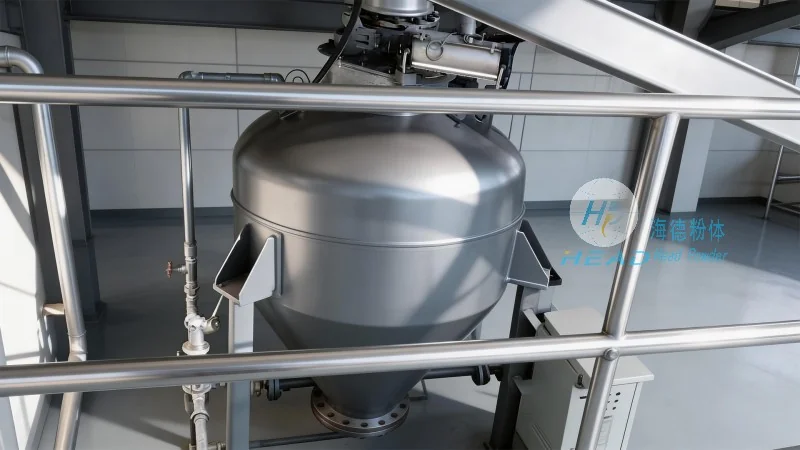
The unique properties of foamed plastic significantly influence the design of the pneumatic conveying system. Foamed plastics are typically lightweight, with low bulk density, which can affect how they behave in a gas stream. They may also have varying particle sizes and shapes, which can impact the system's efficiency. For example, finer particles may require a different air velocity to prevent settling or clogging, while larger particles might need a higher air pressure to maintain movement. Engineers must consider these material characteristics when designing the system, including the size and configuration of the hopper, the diameter of the conveying line, and the type of air distribution within the system.
Implementing a foamed plastic pneumatic conveying system offers several advantages over traditional material handling methods. One of the primary benefits is the ability to transport materials over long distances without the need for multiple transfer points or equipment. This reduces labor costs and the risk of material contamination or degradation. Additionally, the system can handle materials that are difficult to move using conventional methods, such as those with high moisture content or those that are prone to dust generation. The use of a closed system also helps in maintaining a clean and safe working environment, as it prevents dust from escaping into the air and contaminating the workplace.
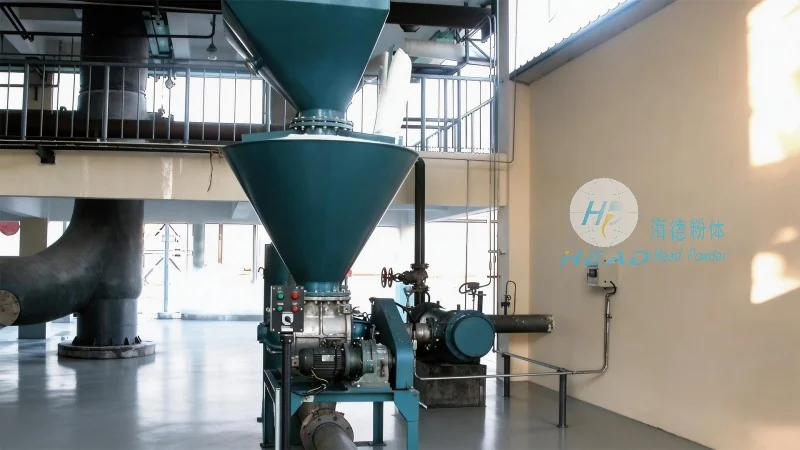
Despite its benefits, foamed plastic pneumatic conveying also presents certain challenges that must be addressed through careful design and maintenance. One of the main challenges is the potential for material buildup or clogging in the conveying line, especially if the material has a tendency to stick to the pipe walls. To mitigate this, engineers may use materials for the conveying line that are non-stick or incorporate cleaning mechanisms like back-pulse jets. Another challenge is ensuring consistent material feed, as foamed plastics can be irregular in shape and density, leading to uneven flow. Solutions include using hopper designs with proper aeration and vibration to ensure uniform material release.
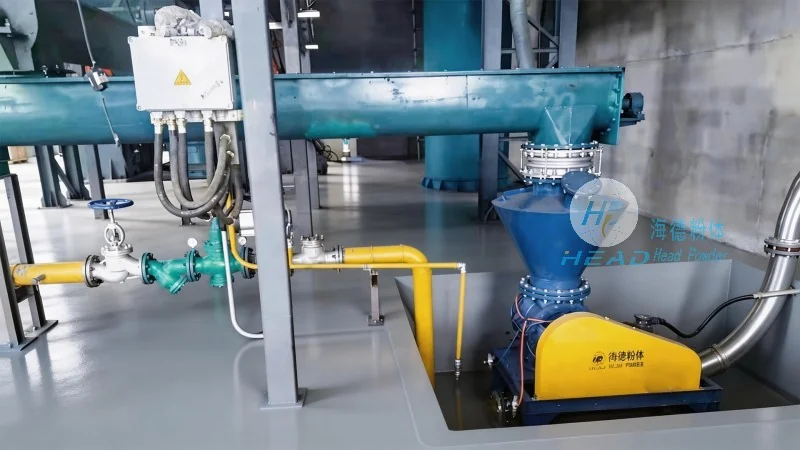
Foamed plastic pneumatic conveying is widely used in various industries where lightweight, low-density materials need to be transported efficiently. Common applications include the transportation of foamed plastic packaging materials, insulation materials, and other lightweight industrial products. In these applications, the system is often integrated into larger production lines, where the foamed plastic is moved from a manufacturing or processing area to a storage or packaging facility. The ability to handle large volumes of material over long distances makes this technology particularly suitable for high-volume production environments.
Designing and implementing an effective foamed plastic pneumatic conveying system requires a comprehensive understanding of both the material being conveyed and the principles of pneumatic transport. By carefully considering the key components, design principles, and material characteristics, engineers can create a system that maximizes efficiency, reliability, and safety. As industries continue to rely on lightweight materials like foamed plastic, the importance of well-designed pneumatic conveying systems will only grow. For businesses in need of such solutions, partnering with experienced engineering companies, like Shandong HeadPowder Engineering Co., Ltd., can provide the expertise and support necessary to develop and maintain optimal conveying systems.

 Shandong Headpowder Engineering Co., Ltd.
 156-6277-7102(Manager Zhang)
  0531-83386006
  Zhangqiu District, Jinan City, Shandong Province, China
telephone
WeChatconsult
top