

Phosphate Iron Transport: Positive Pressure vs. Negative Pressure - How to Differentiate?
When it comes to transporting phosphate iron, the choice between positive pressure and negative pressure systems is a critical decision that impacts operational efficiency, safety, and cost-effectiveness. Both methods have their unique advantages and specific applications, making it essential to understand the distinctions between them. This article aims to provide a clear comparison of positive and negative pressure transport for phosphate iron, helping you make an informed choice for your industrial needs.
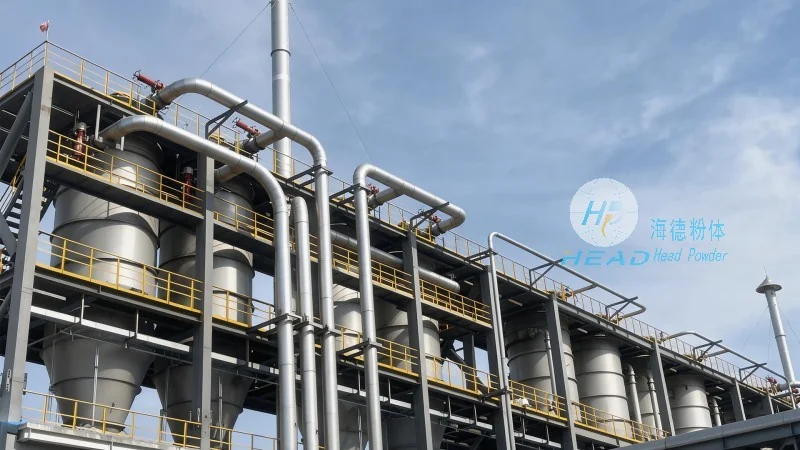
Understanding Positive Pressure Transport
Positive pressure transport involves using a pressure source to force material through a pipeline or conveyor system. In the context of phosphate iron, this typically means using a blower or compressor to generate positive pressure within the transport line. The material is pushed from the source to the destination, ensuring a continuous flow. This method is particularly effective for transporting fine powders or materials that are prone to caking or bridging. The positive pressure helps maintain a consistent flow rate and prevents material from settling or accumulating in the pipeline.
Key advantages of positive pressure transport include enhanced control over flow rates, reduced risk of material degradation due to exposure to air, and improved safety by minimizing dust emissions. It is often used in applications where the material needs to be delivered to a specific location with high precision, such as in chemical processing plants or fertilizer production facilities. The system can be designed to handle varying material characteristics, making it versatile for different phosphate iron compositions.
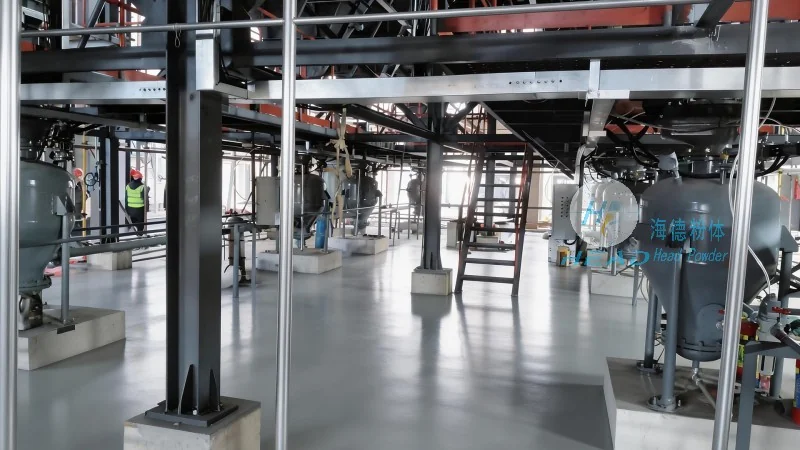
Understanding Negative Pressure Transport
Negative pressure transport, also known as suction or vacuum transport, operates by creating a vacuum in the transport line to draw material from the source to the destination. This method relies on a vacuum pump to create a pressure differential that pulls the material through the system. Unlike positive pressure, negative pressure does not require external power to push the material, as the vacuum itself provides the driving force.
Negative pressure transport is commonly used for materials that are lightweight or have low bulk density, as the vacuum can effectively capture and transport them without the need for high pressure. It is particularly suitable for applications where the material is generated at a source and needs to be collected at a distant location, such as in mining operations or material recovery facilities. The method is also advantageous for handling materials that are sensitive to pressure or that may degrade under high pressure conditions.
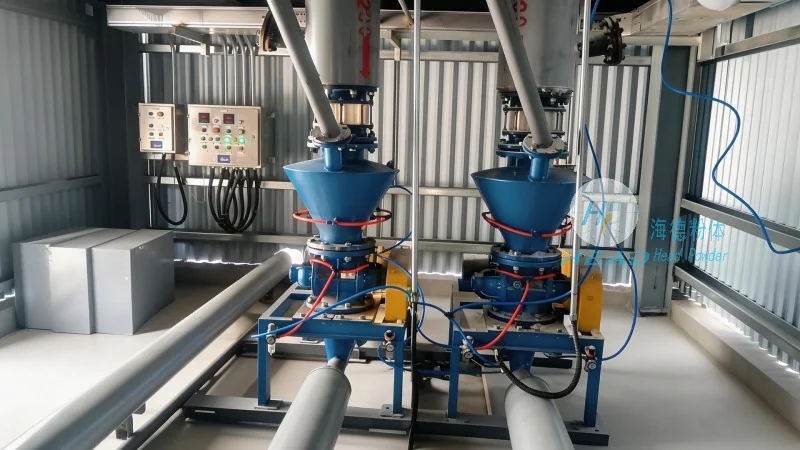
Distinguishing Between Positive and Negative Pressure Systems
The primary difference between positive and negative pressure transport lies in the direction of pressure application and the mechanism of material movement. Positive pressure uses external force to push material, while negative pressure uses a vacuum to pull material. This fundamental difference affects several key aspects of the transport process:
- Flow Control: Positive pressure systems offer better control over flow rates and can handle higher material loads, making them ideal for high-volume applications. Negative pressure systems, on the other hand, are better suited for low to medium volume flows and may require additional equipment to maintain consistent flow.
- Material Handling: Positive pressure is more effective for handling cohesive or abrasive materials that may cause blockages or wear on equipment. Negative pressure is generally better for handling fine, non-cohesive powders that are less likely to cause clogging.
- Energy Consumption: Positive pressure systems typically consume more energy due to the need for a compressor or blower. Negative pressure systems are more energy-efficient as they rely on the vacuum pump, which operates at lower power levels.
- Cost and Maintenance: Positive pressure systems may have higher initial costs and require more maintenance due to the wear and tear on high-pressure components. Negative pressure systems are generally less expensive and easier to maintain, as they use simpler vacuum equipment.
Factors to Consider When Choosing a Transport Method
When deciding between positive and negative pressure transport for phosphate iron, several factors should be considered to ensure the optimal choice for your specific application:
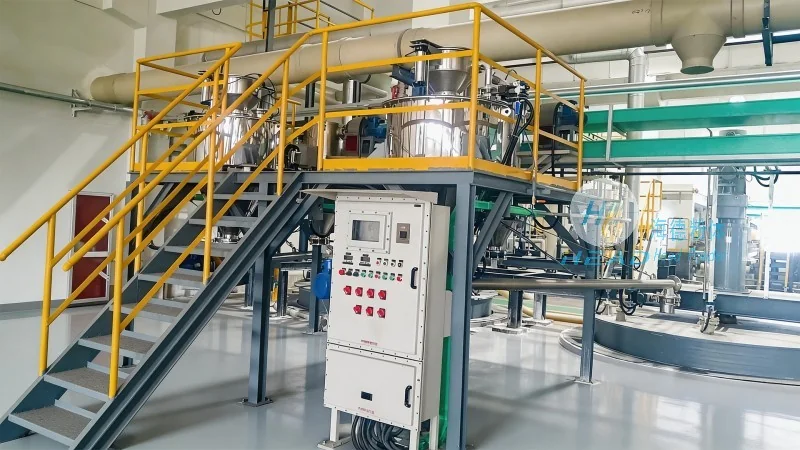
- Material Properties: The physical and chemical characteristics of the phosphate iron, such as particle size, moisture content, and bulk density, play a crucial role. Coarse or abrasive materials may benefit from positive pressure, while fine powders may be better suited for negative pressure.
- Distance and Elevation: The distance between the source and destination, as well as any elevation changes, can impact the choice. Positive pressure is often preferred for longer distances or when dealing with significant elevation changes, as it can maintain pressure and flow. Negative pressure may be more suitable for shorter distances or when the source is at a higher elevation than the destination.
- Environmental Regulations: Local regulations regarding dust emissions and air quality may influence the selection. Positive pressure systems can be equipped with dust collection and filtration systems to comply with environmental standards, while negative pressure systems may require additional measures to control emissions.
- Operational Requirements: The desired flow rate, throughput, and operational flexibility are important considerations. If high throughput and precise control are required, positive pressure may be the better option. For applications where flexibility and lower energy consumption are priorities, negative pressure could be more appropriate.
Conclusion
Choosing between positive and negative pressure transport for phosphate iron requires a thorough evaluation of the material characteristics, operational requirements, and environmental factors. Positive pressure transport offers superior control and is ideal for high-volume, abrasive materials, while negative pressure transport is more energy-efficient and suitable for fine powders. By understanding the distinctions and considering the specific needs of your application, you can select the most effective transport method to ensure efficient and safe operation.
Shandong HeadPowder Engineering Co., Ltd., a leading provider of industrial transport solutions, specializes in designing and manufacturing customized transport systems tailored to the unique needs of phosphate iron processing. With years of experience in the industry, HeadPowder offers expert guidance and high-quality equipment to help you make the right choice for your phosphate iron transport needs. Located in Shandong, China, HeadPowder is committed to delivering reliable and efficient solutions that enhance productivity and safety in your operations.