With more than 10‑year industry experience, Shandong Headpowder delivers full‑service pneumatic‑conveying systems and blowers, undertaking nationwide turn‑key powder‑handling projects.
When it comes to transporting ammonia fertilizer, selecting the appropriate system is crucial for ensuring safety, efficiency, and compliance with industry standards. Two primary methods are commonly considered: positive pressure transport and negative pressure transport. Understanding the differences between these systems and how to distinguish them is essential for making an informed decision. This article provides a detailed overview of both approaches, helping you evaluate which method best suits your operational needs.
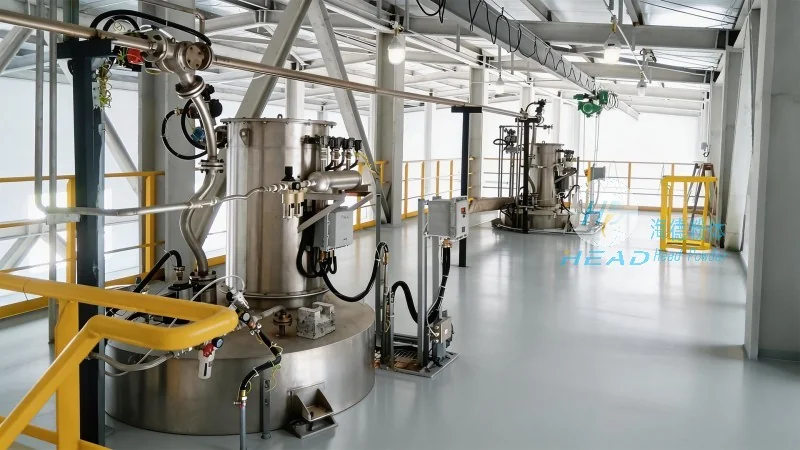
Positive pressure transport, also known as pressurized transport, involves maintaining a higher pressure inside the transport vessel compared to the surrounding environment. This method is widely used in the fertilizer industry due to its ability to control the flow of ammonia and prevent leaks. The system typically includes a pump or compressor that forces the ammonia fertilizer through the pipeline, ensuring consistent delivery to the destination. Key advantages of positive pressure transport include enhanced safety features, such as pressure relief valves and automatic shut-off mechanisms, which help mitigate risks associated with ammonia exposure. Additionally, this method allows for precise control over the flow rate and pressure, which is critical for maintaining the quality of the fertilizer and preventing degradation during transport.
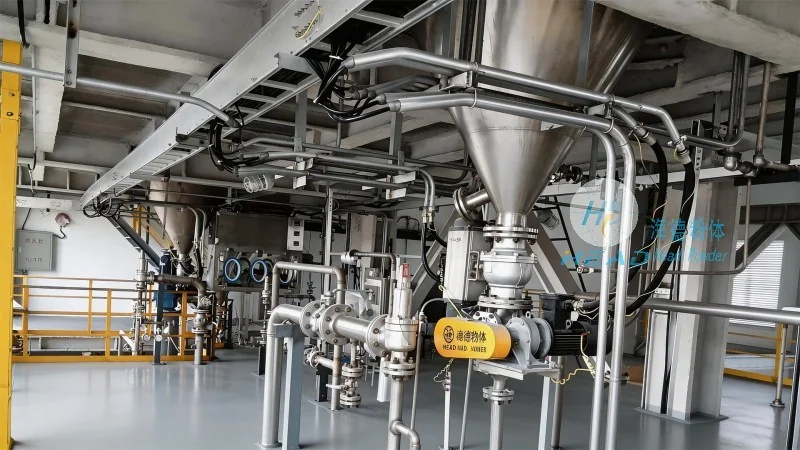
Negative pressure transport, or vacuum transport, operates by creating a lower pressure inside the transport vessel than the ambient air pressure. This approach uses a vacuum pump to draw the ammonia fertilizer from the source into the transport system. Unlike positive pressure, negative pressure transport relies on the principle of suction to move the material. This method is often preferred in applications where the source is at a higher elevation or where the distance to the destination is shorter. The main benefits of negative pressure transport include reduced energy consumption compared to positive pressure systems, as it does not require a powerful pump to force the material. However, it may be less suitable for long-distance or high-volume transport due to limitations in suction capacity and potential issues with maintaining consistent flow rates.
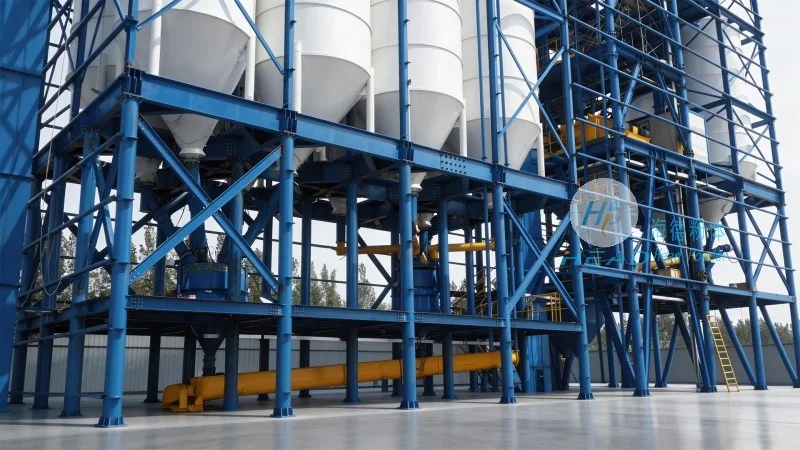
Identifying whether a system is positive or negative pressure involves examining key operational parameters and equipment design. The most straightforward way to determine the pressure type is by checking the pressure readings within the transport vessel. Positive pressure systems will show a pressure reading above atmospheric pressure (typically around 1-2 bar above ambient), while negative pressure systems will display a pressure below atmospheric pressure (often around -0.5 to -1 bar). Another critical factor is the presence of a pump or compressor. Positive pressure systems utilize a pump to increase pressure, whereas negative pressure systems employ a vacuum pump to create suction. Additionally, safety protocols differ between the two systems. Positive pressure systems require robust pressure relief mechanisms to prevent over-pressurization, while negative pressure systems must have proper venting and leak detection to avoid vacuum collapse or exposure to external contaminants. Evaluating the specific requirements of your ammonia fertilizer transport operation, such as distance, volume, and safety regulations, will help you decide which system is more appropriate.
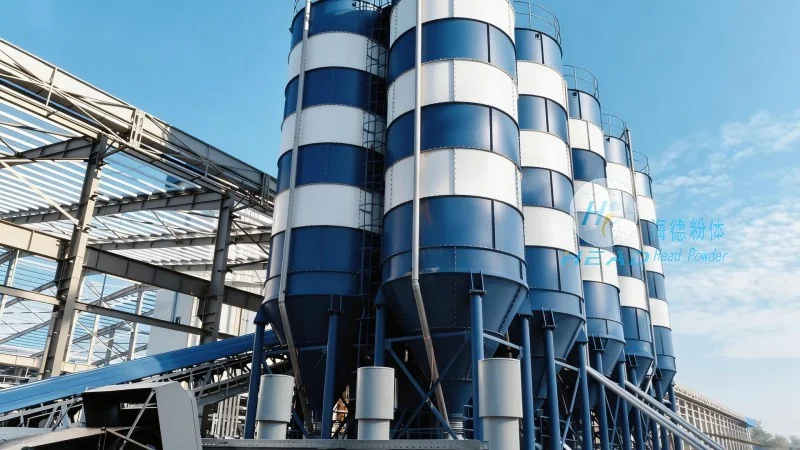
Shandong HeadPowder Engineering Co., Ltd., commonly known as HeadPowder, is a leading provider of engineering solutions for the fertilizer and chemical industries. With headquarters in Shandong, China, the company specializes in designing and manufacturing transport systems tailored to the unique needs of ammonia fertilizer handling. HeadPowder's expertise lies in integrating advanced technology with practical applications to ensure efficient, safe, and reliable operations for its clients. The company's commitment to quality and innovation has established it as a trusted partner in the industry, offering comprehensive support from system design to installation and maintenance.

 Shandong Headpowder Engineering Co., Ltd.
 156-6277-7102(Manager Zhang)
  0531-83386006
  Zhangqiu District, Jinan City, Shandong Province, China
telephone
WeChatconsult
top