With more than 10‑year industry experience, Shandong Headpowder delivers full‑service pneumatic‑conveying systems and blowers, undertaking nationwide turn‑key powder‑handling projects.
When it comes to mineral sand conveying, selecting the right system is crucial for efficiency, cost-effectiveness, and operational safety. Two primary methods dominate the industry: positive pressure conveying and negative pressure conveying. Each has distinct characteristics, advantages, and limitations that make them suitable for different applications. Understanding the differences and how to evaluate them is essential for making an informed decision. This article explores the key aspects of both positive and negative pressure conveying systems, helping you distinguish between them and choose the optimal solution for your mineral sand handling needs.
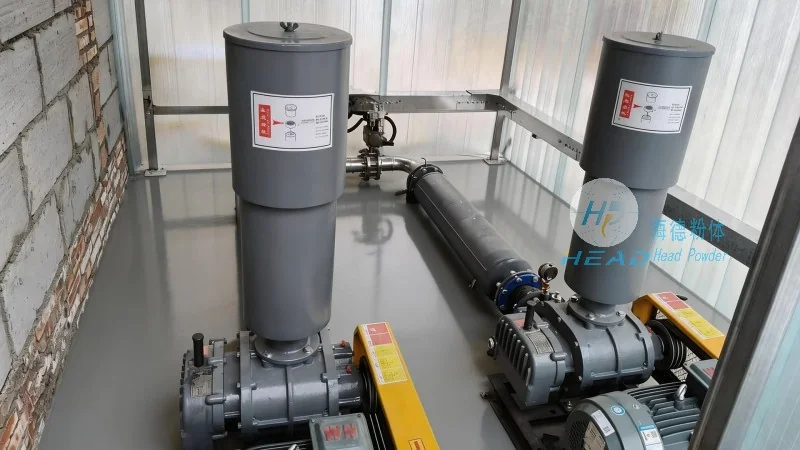
Positive pressure conveying, also known as pressure pneumatic conveying, operates by forcing air or gas through the conveying line under pressure. The system uses a positive pressure blower or compressor to push the material through the pipeline. This method is particularly effective for conveying dry, free-flowing materials like mineral sands over moderate distances. The high pressure ensures that the material is transported efficiently without clogging, making it ideal for applications where the material is abrasive or has a high density.
One of the main advantages of positive pressure conveying is its ability to handle a wide range of particle sizes and densities. It can transport materials with high moisture content, as the positive pressure helps to keep the material dry and prevent clumping. Additionally, this system is relatively simple to install and maintain, with fewer components compared to negative pressure systems. However, it may not be suitable for long-distance conveying or for materials that are highly sensitive to air exposure, as the high pressure can cause material degradation or increased wear on equipment.
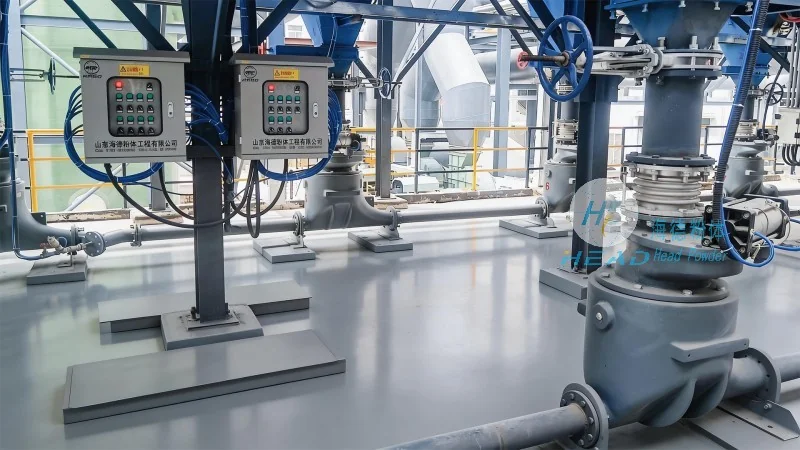
Negative pressure conveying, or vacuum pneumatic conveying, works by creating a vacuum in the conveying line to draw the material from the source. A vacuum pump pulls the material through the pipeline, and the air is then filtered and released back into the environment. This method is commonly used for conveying materials that are dusty or require a closed system to prevent dust emissions. Negative pressure conveying is particularly effective for short to medium-distance transport of fine or powdery materials, such as mineral sands that are prone to dusting.
One of the key benefits of negative pressure systems is their ability to handle materials with high moisture content or those that are sensitive to air. The vacuum helps to maintain the material's properties, reducing the risk of degradation or caking. Additionally, this system is well-suited for applications where dust control is a priority, as the filtered air is returned to the environment without releasing contaminants. However, negative pressure conveying may not be as efficient for long-distance transport, as the vacuum can drop significantly over longer distances, leading to reduced material flow rates. It also requires more complex filtration systems to ensure air quality compliance.
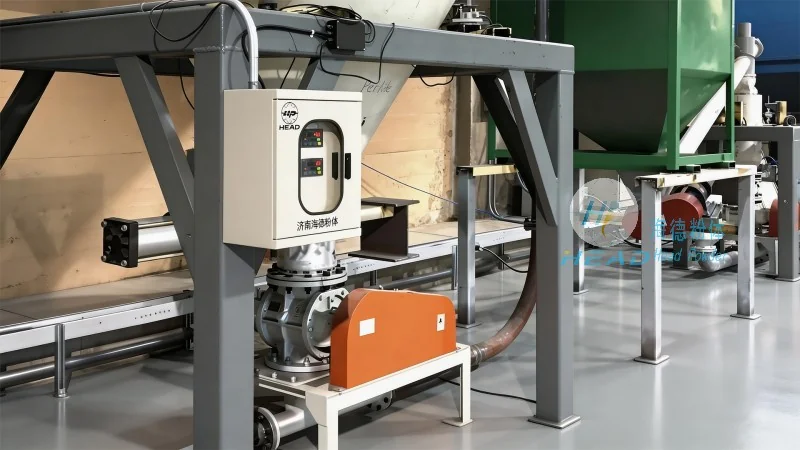
Choosing between positive and negative pressure conveying depends on several factors, including the nature of the material, the distance to be conveyed, the required air quality, and the overall system cost. Here are some key considerations to help you make the right choice:
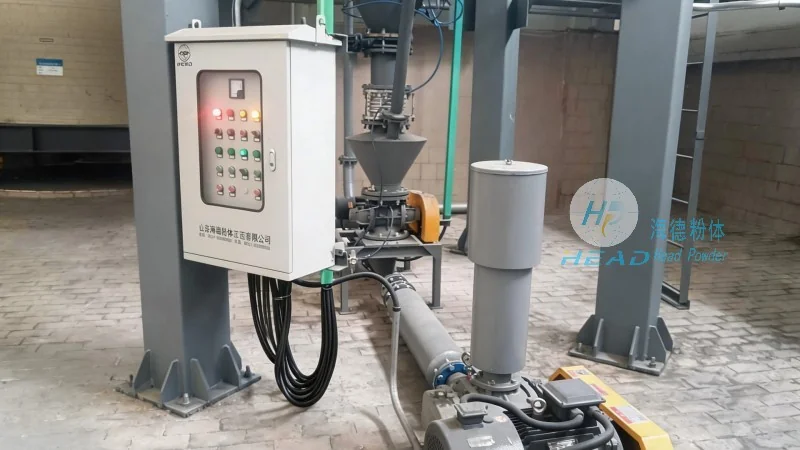
Ultimately, the decision between positive and negative pressure conveying should be based on a thorough analysis of your specific application requirements. By evaluating the material characteristics, conveying distance, and operational constraints, you can select the system that maximizes efficiency, minimizes costs, and ensures safe and reliable mineral sand handling.
Shandong HeadPowder Engineering Co., Ltd., operating under the brand name HeadPowder, is a leading provider of mineral sand conveying solutions. With a focus on innovation and customer satisfaction, HeadPowder specializes in designing and manufacturing customized conveying systems tailored to the unique needs of the mineral processing industry. Our team of experts works closely with clients to assess their material handling requirements and recommend the most appropriate positive or negative pressure conveying system. We prioritize quality, reliability, and durability in all our products, ensuring that our clients receive systems that meet or exceed industry standards. HeadPowder is committed to delivering efficient, cost-effective solutions that enhance operational performance and safety in mineral sand processing facilities.

 Shandong Headpowder Engineering Co., Ltd.
 156-6277-7102(Manager Zhang)
  0531-83386006
  Zhangqiu District, Jinan City, Shandong Province, China
telephone
WeChatconsult
top