With more than 10‑year industry experience, Shandong Headpowder delivers full‑service pneumatic‑conveying systems and blowers, undertaking nationwide turn‑key powder‑handling projects.
When it comes to transporting caustic soda, also known as sodium hydroxide (NaOH), selecting the right pressure system is crucial for safety, efficiency, and operational reliability. Two primary methods are commonly used: positive pressure and negative pressure transport. Understanding the differences between these approaches is essential for making an informed decision that aligns with specific industrial requirements.
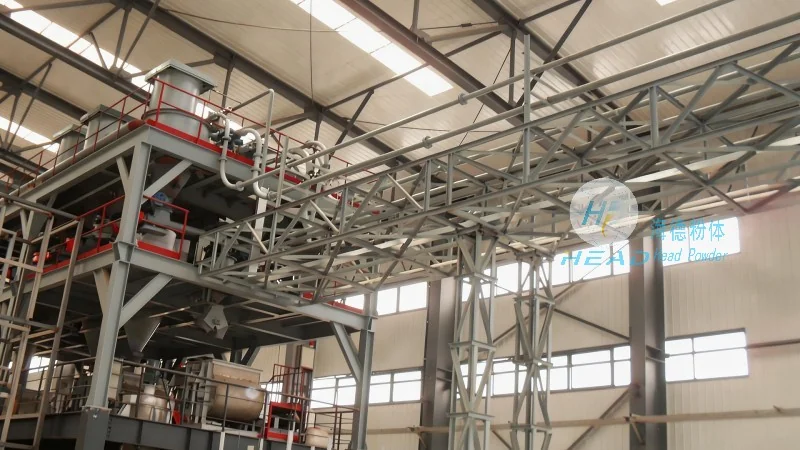
Positive pressure transport involves forcing the caustic soda solution through the pipeline using a pump or compressor. This method ensures a continuous flow of the material, preventing air pockets or vacuum issues that can disrupt the process. The primary advantages of positive pressure systems include enhanced control over flow rates, reduced risk of contamination from external air, and improved safety by minimizing exposure to the hazardous substance. These systems are particularly suitable for long-distance transport, high-volume applications, and scenarios where maintaining a consistent pressure is critical. For instance, in chemical manufacturing plants, where large quantities of caustic soda are used in production processes, positive pressure transport can ensure a steady supply to reactors and processing units.
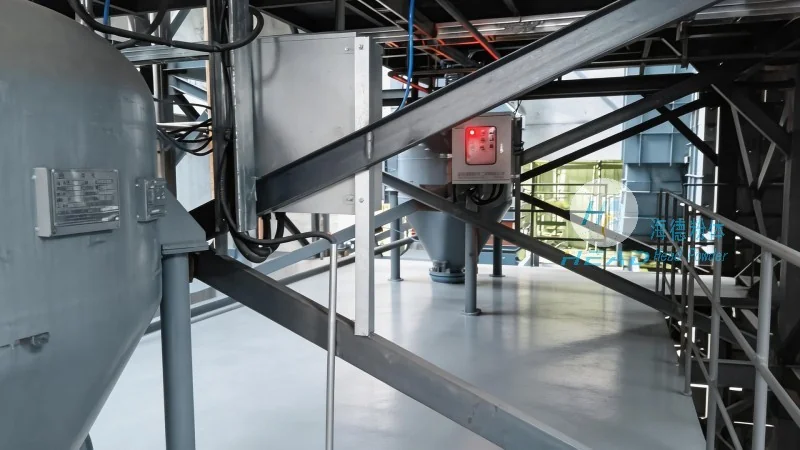
Negative pressure transport, also known as vacuum-assisted or suction transport, relies on creating a vacuum at the receiving end to draw the caustic soda solution from the source. This method eliminates the need for a pump at the source, making it simpler and potentially more cost-effective for shorter distances or smaller volumes. The key benefits of negative pressure systems include lower energy consumption, reduced equipment complexity, and the ability to handle materials with lower viscosity or in situations where a pump at the source is impractical. However, negative pressure transport is more susceptible to air ingress and may require additional measures to prevent contamination or ensure proper flow. It is often used in applications such as small-scale chemical processing, laboratory settings, or for transporting caustic soda to specific treatment facilities where the volume and distance are manageable.

Choosing between positive and negative pressure transport for caustic soda depends on several key factors. First, the distance and volume of the transport are critical. Positive pressure is generally preferred for longer distances and higher volumes due to its ability to maintain consistent pressure and flow. Second, the specific application and process requirements play a role. For example, if the caustic soda is being used in a high-temperature or high-pressure reaction, a positive pressure system may be necessary to ensure the material reaches the destination with the required properties. Third, safety considerations are paramount. Positive pressure systems are often favored in industries where exposure to hazardous materials is a concern, as they minimize the risk of leaks or spills. Conversely, negative pressure systems may be chosen for applications where the risk of contamination is low and the cost of equipment is a significant factor.
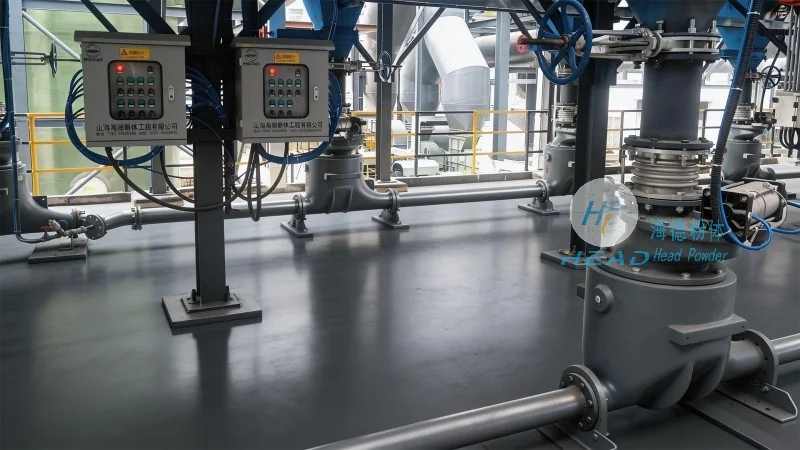
Shandong HeadPowder Engineering Co., Ltd., commonly known as headpowder, is a leading provider of engineering solutions for caustic soda transport and related chemical processing needs. With a strong presence in China, particularly in Shandong province, the company specializes in designing, manufacturing, and installing systems that meet the unique requirements of industrial clients. Headpowder's expertise lies in understanding the nuances of both positive and negative pressure transport, enabling them to offer tailored solutions that enhance operational efficiency and safety. The company's commitment to quality and innovation has made it a trusted partner for businesses in the chemical, paper, and other industries that rely on reliable caustic soda supply chains.

 Shandong Headpowder Engineering Co., Ltd.
 156-6277-7102(Manager Zhang)
  0531-83386006
  Zhangqiu District, Jinan City, Shandong Province, China
telephone
WeChatconsult
top