With more than 10‑year industry experience, Shandong Headpowder delivers full‑service pneumatic‑conveying systems and blowers, undertaking nationwide turn‑key powder‑handling projects.
Phosphoric acid calcium is a widely used chemical compound in various industrial applications, and its efficient handling often relies on pneumatic conveying systems. This article explores the concept of phosphoric acid calcium pneumatic conveying, detailing its operational principles and the key design considerations that ensure effective material transport.
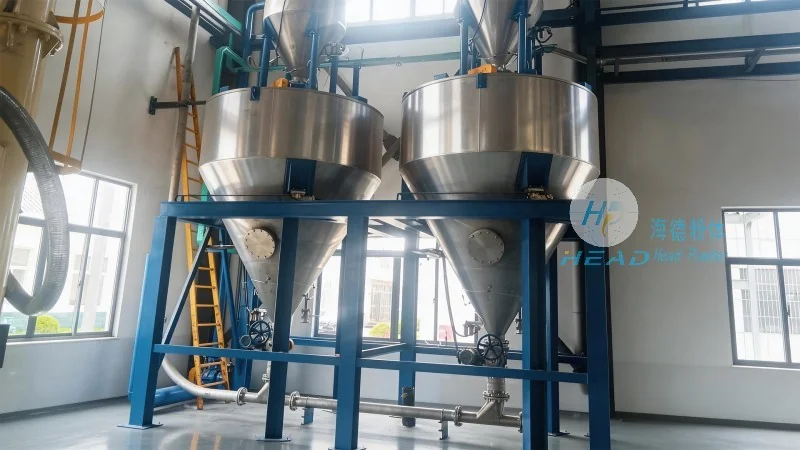
Phosphoric acid calcium, also known as calcium dihydrogen phosphate, is a white crystalline powder commonly used in agriculture, food processing, and pharmaceuticals. Traditional handling methods for this material often involve bulk storage and manual or mechanical loading, which can be inefficient and pose safety risks. Pneumatic conveying offers a solution by transporting the material through a pipeline using air or other gases, eliminating the need for manual handling and reducing exposure to dust and other hazards.
Pneumatic conveying systems operate on the principle of using pressurized or suction air to move particulate materials. In the case of phosphoric acid calcium, the system typically involves a source of air (such as a blower or compressor), a hopper or feeder to introduce the material, and a pipeline network that transports the material to its destination. The material is suspended in the air stream and carried through the pipeline, where it is deposited at the receiving end.
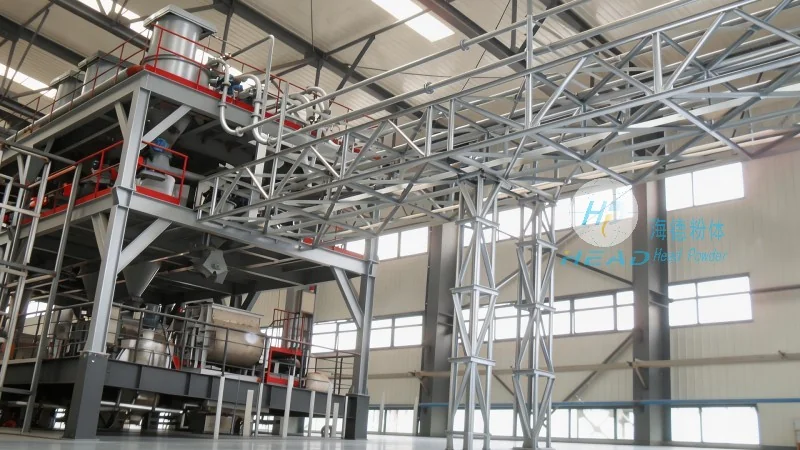
Designing an effective pneumatic conveying system for phosphoric acid calcium requires careful consideration of several factors to ensure optimal performance and longevity. These include the material's physical properties, such as particle size, density, and flowability, which directly impact the air velocity and pressure required for successful transport. The system's layout, including the length and diameter of the pipeline, the number of bends and fittings, and the placement of feeders and receivers, must be optimized to minimize pressure drop and prevent material buildup or blockages.
When handling phosphoric acid calcium, safety is a top priority due to the material's potential to cause respiratory irritation or other health issues if inhaled. Pneumatic conveying systems are designed with features to minimize dust generation and ensure proper ventilation. Additionally, the system's components, such as hoppers and pipelines, are often constructed from materials resistant to corrosion and chemical reactions, as phosphoric acid calcium can be acidic and may degrade certain metals over time.
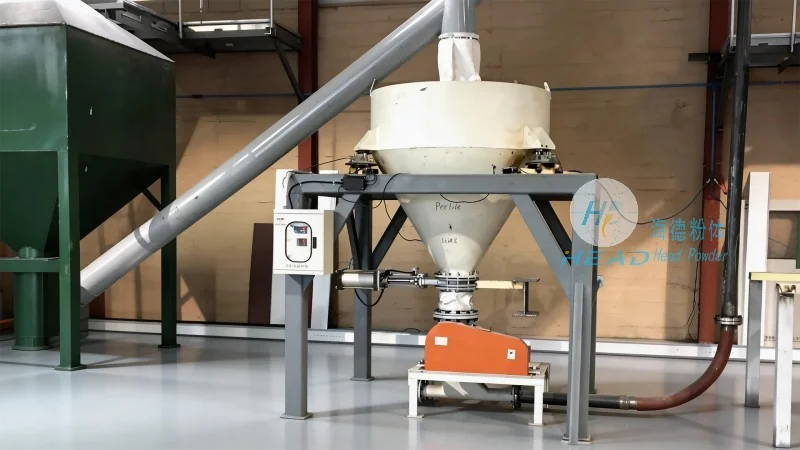
The use of pneumatic conveying for phosphoric acid calcium offers several advantages over traditional methods. These include improved safety by reducing manual handling, increased efficiency through automated material transport, and reduced operational costs by minimizing downtime and maintenance. The system's flexibility also allows for easy integration into existing production lines and the ability to transport the material over long distances without the need for intermediate storage.
Phosphoric acid calcium pneumatic conveying is a critical technology for efficiently handling this important chemical compound. By understanding the core principles and design considerations, industries can implement effective systems that enhance safety, improve operational efficiency, and reduce costs. As a leader in engineering solutions for material handling, Shandong HeadPowder Engineering Co., Ltd. specializes in designing and manufacturing customized pneumatic conveying systems tailored to the specific needs of their clients, ensuring reliable and safe transport of phosphoric acid calcium in various industrial applications.

 Shandong Headpowder Engineering Co., Ltd.
 156-6277-7102(Manager Zhang)
  0531-83386006
  Zhangqiu District, Jinan City, Shandong Province, China
telephone
WeChatconsult
top