With more than 10‑year industry experience, Shandong Headpowder delivers full‑service pneumatic‑conveying systems and blowers, undertaking nationwide turn‑key powder‑handling projects.
When it comes to transporting aluminum oxide particles, selecting the right conveying method is crucial for efficiency, safety, and operational costs. Two primary approaches are widely used: positive pressure conveying and negative pressure conveying. Understanding the differences between these systems is essential for making an informed decision. This guide will explore the characteristics, applications, and key factors to consider when choosing between positive and negative pressure for aluminum oxide particle transport.
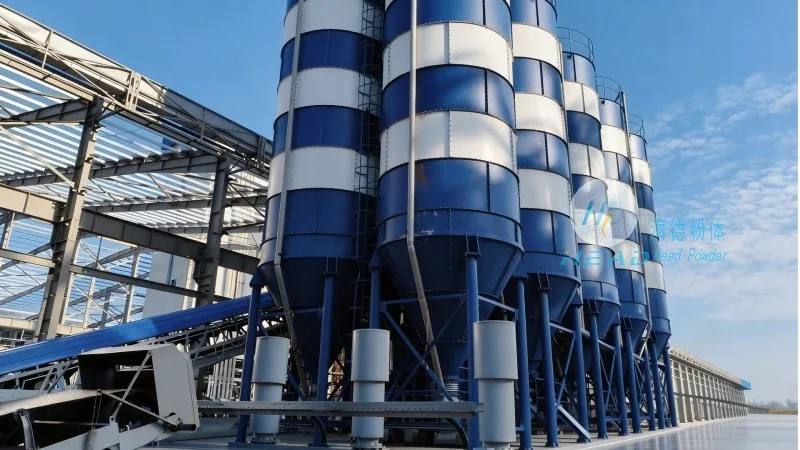
Positive pressure conveying, also known as pressure blow, operates by forcing air or a carrier gas through the material to be transported. In this system, a positive pressure blower or fan creates an overpressure in the conveying line, pushing the aluminum oxide particles along the pipeline. The primary advantage of positive pressure systems is their ability to handle abrasive or corrosive materials, as the high-pressure air can effectively move particles without causing excessive wear on equipment. Additionally, they are well-suited for long-distance transport and can maintain consistent flow rates, making them ideal for industrial applications where reliability is paramount.
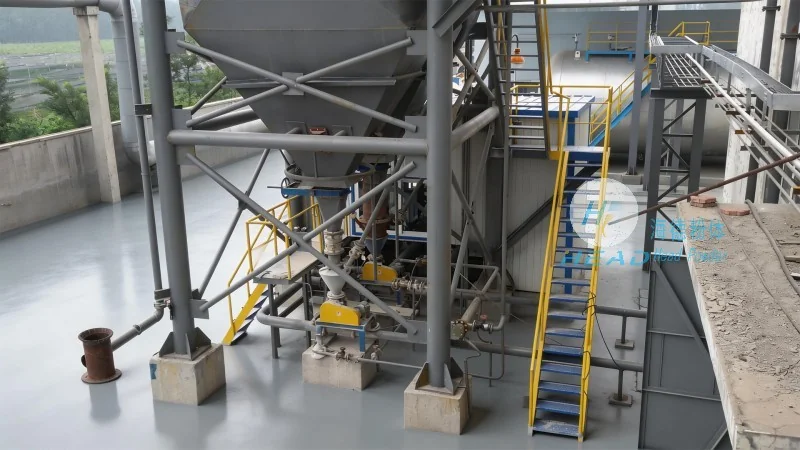
Negative pressure conveying, or vacuum suction, works by creating a vacuum in the conveying line, which draws the aluminum oxide particles into the system. A vacuum pump generates the low pressure, and the particles are pulled along the pipeline by the pressure differential. This method is particularly effective for handling fine or dust-like materials, as the vacuum can capture particles that might otherwise be lost to the environment. Negative pressure systems are often preferred for applications requiring dust control and environmental compliance, as they minimize particle emissions during transport. However, they may be less efficient for long distances or highly abrasive materials due to the limitations of vacuum pressure.
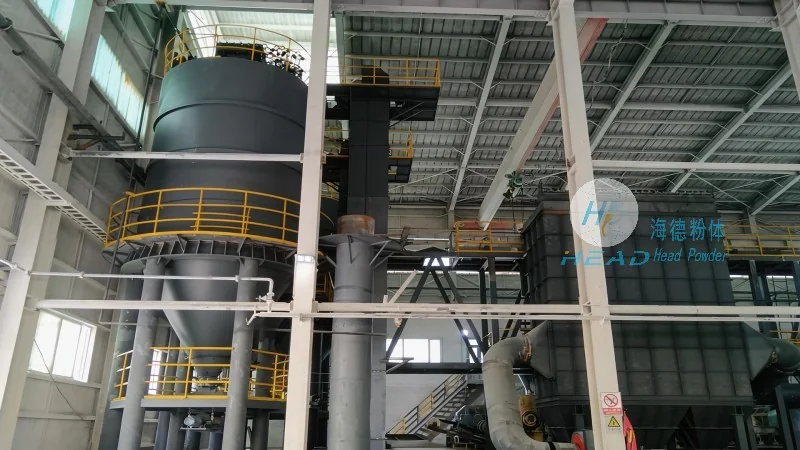
The key differences between positive and negative pressure conveying lie in their operational principles, equipment requirements, and performance characteristics. Positive pressure systems rely on external air pressure to move material, while negative pressure systems use suction to draw material in. From an equipment perspective, positive pressure systems typically require robust blowers and high-pressure pipelines, whereas negative pressure systems need powerful vacuum pumps and sealed collection points. In terms of operational safety, positive pressure systems are generally considered safer for handling hazardous materials, as they prevent the release of dust into the environment. Conversely, negative pressure systems are better suited for applications where dust containment is critical, such as in pharmaceutical or food processing industries.
When deciding between positive and negative pressure conveying for aluminum oxide particles, several factors must be evaluated. The first consideration is the material characteristics, including particle size, density, and abrasiveness. Coarse or abrasive particles may benefit from the higher pressure and flow rates of positive pressure systems, while fine or light particles might be better suited for negative pressure, which can capture smaller particles more effectively. The distance of transport is another critical factor; positive pressure systems are generally more efficient for longer distances due to their ability to maintain pressure over extended pipelines. Environmental regulations and safety requirements also play a role, as negative pressure systems excel in dust control, making them suitable for applications with strict emission standards. Finally, the existing infrastructure and operational budget should be considered, as positive pressure systems may require more powerful equipment and higher energy consumption compared to negative pressure systems.
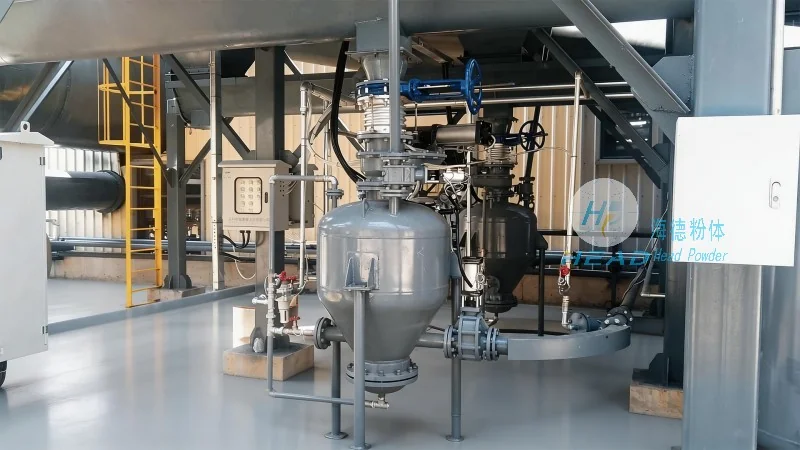
Shandong HeadPowder Engineering Co., Ltd., commonly known as HeadPowder, is a leading provider of specialized conveying systems for industrial applications. With a focus on innovation and customer-centric solutions, HeadPowder offers tailored positive and negative pressure conveying systems designed to meet the unique needs of aluminum oxide particle transport. The company’s expertise lies in understanding the nuances of material handling, ensuring that each system is optimized for efficiency, reliability, and safety. HeadPowder’s products are engineered to handle the challenges of aluminum oxide particles, from their abrasive nature to their varying particle sizes, providing industrial clients with reliable and cost-effective conveying solutions. Based in Shandong, China, HeadPowder serves a global market, delivering high-quality equipment and technical support to industries that rely on efficient material transport. Whether you need a positive pressure system for long-distance transport or a negative pressure system for dust control, HeadPowder is committed to providing the right solution for your aluminum oxide conveying needs.

 Shandong Headpowder Engineering Co., Ltd.
 156-6277-7102(Manager Zhang)
  0531-83386006
  Zhangqiu District, Jinan City, Shandong Province, China
telephone
WeChatconsult
top