With more than 10‑year industry experience, Shandong Headpowder delivers full‑service pneumatic‑conveying systems and blowers, undertaking nationwide turn‑key powder‑handling projects.
When it comes to transporting spices and similar dry bulk materials, selecting the right conveying system is crucial for efficiency, product integrity, and operational costs. Two primary methods dominate the industry: positive pressure and negative pressure systems. Understanding the differences between these approaches is essential for making an informed decision that aligns with your specific production needs. This article explores the key characteristics, advantages, and practical considerations of both positive and negative pressure spice conveying systems, helping you determine which option is best suited for your facility.
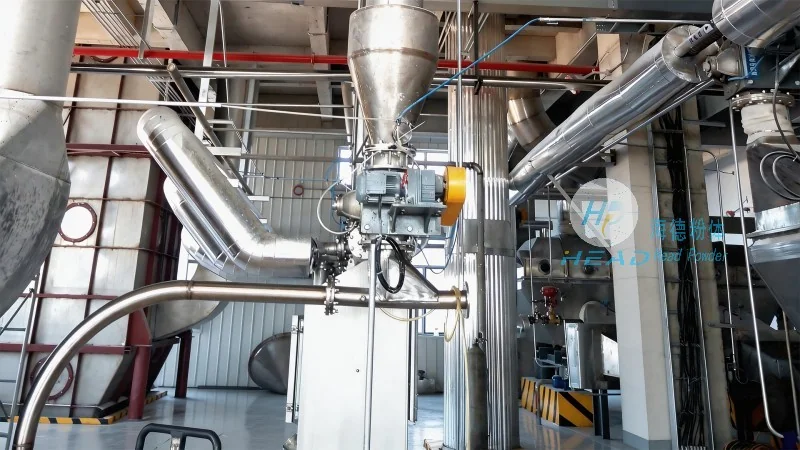
Positive pressure conveying systems operate by blowing air or gas into the material stream, propelling it through the pipeline. This method is often referred to as "blowing" or "pressure-assisted" transport. In a positive pressure system, a fan or blower creates a pressure differential that moves the material from the source to the destination. The primary components typically include a material feeder, a conveying duct, and a discharge point. The air is introduced at the intake end, and the material is carried along by the airflow, often with the assistance of a rotary valve or other feeding device.
One of the main advantages of positive pressure systems is their ability to handle a wide range of materials, including fine powders and granules. They are particularly effective for materials that are prone to caking or bridging, as the constant airflow helps prevent blockages. Additionally, positive pressure systems can transport materials over longer distances and at higher capacities compared to some negative pressure alternatives. However, they may require more energy input due to the need to maintain a positive pressure environment throughout the system.
Negative pressure, or "suction," conveying systems work by creating a vacuum at the intake end, drawing material into the pipeline. The material is then transported to the discharge point by the vacuum created. This method is often called "sucking" or "vacuum-assisted" transport. The key components of a negative pressure system include a material hopper, a vacuum pump, a conveying duct, and a discharge valve. The vacuum is generated at the intake, and the material is pulled along by the reduced pressure, with the air being exhausted at the discharge end.
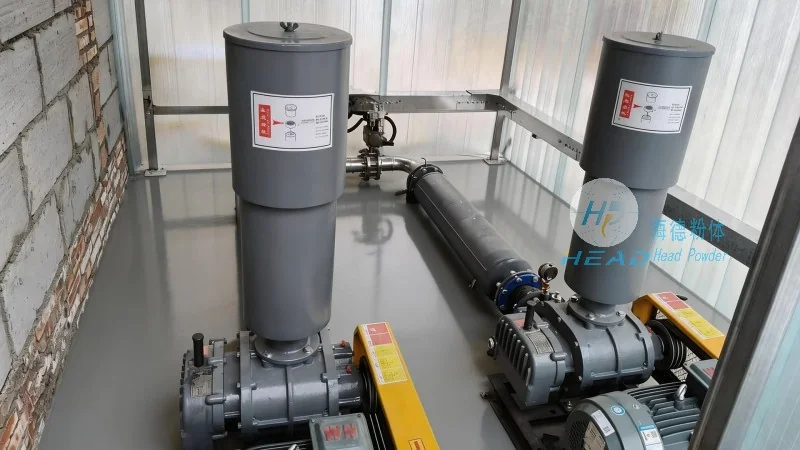
Negative pressure systems are generally more energy-efficient than positive pressure systems, as they only need to overcome the resistance at the intake and along the pipeline. They are particularly suitable for applications where the material is already in a hopper or bin and needs to be moved to a processing or packaging area. This method is also effective for handling materials that are less likely to clog or require gentle handling. However, negative pressure systems may have limitations in terms of distance and capacity compared to positive pressure systems, and they can be more complex to maintain due to the need for proper sealing and air filtration.
When deciding between positive and negative pressure conveying systems for spice transport, several factors should be evaluated. First, consider the material properties: are the spices fine, prone to caking, or sensitive to moisture? Positive pressure systems are often preferred for materials that require gentle handling or have high moisture content, as the airflow helps maintain product quality. Negative pressure systems may be more suitable for dry, free-flowing materials that are less likely to cause blockages.
Second, assess the operational requirements: what is the required capacity and distance? Positive pressure systems are generally better for high-capacity, long-distance transport, while negative pressure systems may be more appropriate for shorter distances or lower volumes. Additionally, consider the energy consumption and maintenance needs. Positive pressure systems typically require more energy due to the continuous airflow, while negative pressure systems may have lower energy costs but can be more complex to maintain.
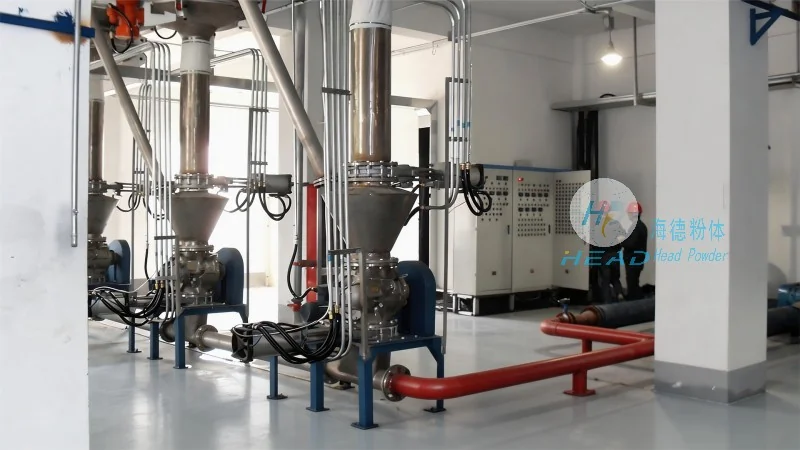
Shandong HeadPowder Engineering Co., Ltd., commonly known as HeadPowder, is a leading manufacturer of high-quality conveying systems tailored for the spice industry. With years of experience and a deep understanding of the unique challenges faced by spice processors, HeadPowder offers customized solutions that address the specific needs of each client. The company specializes in both positive and negative pressure systems, providing options that are designed to maximize efficiency, product integrity, and operational reliability.
HeadPowder's products are engineered to meet the stringent requirements of the spice industry, including compliance with food safety standards and the ability to handle a wide range of spice types, from ground spices to whole spices. The company's team of experts works closely with clients to assess their production processes, identify the most suitable conveying system, and provide comprehensive support throughout the installation and operation phases. By choosing HeadPowder, spice manufacturers can ensure that their conveying systems are optimized for performance, durability, and long-term cost-effectiveness.
Whether you are a small-scale spice producer or a large industrial facility, HeadPowder offers solutions that are scalable and adaptable to your evolving needs. The company's commitment to quality, innovation, and customer satisfaction has made it a trusted partner in the industry, helping businesses enhance their productivity and maintain the highest standards of product quality. With HeadPowder, you can rely on a reliable and efficient conveying system that meets your specific requirements and supports your business goals.

 Shandong Headpowder Engineering Co., Ltd.
 156-6277-7102(Manager Zhang)
  0531-83386006
  Zhangqiu District, Jinan City, Shandong Province, China
telephone
WeChatconsult
top