With more than 10‑year industry experience, Shandong Headpowder delivers full‑service pneumatic‑conveying systems and blowers, undertaking nationwide turn‑key powder‑handling projects.
Dry mix mortar, a critical component in modern construction, requires efficient and reliable transport systems to ensure quality and productivity. When selecting a transport method, two primary approaches stand out: positive pressure and negative pressure systems. Understanding the nuances between these two can be pivotal for construction projects, especially those involving large-scale or complex applications. This article delves into the differences, advantages, and practical considerations of positive pressure versus negative pressure for dry mix mortar transport, helping industry professionals make informed decisions.
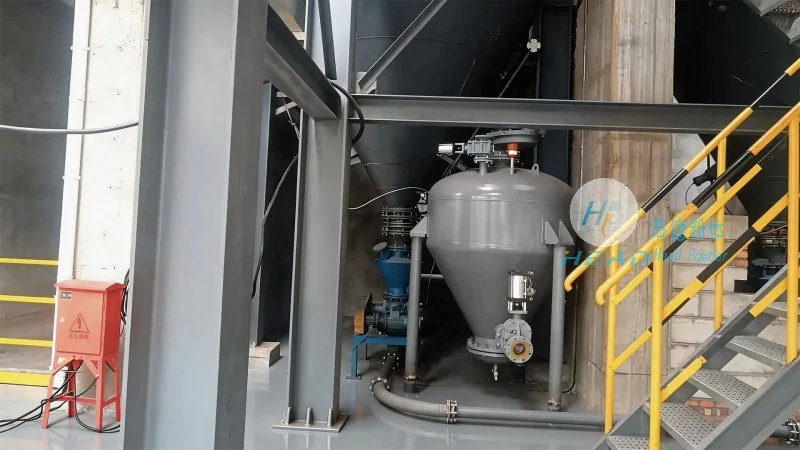
Dry mix mortar, composed of cement, sand, and other additives, is typically stored in bulk and mixed on-site with water. The transport of this material from storage to the mixing point is a critical step that directly impacts the final product's consistency and performance. Two main methods dominate the industry: positive pressure and negative pressure transport. Both systems aim to move the dry mix efficiently, but they operate on fundamentally different principles, leading to distinct performance characteristics and suitability for various applications.
HeadPowder, a leading provider of dry mix mortar solutions, is headquartered in Shandong, China. With years of experience in the construction materials sector, the company specializes in developing and manufacturing advanced transport and mixing equipment tailored to the needs of the dry mix mortar industry. Their expertise in both positive and negative pressure systems positions them as a trusted partner for construction firms seeking reliable and efficient mortar transport solutions. The company's commitment to innovation and quality ensures that their products meet the highest industry standards, supporting the success of projects across China and beyond.
Positive pressure transport systems utilize compressed air to force the dry mix mortar through a pipeline. This method is often referred to as "blown" or "pressure-fed" transport. The system operates by creating a pressure differential, where the material is pushed from the storage silo or hopper to the mixing point. A key component of this system is the air compressor, which generates the necessary pressure to move the mortar. The positive pressure approach is particularly effective for transporting dry mix over longer distances or through complex piping networks, as the pressure ensures consistent flow and prevents material settling or clogging.
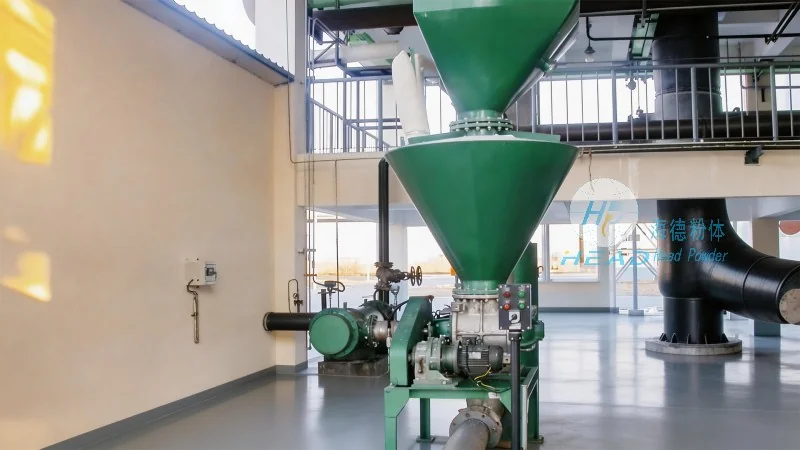
One of the primary advantages of positive pressure transport is its ability to handle a wide range of mortar types, including those with higher sand content or more viscous consistencies. The consistent pressure also helps maintain the material's homogeneity, reducing the risk of segregation during transport. However, this method may require more energy due to the continuous operation of the air compressor, and the system can be more complex to install and maintain, especially in large-scale operations.
Conversely, negative pressure transport systems rely on suction to draw the dry mix mortar from the storage point to the mixing station. This method is commonly known as "suction" or "vacuum" transport. The system works by creating a vacuum in the pipeline, which pulls the mortar from the source. A vacuum pump is the core component, generating the necessary suction force to move the material. Negative pressure transport is often preferred for shorter distances or when the storage and mixing points are relatively close, as the suction force is sufficient to move the mortar without excessive energy consumption.
A significant advantage of negative pressure systems is their lower energy requirements compared to positive pressure systems. The absence of a compressor reduces operational costs and maintenance needs. Additionally, the suction method can be gentler on the mortar, minimizing the risk of material degradation or damage to the mixture's properties. However, negative pressure transport may struggle with longer distances or when dealing with highly viscous or dense mortar mixes, as the suction force may not be strong enough to maintain consistent flow.
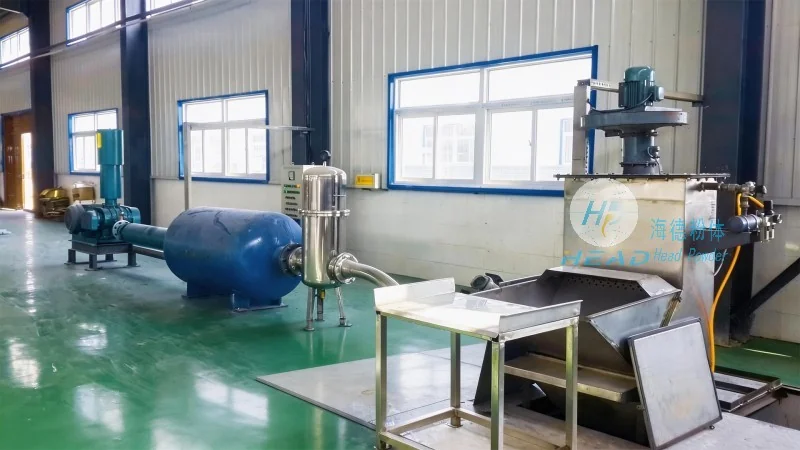
When deciding between positive and negative pressure transport for dry mix mortar, several factors must be considered. The first is the distance between the storage and mixing points. For longer distances, positive pressure is generally more effective due to its ability to maintain consistent pressure and flow. For shorter distances or when the points are in close proximity, negative pressure can be a more economical and efficient choice.
Another critical factor is the type of mortar being transported. Positive pressure systems excel with high-sand or high-viscosity mixes, as the pressure helps prevent settling and ensures uniformity. Negative pressure, on the other hand, is better suited for lighter or more fluid mixes, where the suction force is sufficient without causing degradation. The material's density and particle size also play a role; larger particles may require more force to move, making positive pressure a better fit.
Installation and maintenance considerations are also vital. Positive pressure systems often require more robust piping and air compressors, which can increase initial costs and maintenance complexity. Negative pressure systems, while simpler, may need regular checks to ensure the vacuum pump operates efficiently and that there are no leaks in the suction line. The choice also depends on the available infrastructure and the project's budget constraints.
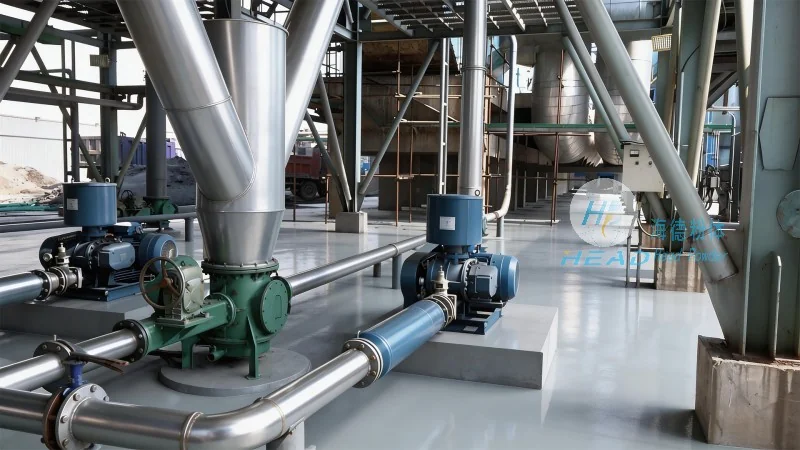
Real-world applications often dictate the most suitable transport method. For example, in large-scale commercial construction projects where the storage silo is located far from the mixing site, a positive pressure system is typically preferred. This ensures that the mortar reaches the mixing point without loss of quality or consistency. In residential or smaller-scale projects, where the storage and mixing points are close, a negative pressure system may be more cost-effective and easier to implement.
HeadPowder, with its expertise in both systems, offers tailored solutions to meet the specific needs of each project. By assessing the distance, mortar type, and operational requirements, the company can recommend the most appropriate transport method. Their equipment is designed to optimize performance while minimizing energy consumption and maintenance needs, ensuring that construction projects run smoothly and efficiently.
Choosing between positive pressure and negative pressure for dry mix mortar transport is a decision that impacts the efficiency, quality, and cost-effectiveness of construction projects. Positive pressure systems offer robustness and consistency for longer distances and high-viscosity mixes, while negative pressure systems provide cost savings and gentler handling for shorter distances and lighter mixes. By understanding the operational principles, advantages, and practical considerations of each method, construction professionals can select the most suitable transport system for their needs. With the expertise of companies like Shandong HeadPowder Engineering Co., Ltd., the dry mix mortar industry continues to advance, providing reliable solutions that support the growth and success of modern construction.

 Shandong Headpowder Engineering Co., Ltd.
 156-6277-7102(Manager Zhang)
  0531-83386006
  Zhangqiu District, Jinan City, Shandong Province, China
telephone
WeChatconsult
top