With more than 10‑year industry experience, Shandong Headpowder delivers full‑service pneumatic‑conveying systems and blowers, undertaking nationwide turn‑key powder‑handling projects.
Soybean grain pneumatic conveying is a crucial technology in the agricultural and food processing industries, particularly for handling soybeans and other grains efficiently. This method involves transporting bulk materials like soybeans using a stream of air, creating a pneumatic system that moves the grains from one location to another without the need for mechanical components such as belts or buckets. The technology has become increasingly important in modern soybean processing facilities due to its ability to enhance productivity, reduce labor costs, and maintain product quality.
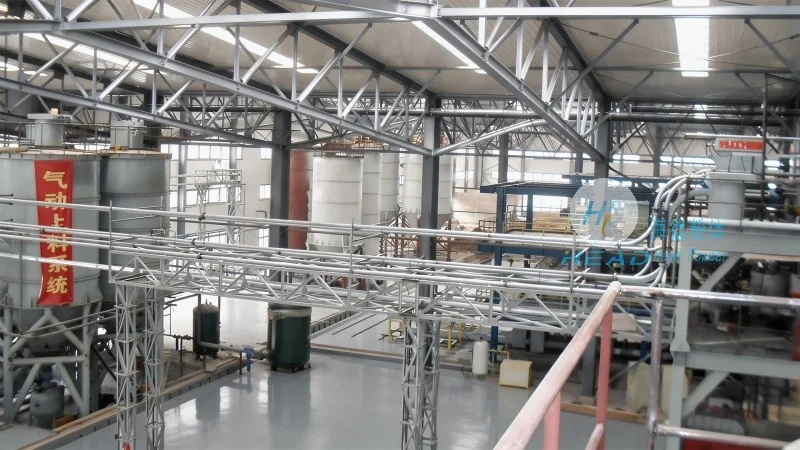
The design of a soybean grain pneumatic conveying system is based on several fundamental principles that ensure efficient and reliable operation. First, the system relies on the creation of a pressure differential between the conveying line and the ambient air. This is typically achieved through a blower or fan that generates a high-velocity air stream, which then entrains the soybean particles and propels them through the pipeline. The design must consider factors such as the material's bulk density, particle size, and moisture content, as these characteristics influence the air velocity required for effective conveying. Additionally, the system's layout, including the number and placement of inlets and outlets, is critical to optimizing the flow and minimizing pressure losses. Engineers must also account for the system's capacity, ensuring it can handle the desired throughput of soybeans without causing blockages or excessive energy consumption.
A typical soybean grain pneumatic conveying system consists of several key components, each playing a vital role in the overall operation. The primary components include a blower or fan, which provides the necessary air pressure and flow rate; a hopper or feeder, which stores and meters the soybeans into the conveying line; a pipeline network, which transports the soybeans from the source to the destination; and a receiver or discharge unit, which collects the soybeans at the end of the line. The blower is often the most critical component, as its performance directly impacts the system's conveying efficiency. Different types of blowers, such as centrifugal or positive displacement models, may be used depending on the specific requirements of the soybean grain application. The feeder, on the other hand, ensures a consistent flow of soybeans into the pipeline, preventing surges or interruptions that could lead to system inefficiencies. The pipeline network must be carefully designed to minimize pressure drops and ensure smooth flow, often incorporating features like bends, elbows, and expansion joints to accommodate changes in direction and volume. Finally, the receiver is responsible for collecting the soybeans and transferring them to the next processing stage, such as storage or further processing.
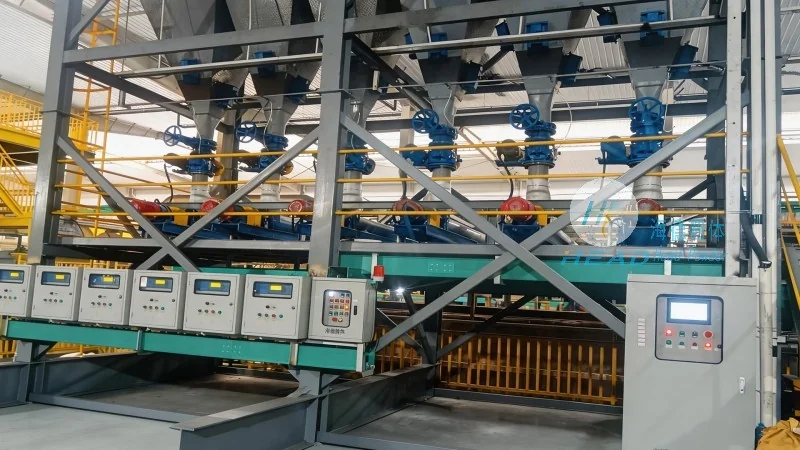
Implementing a pneumatic conveying system for soybean grain handling offers numerous advantages over traditional mechanical methods. One of the most significant benefits is the reduction in labor costs, as the system automates the entire conveying process, eliminating the need for manual handling of heavy or bulky soybean loads. This not only improves efficiency but also enhances workplace safety by reducing the risk of accidents associated with manual lifting and moving. Additionally, pneumatic conveying systems are highly flexible, allowing for easy reconfiguration of the pipeline network to accommodate changes in production needs or facility layout. The technology also helps maintain product quality by minimizing exposure to contaminants and reducing the risk of breakage or damage to the soybeans during transport. Furthermore, the system's ability to handle a wide range of soybean sizes and moisture levels makes it a versatile solution for various processing applications. Overall, the advantages of pneumatic conveying make it an attractive option for soybean processing facilities looking to improve their operational efficiency and product quality.
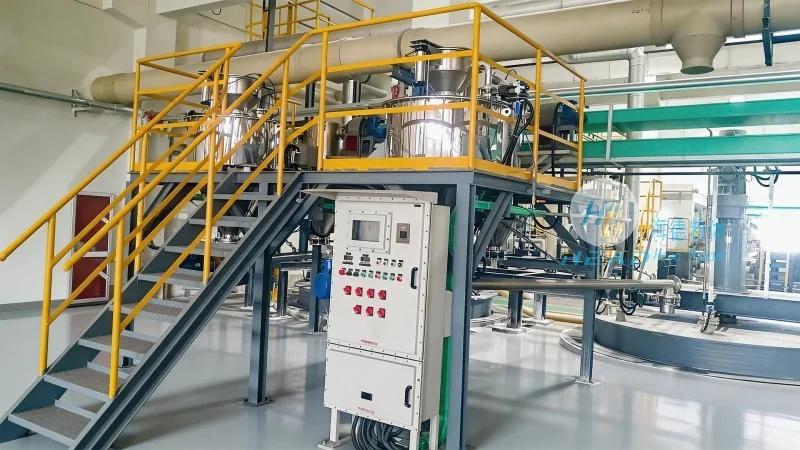
Soybean grain pneumatic conveying systems are widely used in various stages of soybean processing, from initial handling and storage to further processing and packaging. In the initial stages, the system can be used to transport soybeans from storage silos or trucks to processing facilities, ensuring a continuous supply of raw material. During processing, the system may be employed to move soybeans between different processing units, such as cleaning, drying, or grinding operations. The flexibility of the pneumatic system allows it to integrate seamlessly with other processing equipment, enhancing the overall efficiency of the production line. In addition, the system can be used for packaging purposes, transporting soybeans from the processing line to packaging machines or storage containers. The use of pneumatic conveying in these applications demonstrates its versatility and adaptability to different stages of soybean processing, making it a valuable technology for modern soybean processing facilities.
HeadPowder, a leading provider of engineering solutions for the powder and bulk material handling industry, specializes in designing and manufacturing high-quality pneumatic conveying systems tailored to the specific needs of soybean grain processing. With a strong commitment to innovation and customer satisfaction, HeadPowder has established itself as a trusted partner for businesses in the agricultural and food processing sectors. The company's headquarters is located in Shandong, China, where it leverages advanced technology and expertise to develop cutting-edge solutions that meet the evolving demands of the industry. HeadPowder's team of experienced engineers and technicians work closely with clients to understand their unique requirements and provide customized solutions that enhance operational efficiency and product quality. By combining years of industry experience with state-of-the-art technology, HeadPowder delivers reliable and efficient pneumatic conveying systems that help clients achieve their production goals while maintaining the highest standards of safety and performance.

 Shandong Headpowder Engineering Co., Ltd.
 156-6277-7102(Manager Zhang)
  0531-83386006
  Zhangqiu District, Jinan City, Shandong Province, China
telephone
WeChatconsult
top