With more than 10‑year industry experience, Shandong Headpowder delivers full‑service pneumatic‑conveying systems and blowers, undertaking nationwide turn‑key powder‑handling projects.
When selecting the appropriate conveying method for tungsten carbide powders and components, the choice between positive pressure and negative pressure systems is a critical decision. Both methods serve distinct purposes and offer unique advantages depending on the specific application requirements. Understanding the fundamental differences and operational characteristics of each system is essential for optimizing material handling efficiency and ensuring product integrity.
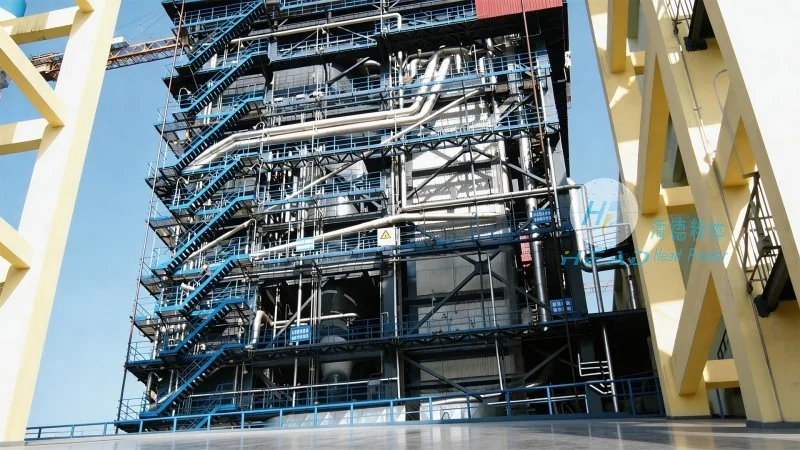
Positive pressure conveying systems operate by forcing material through a pipeline using a positive pressure source, such as a blower or compressor. This method is particularly effective for transporting abrasive materials like tungsten carbide, as it minimizes particle degradation and maintains consistent flow rates. The positive pressure ensures that the material is continuously pushed forward, reducing the risk of clogging and improving overall system reliability. For applications involving high-volume or long-distance transport of tungsten carbide powders, positive pressure systems often provide superior performance and are widely adopted in industrial settings.
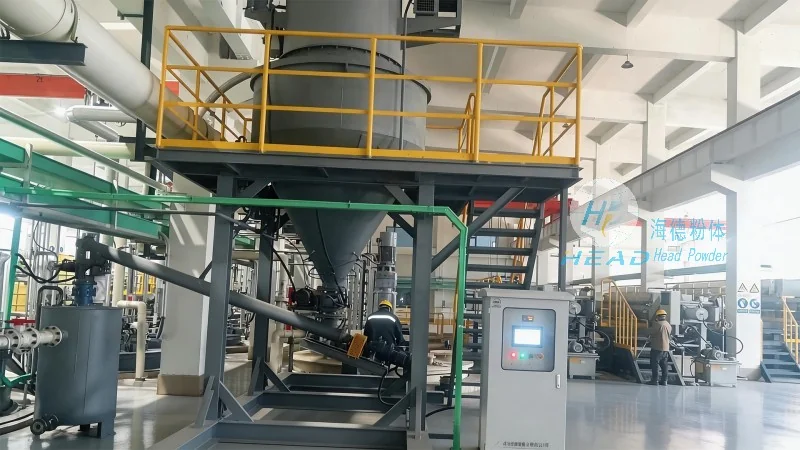
Negative pressure, or vacuum, conveying systems utilize a vacuum pump to draw material into the pipeline. This approach is ideal for handling fine powders and delicate components where minimal particle breakage is required. The low-pressure environment reduces friction and abrasion, making it suitable for sensitive tungsten carbide products. However, negative pressure systems may be less efficient for transporting large quantities of material over extended distances, as the vacuum can lead to reduced flow rates and increased energy consumption. The choice of negative pressure often depends on the material's characteristics and the specific processing needs of the operation.
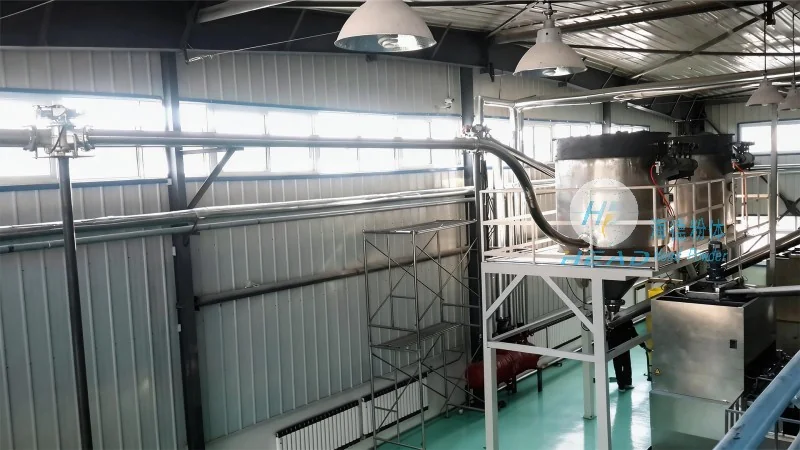
The key differentiators between positive and negative pressure conveying for tungsten carbide include material properties, system complexity, and operational efficiency. Positive pressure systems are generally more robust and capable of handling higher material loads, making them suitable for high-throughput applications. In contrast, negative pressure systems offer gentler handling, which is advantageous for fragile or high-value tungsten carbide components. Additionally, the cost and maintenance requirements vary; positive pressure systems may require more powerful equipment and regular maintenance of the pressure source, while negative pressure systems rely on efficient vacuum pumps and may have lower operational costs for certain applications.
When deciding between positive and negative pressure for tungsten carbide conveying, several factors must be evaluated. The particle size and density of the tungsten carbide material play a significant role in determining the optimal system. Coarser particles may benefit from the forceful transport of positive pressure, whereas fine powders are better suited to the controlled suction of negative pressure. The distance and layout of the conveying line also influence the choice, as longer distances typically favor positive pressure due to its ability to maintain consistent pressure and flow. Furthermore, the presence of contaminants or the need for dust collection systems can impact the selection, as both methods can be integrated with filtration and dust control measures to ensure environmental compliance.
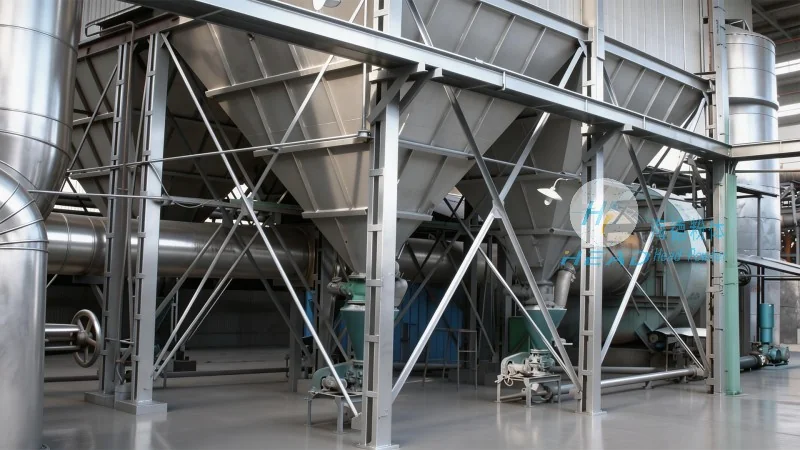
Ultimately, the decision between positive pressure and negative pressure for tungsten carbide conveying should be based on a thorough analysis of the application's specific requirements. Positive pressure systems excel in high-volume, abrasive material transport, while negative pressure systems provide gentle handling for delicate components. By carefully assessing material characteristics, system requirements, and operational goals, manufacturers can select the most appropriate conveying method to enhance efficiency, maintain product quality, and ensure long-term system performance. As a leading provider of specialized engineering solutions, Shandong HeadPowder Engineering Co., Ltd. offers tailored conveying systems that address the unique challenges of tungsten carbide processing, ensuring optimal performance and reliability for industrial applications.

 Shandong Headpowder Engineering Co., Ltd.
 156-6277-7102(Manager Zhang)
  0531-83386006
  Zhangqiu District, Jinan City, Shandong Province, China
telephone
WeChatconsult
top