With more than 10‑year industry experience, Shandong Headpowder delivers full‑service pneumatic‑conveying systems and blowers, undertaking nationwide turn‑key powder‑handling projects.
Organic fertilizer pneumatic conveying is a technology used to transport organic fertilizers through a pipeline system using air as the conveying medium. This method is widely adopted in the agricultural and fertilizer processing industries due to its efficiency and ability to handle bulk materials without the need for mechanical components like belts or buckets. The process involves creating a flow of air within a pipeline, which lifts and moves the organic fertilizer particles from the source to the destination. The design of such a system is crucial for ensuring optimal performance, reliability, and safety.
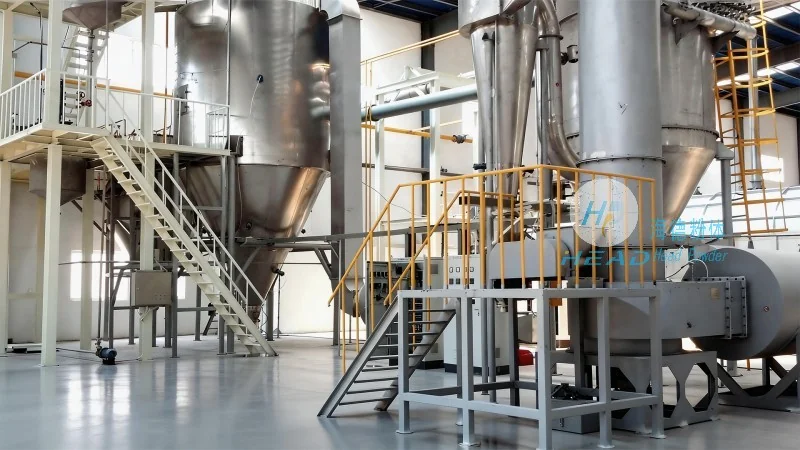
Shandong HeadPowder Engineering Co., Ltd., a leading manufacturer in the field, specializes in the design and production of pneumatic conveying systems tailored for organic fertilizers. With a focus on innovation and adherence to industry standards, the company has developed advanced solutions that address the unique challenges associated with organic fertilizer handling, such as variability in particle size, moisture content, and bulk density. The company's headquarters is located in Shandong, China, where it leverages local expertise and resources to deliver high-quality products and services to clients worldwide.
The design of an organic fertilizer pneumatic conveying system involves several critical principles that ensure efficient and safe operation. First, the selection of the appropriate conveying air velocity is essential. The velocity must be high enough to overcome the resistance of the material in the pipeline but not so high as to cause excessive wear on the system components or lead to particle degradation. Engineers typically calculate the air velocity based on the material's properties, such as its bulk density and particle size distribution, to achieve a balance between conveying efficiency and energy consumption.
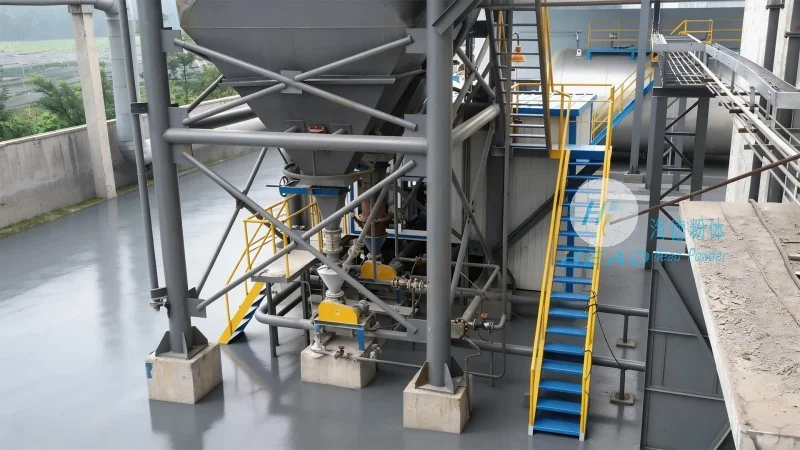
Second, the system's layout and pipeline configuration play a vital role in its performance. The pipeline design must consider factors like the length and elevation changes between the source and destination, as well as the number of bends and fittings. Properly designed bends and fittings minimize pressure losses and prevent material accumulation, which can lead to blockages. Additionally, the use of appropriate materials for the pipeline, such as stainless steel or corrosion-resistant alloys, is critical to withstand the chemical and physical properties of organic fertilizers, which may be acidic or contain abrasive particles.
A typical organic fertilizer pneumatic conveying system consists of several key components, each with a specific function. The primary components include the material feed hopper, the air compressor or blower, the conveying pipeline, the control system, and the discharge equipment. The feed hopper is responsible for storing and feeding the organic fertilizer into the system, ensuring a consistent flow of material. The air compressor or blower generates the necessary air pressure to move the material through the pipeline. The conveying pipeline transports the material and air mixture from the source to the destination. The control system monitors and regulates the air pressure, flow rate, and material feed rate to maintain optimal operation. Finally, the discharge equipment, such as a rotary valve or a pressure vessel, collects the conveyed material at the end of the pipeline.
Organic fertilizer pneumatic conveying offers several advantages over traditional mechanical conveying methods. One of the most significant benefits is the ability to handle bulk materials without the need for intermediate storage or handling equipment, reducing labor costs and operational complexity. The system also provides a hygienic and dust-free environment, which is crucial for organic fertilizers that may contain pathogens or be sensitive to moisture. Furthermore, pneumatic conveying systems can be easily integrated with other processing equipment, such as mixing or granulation units, to create a seamless production line. The energy efficiency of the system, particularly when using high-efficiency blowers, contributes to lower operational costs and reduced environmental impact.
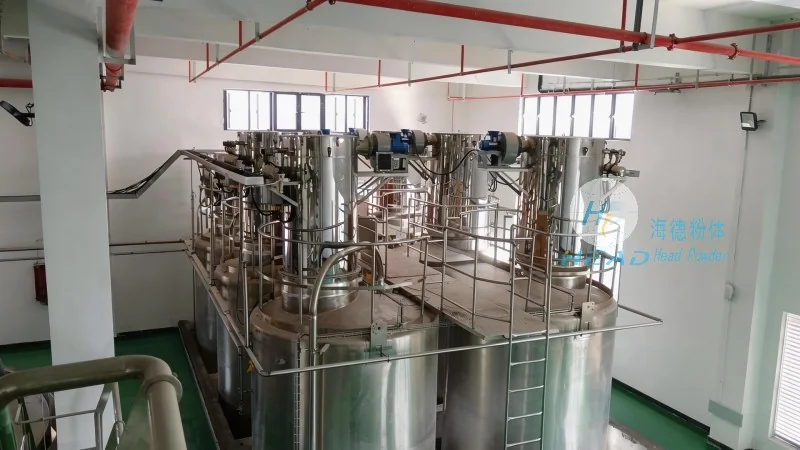
When designing an organic fertilizer pneumatic conveying system, several factors must be carefully considered to ensure long-term reliability and performance. First, the variability of the organic fertilizer feedstock must be evaluated. Organic fertilizers, such as compost or manure, often have inconsistent particle sizes and moisture content, which can affect the system's performance. Engineers may incorporate features like pre-screening or moisture control to mitigate these variations. Second, the system's capacity and throughput requirements must be determined based on the production scale and operational needs. The air compressor's capacity and the pipeline diameter are critical parameters that directly impact the system's ability to handle the desired material flow rate. Third, safety considerations are paramount, especially when dealing with organic fertilizers that may be flammable or produce dust. Proper ventilation, explosion-proof components, and emergency shutdown systems are essential to prevent accidents and ensure worker safety.
Organic fertilizer pneumatic conveying is a sophisticated and efficient method for transporting organic fertilizers, and its design principles are critical to achieving optimal performance. Shandong HeadPowder Engineering Co., Ltd. specializes in providing tailored solutions that address the unique challenges of organic fertilizer handling, leveraging advanced engineering and industry expertise. By adhering to the key design principles outlined above, and considering factors such as material properties, system layout, and safety, engineers can develop reliable and efficient pneumatic conveying systems that meet the demands of modern agricultural and fertilizer processing operations.

 Shandong Headpowder Engineering Co., Ltd.
 156-6277-7102(Manager Zhang)
  0531-83386006
  Zhangqiu District, Jinan City, Shandong Province, China
telephone
WeChatconsult
top