With more than 10‑year industry experience, Shandong Headpowder delivers full‑service pneumatic‑conveying systems and blowers, undertaking nationwide turn‑key powder‑handling projects.
Charcoal powder, a widely used material in various industrial applications such as filtration, adsorption, and chemical processing, often requires efficient and reliable transportation methods. Pneumatic conveying systems have emerged as a critical solution for handling fine powders like charcoal, offering advantages over traditional mechanical conveying methods. This technical analysis explores the two primary modes of pneumatic conveying—positive pressure and negative pressure—and compares their applications, advantages, and limitations in the context of charcoal powder handling.
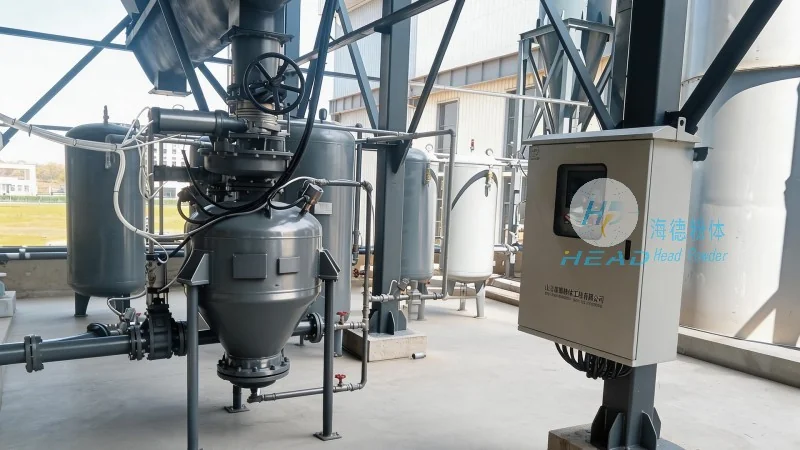
Pneumatic conveying systems utilize air or gas to transport bulk materials through a pipeline. The two main modes are positive pressure and negative pressure, each with distinct operational principles and suitability for different material characteristics and process requirements.
Positive pressure conveying operates by blowing air or gas into the material to be transported, creating a pressure higher than the ambient air pressure. This method is particularly effective for transporting fine powders like charcoal powder, as it can handle high material loads and maintain consistent flow rates. The system typically includes a blower or compressor at the inlet, which generates the necessary pressure to move the material through the pipeline.
Key advantages of positive pressure conveying for charcoal powder include its ability to handle abrasive materials without significant wear on the system components, as the material is carried by the air stream rather than sliding against the pipe walls. Additionally, this mode is suitable for long-distance transportation and can accommodate vertical and horizontal pipeline configurations, making it versatile for complex process layouts.
However, positive pressure systems may face challenges with material segregation and dust accumulation, especially when dealing with fine charcoal powders that have a tendency to settle or agglomerate. Proper system design, including appropriate air velocities and pipeline diameters, is crucial to prevent blockages and ensure smooth operation. The equipment used, such as rotary valves and cyclone separators, must be selected to minimize material degradation and maintain product quality.
Negative pressure conveying, also known as suction conveying, works by creating a vacuum at the inlet of the system, drawing the material into the pipeline using the pressure difference between the system and the ambient environment. This mode is often preferred for applications where the material is to be transported from a source with a higher elevation or where dust control is a priority.
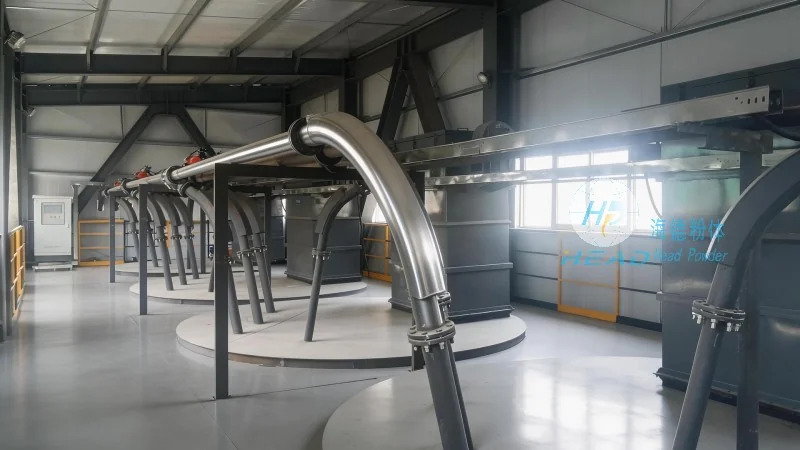
For charcoal powder, negative pressure conveying offers benefits such as reduced noise levels and lower energy consumption compared to positive pressure systems. The vacuum created at the inlet helps to capture and transport fine particles efficiently, minimizing dust emissions during the process. This mode is particularly suitable for handling materials that are sensitive to pressure changes or for applications where the material needs to be collected from multiple points and transported to a central processing unit.
Nevertheless, negative pressure systems have limitations, including lower material capacity compared to positive pressure systems and potential issues with pipeline blockages due to the lower air velocity. The system requires careful maintenance to prevent dust ingress and ensure consistent performance. The use of filters and cyclone separators is essential to maintain air quality and prevent damage to downstream equipment.
When selecting a pneumatic conveying system for charcoal powder, it is essential to evaluate the specific requirements of the application, including material characteristics, transportation distance, and process constraints. The choice between positive and negative pressure modes depends on several factors, including the material's flowability, dust generation, and the need for energy efficiency.
Positive pressure conveying is generally more suitable for high-volume, long-distance transportation of charcoal powder, especially in industrial settings where the material is to be processed in large batches. The system's ability to handle abrasive materials and maintain consistent flow rates makes it ideal for continuous production lines. However, the higher energy consumption and potential for dust accumulation may require additional investment in filtration and maintenance.
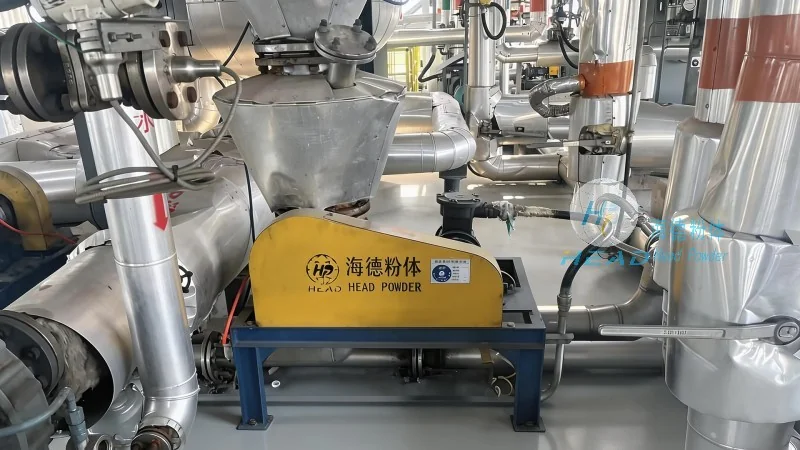
Negative pressure conveying, on the other hand, is preferred for applications where dust control and noise reduction are critical, such as in food processing or pharmaceutical industries. The lower energy consumption and ability to handle fine particles make it suitable for processes that require high product purity. The main drawback is the lower material capacity and the need for more frequent maintenance to prevent blockages.
Designing an effective pneumatic conveying system for charcoal powder involves careful consideration of several parameters, including air velocity, pipeline diameter, and system pressure. The air velocity must be sufficient to prevent material settling but not so high as to cause excessive wear on the equipment. The pipeline diameter is also critical, as it affects the system's capacity and energy consumption. Proper sizing ensures efficient material transport while minimizing energy costs.
Component selection is another critical aspect of system design. The choice of blower or vacuum pump, rotary valves, and cyclone separators must be based on the material's properties and the system's operational requirements. For charcoal powder, which is abrasive and fine, components made of corrosion-resistant materials, such as stainless steel or special alloys, are recommended to extend the system's lifespan and maintain product quality.
Maintenance and operational monitoring are essential to ensure the long-term performance of the pneumatic conveying system. Regular cleaning of filters and cyclone separators, inspection of pipeline integrity, and monitoring of air pressure and flow rates help to prevent system failures and ensure consistent material transport. Proper training of operators on system operation and maintenance is also crucial to maximize the system's efficiency and lifespan.
Pneumatic conveying systems are a vital technology for handling charcoal powder in various industrial applications. The choice between positive and negative pressure modes depends on the specific requirements of the process, including material characteristics, transportation distance, and operational constraints. Positive pressure conveying offers high capacity and versatility, while negative pressure conveying provides advantages in dust control and energy efficiency. By carefully evaluating these factors and selecting the appropriate system design, industrial facilities can achieve efficient and reliable transportation of charcoal powder, ensuring optimal performance and product quality.

 Shandong Headpowder Engineering Co., Ltd.
 156-6277-7102(Manager Zhang)
  0531-83386006
  Zhangqiu District, Jinan City, Shandong Province, China
telephone
WeChatconsult
top