With more than 10‑year industry experience, Shandong Headpowder delivers full‑service pneumatic‑conveying systems and blowers, undertaking nationwide turn‑key powder‑handling projects.
Industrial salt pneumatic conveying is a method used to transport bulk materials like industrial salt through a pipeline using air or gas as the conveying medium. This technology is widely applied in various industries due to its efficiency, flexibility, and ability to handle materials that are difficult to transport by traditional methods such as belt conveyors or trucks. The process involves creating a flow of air within a pipeline, which lifts and moves the salt particles from the source to the destination. This approach is particularly beneficial for applications where dust control, material handling in confined spaces, or the need to avoid product contamination is critical.
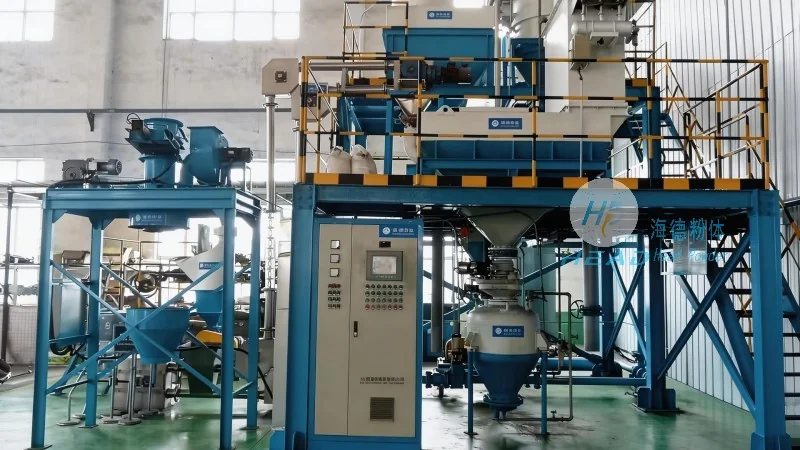
HeadPowder, formally known as Shandong HeadPowder Engineering Co., Ltd., is a leading provider of industrial conveying solutions. With its headquarters located in Shandong, China, the company specializes in designing, manufacturing, and implementing advanced pneumatic conveying systems tailored to the specific needs of various industries. HeadPowder's expertise lies in understanding the unique challenges of material handling, particularly with bulk materials like industrial salt, and developing customized solutions that enhance operational efficiency and safety.
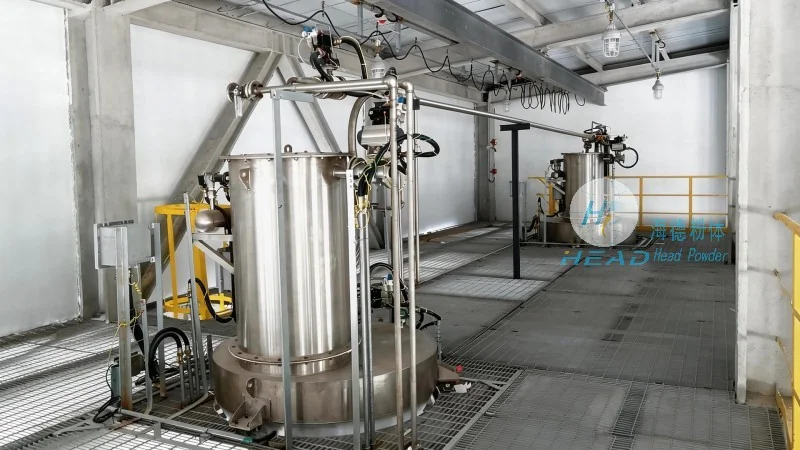
The design of an industrial salt pneumatic conveying system involves several key principles that ensure optimal performance and reliability. The first principle is the selection of the appropriate conveying medium, typically air or a combination of air and other gases. The velocity of the air within the pipeline is a critical factor, as it must be sufficient to lift the salt particles and maintain a stable flow. This velocity is often determined based on the particle size, density, and flow rate requirements of the system. Another key design consideration is the pipeline layout, which includes the length, diameter, and number of bends. The layout must be designed to minimize pressure drop and prevent material buildup or blockages. Additionally, the system incorporates components such as feeders, cyclones, and filters to control the flow and separate the conveyed material from the air. The design also takes into account factors like dust suppression, energy efficiency, and maintenance requirements to ensure long-term operational performance.
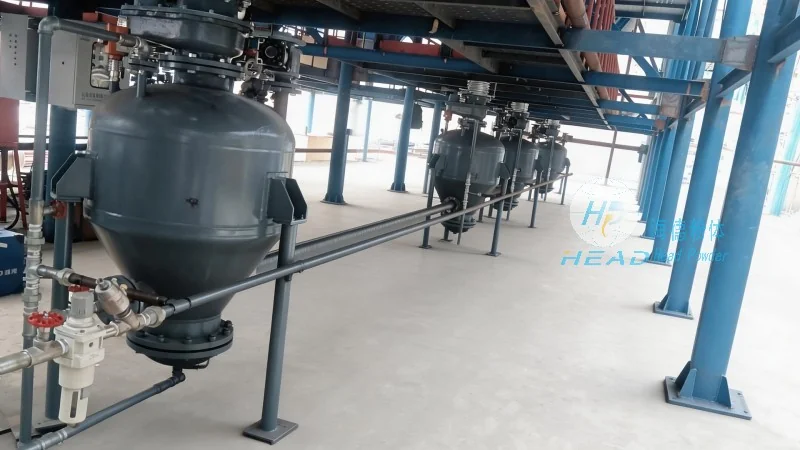
Several key components are integral to the operation of an industrial salt pneumatic conveying system. The feed hopper is responsible for storing and feeding the industrial salt into the pipeline. It is designed to handle the bulk material and ensure a consistent flow. The air compressor or blower provides the necessary pressure and airflow to move the salt particles. The pipeline system, which includes straight sections and bends, transports the material from the source to the destination. Cyclones are used to separate the salt from the air stream, allowing the material to be collected in a hopper or storage bin. Filters are essential for removing any remaining dust or particles from the exhaust air, ensuring compliance with environmental regulations and maintaining air quality. The control system manages the operation of the components, monitoring pressure, flow, and other parameters to ensure the system runs smoothly and efficiently.

Implementing an industrial salt pneumatic conveying system offers numerous benefits for industrial operations. One of the primary advantages is the ability to handle materials in a dust-free environment, which improves worker safety and product quality. The system also allows for the transportation of materials over long distances or in confined spaces where traditional methods are not feasible. Additionally, pneumatic conveying systems are more energy-efficient compared to other bulk material handling methods, as they use less power to move the material. The flexibility of the system allows for easy integration with existing production lines and the ability to adjust the flow rate as needed. Furthermore, the system reduces the risk of material contamination and damage, which is crucial for industrial salt used in various applications such as de-icing, water treatment, and chemical manufacturing.

 Shandong Headpowder Engineering Co., Ltd.
 156-6277-7102(Manager Zhang)
  0531-83386006
  Zhangqiu District, Jinan City, Shandong Province, China
telephone
WeChatconsult
top