With more than 10‑year industry experience, Shandong Headpowder delivers full‑service pneumatic‑conveying systems and blowers, undertaking nationwide turn‑key powder‑handling projects.
When it comes to transporting carburizing dust purification slurry, selecting the right type of pneumatic conveying system is crucial. The two primary options are positive pressure and negative pressure systems. Understanding the differences between these two approaches is essential for ensuring efficient, reliable, and cost-effective operation. This article will explore the characteristics, advantages, and disadvantages of both positive and negative pressure systems, and provide guidance on how to determine which is more suitable for a specific application.
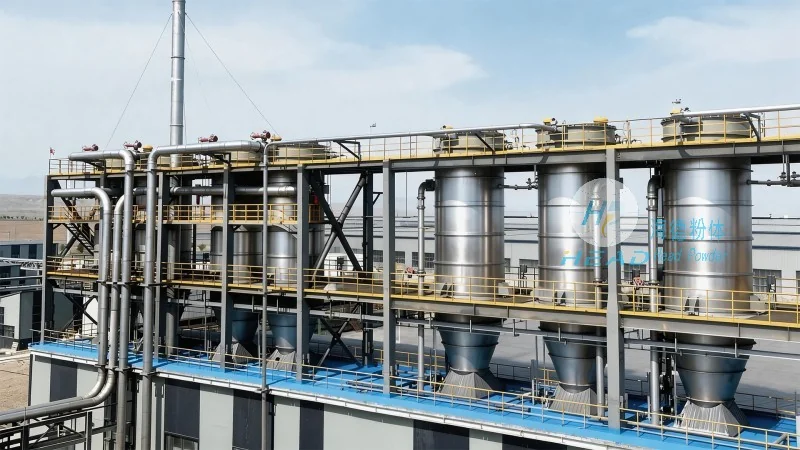
Positive pressure conveying systems operate by blowing air or gas into the material to be transported. The pressure inside the system is higher than the ambient air pressure, which forces the material through the pipeline. This method is often used for short to medium distance transport and for materials that are not too abrasive or corrosive. The system typically includes a blower or compressor at the inlet, which supplies the necessary pressure to move the material.
One of the key advantages of positive pressure systems is their ability to handle a wide range of materials, including those with high moisture content or those that are prone to caking. The high pressure also helps to maintain the integrity of the material, preventing it from breaking down or becoming contaminated. Additionally, positive pressure systems are generally easier to install and maintain, as they do not require complex vacuum equipment.
However, positive pressure systems may not be suitable for long-distance transport or for materials that are very fine and light, as the pressure drop can become significant over long distances. They also require careful consideration of the system's power consumption and noise levels, as the blower or compressor can be a major source of energy use and noise pollution.
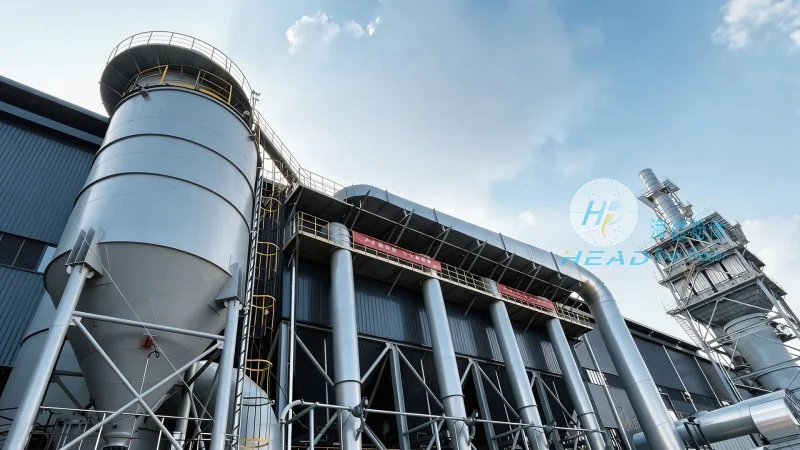
Negative pressure conveying systems, also known as vacuum systems, operate by creating a vacuum at the inlet of the system. The material is drawn into the pipeline by the suction created by the vacuum pump. This method is commonly used for long-distance transport and for materials that are very fine or light, such as powders or dusts. The system typically includes a vacuum pump at the inlet, which creates the necessary suction to draw the material into the pipeline.
One of the main advantages of negative pressure systems is their ability to transport materials over long distances with relatively low energy consumption. The vacuum pump can be located at the inlet or at the outlet, depending on the system design, and it can be sized to handle the specific material and distance requirements. Additionally, negative pressure systems are often more suitable for materials that are sensitive to pressure or that need to be handled gently, as the low pressure environment reduces the risk of material degradation.
Nevertheless, negative pressure systems have some drawbacks. The vacuum pump can be more complex and expensive to maintain compared to a blower or compressor. The system is also more susceptible to clogging, as the material is drawn into the pipeline under suction, which can cause particles to stick to the walls of the pipe. Furthermore, the vacuum system may require additional filtration to prevent dust from escaping into the environment, which can increase maintenance costs.
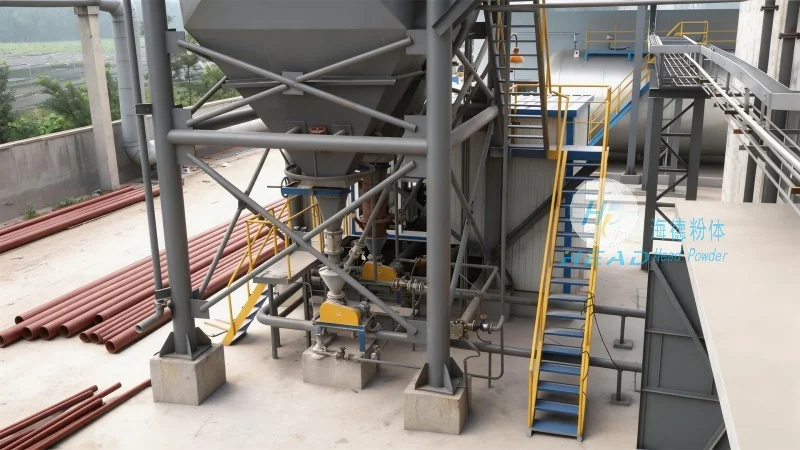
Choosing between positive and negative pressure systems depends on several factors, including the nature of the material being transported, the distance over which it needs to be moved, and the overall system requirements. Here are some key considerations to help make the right choice:
First, consider the material properties. If the material is coarse, abrasive, or has high moisture content, a positive pressure system may be more appropriate, as the higher pressure can help to prevent caking and maintain material integrity. Conversely, if the material is fine, light, or prone to dusting, a negative pressure system may be better suited, as the suction can handle the material more gently and prevent it from escaping the system.
Second, evaluate the transport distance. Positive pressure systems are generally more suitable for short to medium distances, typically up to a few hundred meters, due to the pressure drop that occurs over longer distances. Negative pressure systems, on the other hand, can handle longer distances, often up to several kilometers, with lower energy consumption. For long-distance transport, a negative pressure system is usually the better option.
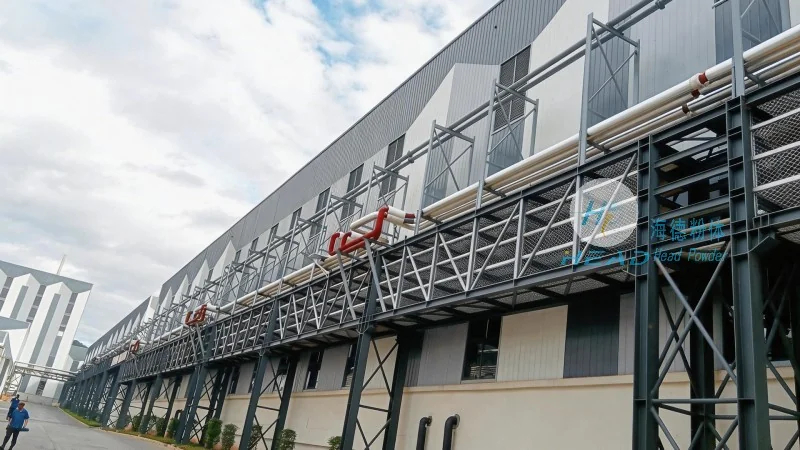
Third, assess the system's energy efficiency and noise levels. Positive pressure systems may require more energy to operate, especially for long distances, as the blower or compressor must maintain a higher pressure. Negative pressure systems can be more energy-efficient for long distances, as the vacuum pump can be sized to handle the specific load. In terms of noise, both systems can be noisy, but negative pressure systems may be slightly quieter due to the lower pressure levels.
Fourth, consider the installation and maintenance requirements. Positive pressure systems are generally easier to install and maintain, as they do not require complex vacuum equipment. Negative pressure systems, however, may require more specialized equipment and expertise for installation and maintenance, particularly for long-distance applications.
Ultimately, the choice between positive and negative pressure for carburizing dust purification slurry transport depends on a careful evaluation of the material properties, transport distance, energy efficiency, and system requirements. By understanding the characteristics and limitations of each system, operators can select the most appropriate conveying method to ensure efficient and reliable operation. Whether opting for a positive pressure or negative pressure system, the goal is to achieve optimal performance while minimizing costs and ensuring the safety of the personnel and the environment.

 Shandong Headpowder Engineering Co., Ltd.
 156-6277-7102(Manager Zhang)
  0531-83386006
  Zhangqiu District, Jinan City, Shandong Province, China
telephone
WeChatconsult
top