With more than 10‑year industry experience, Shandong Headpowder delivers full‑service pneumatic‑conveying systems and blowers, undertaking nationwide turn‑key powder‑handling projects.
When it comes to transporting flocculant dry powders, selecting the right conveying system is crucial for efficiency, safety, and operational reliability. Two primary methods dominate the industry: positive pressure conveying and negative pressure (vacuum) conveying. Each approach has distinct characteristics, advantages, and limitations that must be carefully evaluated to ensure optimal performance. This article explores the key differences between these two systems, helping you make an informed decision based on your specific application requirements.
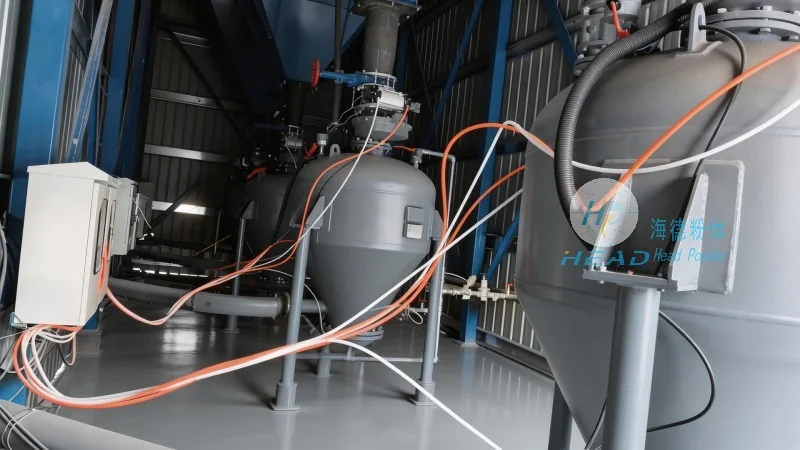
Flocculant dry powders are widely used in water treatment, chemical processing, and industrial applications due to their ability to enhance solid-liquid separation and improve process efficiency. However, their fine particle size and hygroscopic nature make conventional handling challenging. Conveying systems are essential to move these powders from storage to processing equipment without degradation or loss. The choice between positive pressure and negative pressure conveying directly impacts system performance, energy consumption, and maintenance costs.
Positive pressure conveying systems operate by forcing air or gas through the material, creating a pressure differential that propels the powder. This method is often preferred for long-distance or high-resistance applications, as it can maintain consistent flow rates over extended lengths. The primary advantage of positive pressure systems is their ability to handle high volumes and overcome significant frictional losses in the pipeline. For flocculant powders, this means reliable transport even in complex layouts with multiple bends, valves, and process equipment. However, positive pressure systems may generate more dust and require robust sealing to prevent leakage, which can be a concern in environments where air quality is critical.
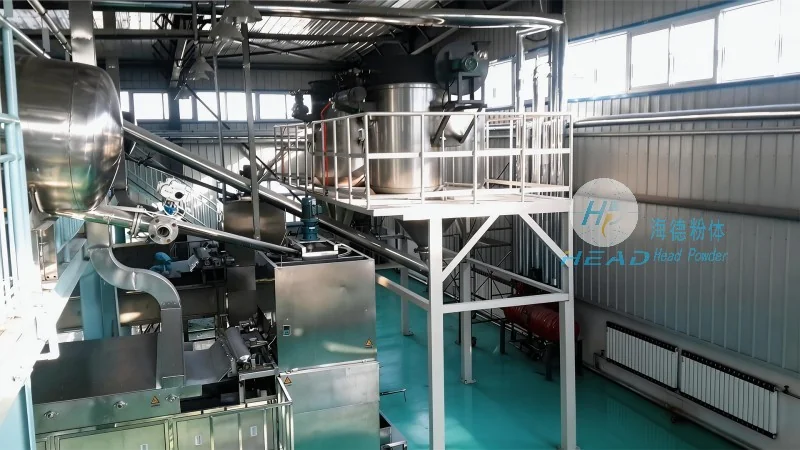
Negative pressure conveying, also known as vacuum conveying, works by creating a partial vacuum in the pipeline to draw the material from the source. This method is typically used for shorter distances or applications where low noise and minimal dust generation are priorities. The vacuum system pulls the powder through the line, making it suitable for handling sensitive or hygroscopic materials without exposing them to high pressures. A key benefit of negative pressure systems is their lower energy consumption compared to positive pressure systems, as they rely on the vacuum pump to create suction rather than compressing air. However, the suction capacity is limited by the vacuum pump's power and the material's properties, which may restrict the maximum conveying distance or throughput.
The decision between positive and negative pressure conveying hinges on several critical factors. First, the required conveying distance is a primary determinant. Positive pressure systems are generally more suitable for distances exceeding 100 meters or when the pipeline includes numerous components that increase resistance. Negative pressure systems, on the other hand, are ideal for short to medium distances, typically up to 50 meters, where the material's flow characteristics allow for efficient suction. Second, the physical properties of the flocculant powder play a significant role. Materials with high dustiness or low bulk density may perform better with positive pressure systems, as the forced air helps maintain flow, whereas vacuum systems may struggle with cohesive or sticky powders. Third, operational considerations such as noise levels and air quality must be evaluated. Positive pressure systems can be louder due to the compressor, while negative pressure systems are quieter and produce less air pollution. Finally, the total cost of ownership—including initial investment, energy consumption, and maintenance—should be weighed to ensure the chosen system aligns with budgetary constraints and long-term operational goals.
At a glance, the most obvious distinction between positive and negative pressure systems lies in their power source and operational principle. Positive pressure systems utilize a positive displacement blower or compressor to generate pressure, pushing the material through the pipeline. The system operates at a pressure above atmospheric, ensuring the material is forced forward. In contrast, negative pressure systems employ a vacuum pump to create a pressure lower than atmospheric, drawing the material into the line. This fundamental difference affects the system's design, with positive pressure systems requiring more robust piping and sealing to prevent air leakage, while negative pressure systems need efficient filtration to manage the vacuum and prevent material clogging.
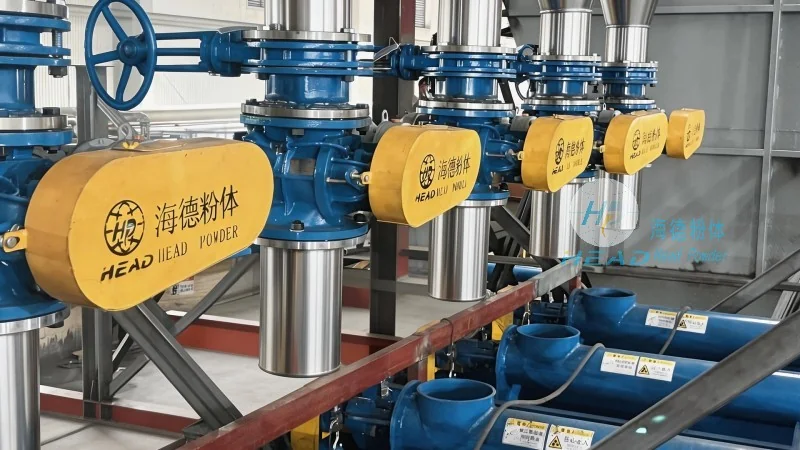
For optimal selection, start by assessing your specific application needs. If your process involves long-distance transport or complex piping networks, a positive pressure system is likely the better choice due to its ability to maintain flow over extended distances and handle high resistance. Conversely, if your conveying distance is short, the material is sensitive to pressure, or noise and air quality are concerns, a negative pressure system may offer superior performance. It is also advisable to consult with conveying system experts, as they can provide tailored solutions based on your material's characteristics and operational environment. For instance, some systems combine elements of both approaches, such as using a positive pressure booster to enhance suction in a vacuum system, offering a hybrid solution that balances efficiency and cost.
Shandong HeadPowder Engineering Co., Ltd. is a leading provider of specialized conveying solutions for industrial applications, including flocculant dry powders. With headquarters in Shandong, China, the company focuses on delivering high-quality, reliable systems that meet the unique demands of water treatment and chemical processing industries. By combining advanced technology with expert engineering, HeadPowder ensures that clients receive tailored solutions that enhance operational efficiency and safety. The company's commitment to innovation and customer satisfaction has established it as a trusted partner in the field of material handling and process optimization.

 Shandong Headpowder Engineering Co., Ltd.
 156-6277-7102(Manager Zhang)
  0531-83386006
  Zhangqiu District, Jinan City, Shandong Province, China
telephone
WeChatconsult
top