

Technical Analysis of Coal Ash Pneumatic Conveying Systems: Comparison of Positive and Negative Pres
Coal ash, a byproduct of coal combustion, is commonly handled in power plants and industrial facilities. Efficient and reliable transportation of coal ash is crucial for maintaining operational efficiency and environmental compliance. Pneumatic conveying systems offer a versatile solution for this purpose, with two primary modes: positive pressure and negative pressure. This article provides a technical analysis of these two modes, comparing their characteristics, advantages, and applications, to help industrial operators make informed decisions when selecting a coal ash conveying system. The information is based on the expertise of Shandong HeadPowder Engineering Co., Ltd., a leading provider of coal ash handling solutions.
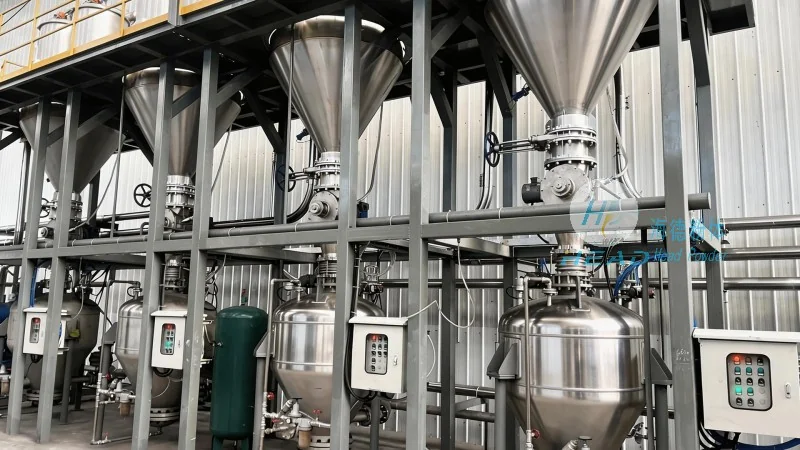
Introduction to Pneumatic Conveying Systems for Coal Ash
Pneumatic conveying systems use air or gas to transport bulk materials like coal ash through a pipeline network. The system consists of a blower, a hopper for material storage, a conveyor line, and a discharge point. The choice between positive and negative pressure systems depends on factors such as material properties, distance, and system complexity. Understanding the differences between these two modes is essential for optimizing the performance and cost-effectiveness of coal ash handling operations.
Positive Pressure Conveying Mode
Positive pressure systems operate by blowing air or gas into the conveyor line, creating a pressure higher than the ambient air pressure. The material is drawn into the pipeline by the pressure differential and is transported to the discharge point. This mode is suitable for short to medium distances and for materials that are not highly abrasive or corrosive. The primary advantage of positive pressure systems is their ability to handle a wide range of materials, including fine powders and granules. They are also relatively simple to install and maintain, as they do not require a vacuum source.
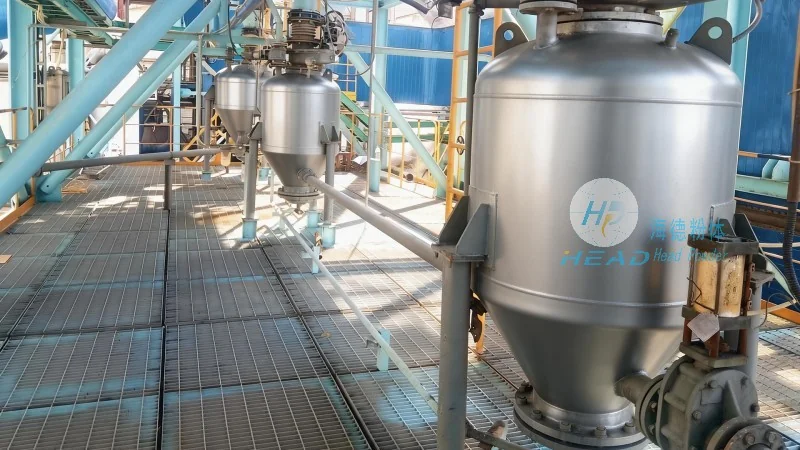
In a positive pressure system, the blower is located at the material inlet, and the discharge point is at the end of the pipeline. The air is introduced at a high velocity, which helps to suspend the material particles and prevent blockages. The system is typically used for conveying coal ash from storage silos to processing equipment or for transporting ash to disposal sites. The pressure in the system is maintained by the blower, which can be adjusted to control the flow rate and pressure. Positive pressure systems are generally more energy-efficient than negative pressure systems, as they do not require a vacuum pump to pull material into the line.
Negative Pressure Conveying Mode
Negative pressure systems, also known as vacuum systems, operate by creating a vacuum in the conveyor line, which draws material from the inlet and transports it to the discharge point. The material is drawn into the pipeline by the pressure difference between the inlet and the discharge point. This mode is suitable for longer distances and for materials that are more abrasive or corrosive. The primary advantage of negative pressure systems is their ability to handle longer conveying distances and to transport materials from multiple sources to a single discharge point. They are also more flexible in terms of layout, as the inlet can be located at various points along the pipeline.
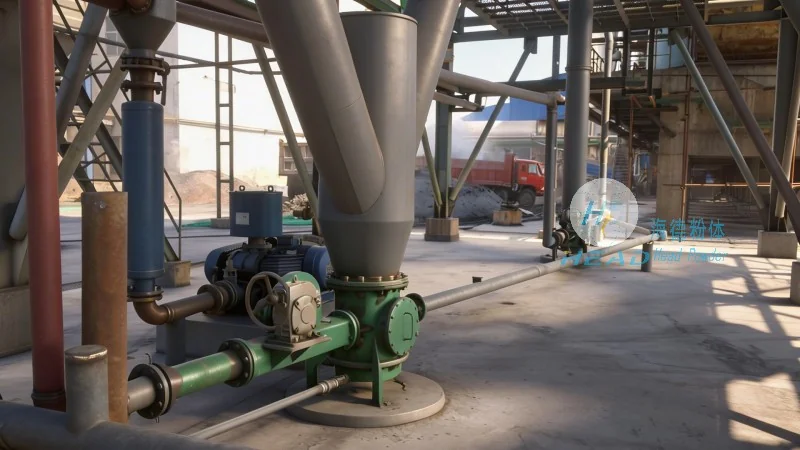
In a negative pressure system, the vacuum pump is located at the discharge point, and the material inlet is at the beginning of the pipeline. The vacuum is created by the pump, which pulls the material into the line. The system is typically used for conveying coal ash from multiple hoppers to a central processing facility or for transporting ash from a disposal site back to a storage area. The vacuum level is maintained by the pump, which can be adjusted to control the flow rate and pressure. Negative pressure systems are generally more energy-intensive than positive pressure systems, as they require a vacuum pump to create the pressure differential.
Comparison of Positive and Negative Pressure Conveying Modes
When comparing positive and negative pressure systems for coal ash conveying, several factors should be considered. The first factor is the conveying distance. Positive pressure systems are generally suitable for distances up to 100 meters, while negative pressure systems can handle distances up to several hundred meters. The second factor is the material properties. Positive pressure systems are better suited for fine powders and non-abrasive materials, while negative pressure systems are more suitable for coarse particles and abrasive materials. The third factor is the system layout. Positive pressure systems are more suitable for linear layouts, while negative pressure systems are more flexible and can handle complex layouts with multiple inlets and outlets.
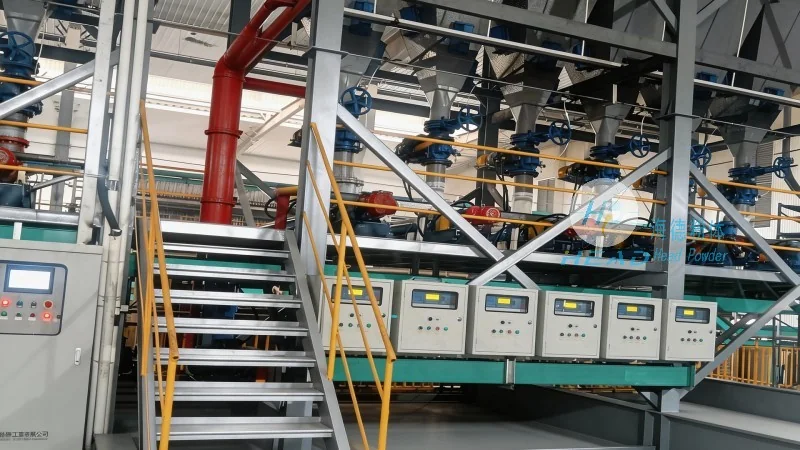
The choice between positive and negative pressure systems also depends on the energy consumption and cost. Positive pressure systems are generally more energy-efficient and have lower operating costs, while negative pressure systems have higher energy consumption and higher maintenance costs. The initial cost of a positive pressure system is lower than that of a negative pressure system, as it does not require a vacuum pump. However, the maintenance cost of a negative pressure system is lower, as the vacuum pump is less complex than the blower in a positive pressure system.
Applications of Pneumatic Conveying Systems in Coal Ash Handling
Pneumatic conveying systems are widely used in coal ash handling applications. Positive pressure systems are commonly used for conveying coal ash from storage silos to processing equipment, such as grinding mills or classifiers. They are also used for transporting ash to disposal sites, such as landfills or ash ponds. Negative pressure systems are commonly used for conveying coal ash from multiple hoppers to a central processing facility, or for transporting ash from a disposal site back to a storage area. They are also used for conveying ash from a power plant to a nearby industrial facility for reuse.