With more than 10‑year industry experience, Shandong Headpowder delivers full‑service pneumatic‑conveying systems and blowers, undertaking nationwide turn‑key powder‑handling projects.
When it comes to conveying algae powder, selecting the right system is crucial for efficiency and operational success. Two primary methods are commonly considered: positive pressure conveying and negative pressure conveying. Understanding the differences between these two approaches is essential for making an informed decision. This article will explore the characteristics, applications, and key factors to consider when choosing between positive and negative pressure systems for algae powder handling.
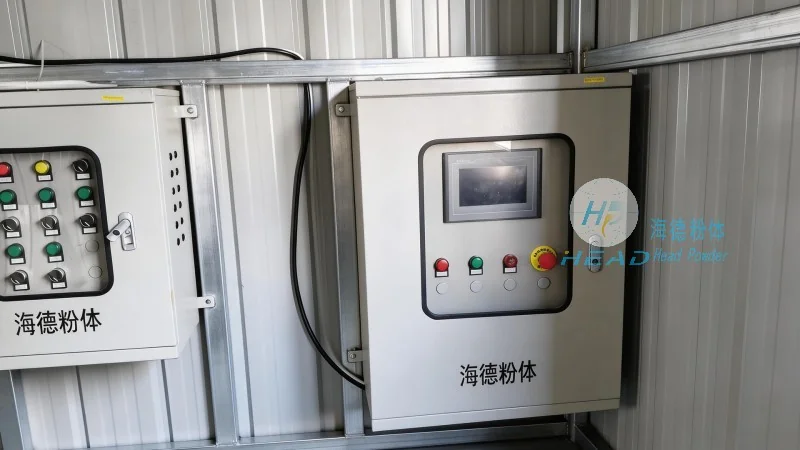
Algae powder, a key ingredient in various industries such as food, cosmetics, and biofuel production, requires specialized handling due to its fine particle size and potential for dust generation. Conveying systems are designed to transport this material from storage to processing equipment while maintaining product integrity and minimizing contamination. The choice between positive and negative pressure systems depends on several factors, including the material's properties, the distance to be covered, and the desired level of control over dust and air quality.
As a leading provider of conveying solutions, Shandong HeadPowder Engineering Co., Ltd. specializes in designing and manufacturing systems tailored to the unique needs of industries dealing with fine powders. With a focus on innovation and reliability, HeadPowder offers a range of equipment that ensures safe and efficient transport of materials like algae powder. The company's expertise in powder handling technology helps clients optimize their operations and reduce downtime.
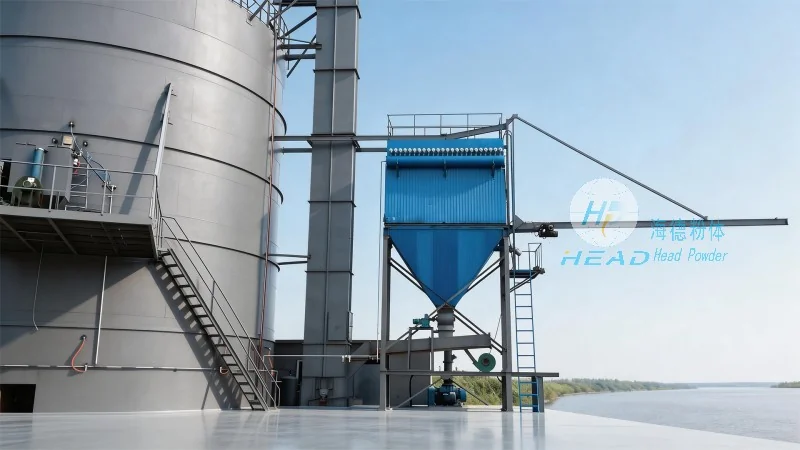
Positive pressure conveying systems operate by forcing air or gas through the material to be transported. The system creates a pressure higher than the surrounding environment, which propels the powder through the pipeline. This method is often used for short to medium distances and is suitable for materials that are non-explosive and non-hazardous. The positive pressure system typically includes a blower or fan that generates the necessary airflow, and the material is carried by the air stream in a dilute phase. The equipment used in positive pressure conveying includes hoppers, feeders, and flexible hoses or rigid pipes.
Negative pressure conveying, also known as vacuum conveying, works by creating a vacuum in the pipeline, which draws the material from the source into the system. The system uses a vacuum pump to reduce pressure, and the material is drawn along with the air into the collection container. This method is ideal for longer distances and for materials that are sensitive to pressure or temperature changes. Negative pressure systems are often used when the material is prone to dust generation or when the process requires a closed environment to prevent contamination.
Several key factors can help distinguish between positive and negative pressure conveying systems. First, consider the distance to be covered. Positive pressure systems are generally more suitable for shorter distances, typically up to a few hundred meters, while negative pressure systems can handle longer distances, sometimes exceeding a kilometer. Second, evaluate the material's properties. If the algae powder is fine and prone to dust, negative pressure may be preferred to prevent air leakage and maintain a clean environment. Third, assess the system's complexity and maintenance requirements. Positive pressure systems may require more frequent filter changes due to the higher air flow, while negative pressure systems may need more robust vacuum pumps.
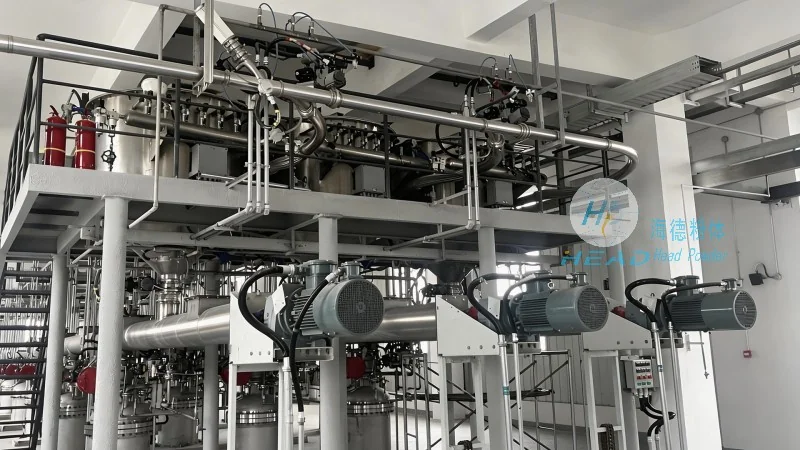
When deciding between positive and negative pressure conveying for algae powder, several factors should be taken into account. The first consideration is the material's particle size and flowability. Fine powders like algae powder may require a system that can handle low bulk density and prevent clogging. The second factor is the need for dust control. If the process requires a dust-free environment, negative pressure systems are often preferred as they can capture and filter the air. Third, the budget and available space are important. Positive pressure systems may be more cost-effective for short distances, while negative pressure systems may require more space for the vacuum pump and collection equipment.
Choosing between positive and negative pressure conveying systems for algae powder requires a careful evaluation of the specific application's needs. Positive pressure systems offer simplicity and efficiency for short-distance transport, while negative pressure systems provide better control over dust and longer-distance capabilities. By understanding the characteristics of each system and considering factors such as material properties, distance, and operational requirements, businesses can select the most suitable conveying solution. Shandong HeadPowder Engineering Co., Ltd. provides expert guidance and customized solutions to help clients achieve optimal performance in their algae powder handling operations.

 Shandong Headpowder Engineering Co., Ltd.
 156-6277-7102(Manager Zhang)
  0531-83386006
  Zhangqiu District, Jinan City, Shandong Province, China
telephone
WeChatconsult
top