With more than 10‑year industry experience, Shandong Headpowder delivers full‑service pneumatic‑conveying systems and blowers, undertaking nationwide turn‑key powder‑handling projects.
When it comes to transporting small stones or aggregates in industrial settings, selecting the right conveying method is crucial for efficiency, cost-effectiveness, and operational safety. Two primary options are widely used: positive pressure conveying and negative pressure conveying. Understanding the distinctions between these two systems is essential for making an informed decision that aligns with specific project requirements. This article will explore the key differences, advantages, and practical considerations of positive pressure and negative pressure conveying, focusing on their application in small stone transport.
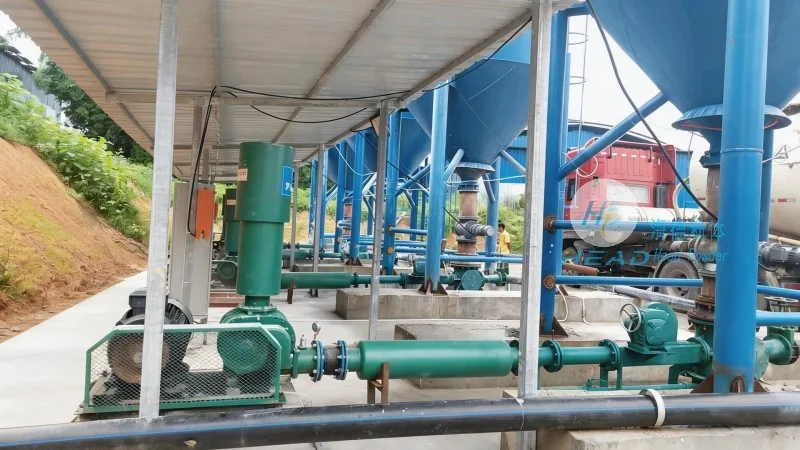
Positive pressure conveying, also known as pressure-fed or forced-air conveying, operates by blowing material through a pipeline using a positive pressure source, typically a blower or compressor. In this system, air is forced into the conveying line, creating a pressure higher than the ambient air pressure. The material is then carried along with the air stream, moving from the inlet to the outlet. This method is particularly effective for transporting dry, free-flowing materials like small stones, sand, and gravel, as it ensures consistent material flow and minimal blockages.
A key advantage of positive pressure conveying is its ability to handle longer distances and higher material loads. The positive pressure helps maintain a stable flow rate, reducing the risk of material settling or clogging in the pipeline. Additionally, this system is well-suited for applications where the material needs to be delivered to multiple points or elevated locations, as the pressure can be adjusted to overcome elevation changes. However, it is important to note that positive pressure systems require regular maintenance of the air filtration and separation equipment to prevent dust accumulation and ensure air quality compliance.
Negative pressure conveying, or vacuum conveying, works by creating a vacuum inside the conveying line, drawing material from the source into the system. The vacuum is generated by a vacuum pump, which pulls air and material particles from the inlet and transports them to the outlet. This method is ideal for handling fine powders and small particles, as the vacuum helps capture and transport even the most delicate materials without causing excessive wear on the equipment.
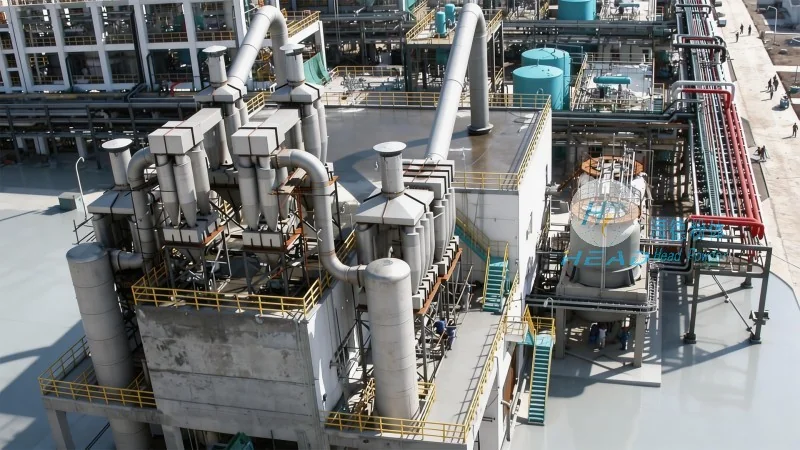
One of the main benefits of negative pressure conveying is its lower energy consumption compared to positive pressure systems, especially for short to medium distances. The vacuum pump operates at lower pressures, making it more energy-efficient for transporting smaller quantities of material. This system is also effective for applications where the material needs to be collected from multiple points or from a height, as the vacuum can be adjusted to create the necessary suction force. However, negative pressure conveying may face challenges with material blockages or clogging in the pipeline, particularly with larger or more abrasive stones, as the suction force can sometimes be insufficient to move heavier particles.
When deciding between positive and negative pressure conveying for small stone transport, several factors must be considered. The first is the material characteristics: positive pressure is generally preferred for larger, heavier stones that require higher force to move, while negative pressure may be more suitable for smaller, finer particles that are less abrasive. The second factor is the distance and elevation changes: positive pressure systems are better for longer distances or significant elevation changes due to their ability to maintain pressure, whereas negative pressure may be more efficient for shorter distances with minimal elevation changes.
The third consideration is the system's energy consumption and operational costs. Positive pressure systems typically require more energy to operate the blower, which can increase long-term operational costs, especially for large-scale operations. Negative pressure systems, on the other hand, are more energy-efficient for smaller applications, making them a cost-effective choice for shorter conveying distances. Additionally, the maintenance requirements differ: positive pressure systems need regular cleaning of air filters and separation equipment to prevent dust buildup, while negative pressure systems may require more frequent checks on the vacuum pump and suction lines to ensure optimal performance.
Positive pressure conveying is commonly used in the construction industry for transporting small stones from stockpiles to processing plants or to construction sites. For example, in a quarry operation, a positive pressure system can efficiently move crushed stones from the crushing area to a storage silo or to a batching plant. The system's ability to handle large volumes and maintain consistent flow makes it ideal for high-demand applications where reliability is critical.
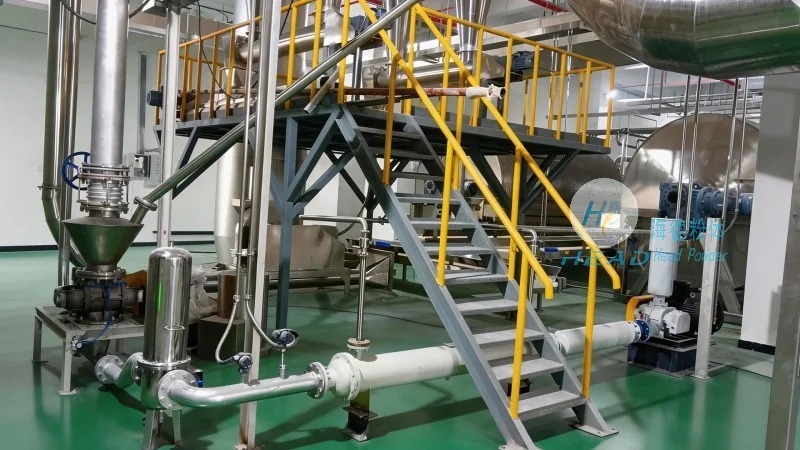
Negative pressure conveying is often employed in applications where fine stone dust or small particles need to be collected from a source, such as in a recycling facility or a stone processing plant. For instance, a negative pressure system can be used to collect dust from a stone grinding machine and transport it to a dust collector or a storage container. This method is particularly effective for capturing fine particles that might otherwise be lost to the environment, ensuring compliance with environmental regulations.
Choosing between positive pressure and negative pressure conveying for small stone transport depends on a variety of factors, including material characteristics, conveying distance, elevation changes, and operational costs. Positive pressure systems offer robust performance for larger stones and longer distances but require higher energy input and more maintenance. Negative pressure systems are more energy-efficient for shorter distances and finer particles but may struggle with larger or heavier stones and require careful monitoring to prevent clogging.
For optimal results, it is recommended to conduct a thorough analysis of the specific project requirements, including the type and size of stones, the distance and elevation changes, and the desired flow rate. Consulting with a conveying system expert, such as Shandong HeadPowder Engineering Co., Ltd., can provide valuable insights into the most suitable system for a particular application. By carefully evaluating these factors, businesses can select the most efficient and cost-effective conveying method, ensuring smooth operations and long-term success in small stone transport.

 Shandong Headpowder Engineering Co., Ltd.
 156-6277-7102(Manager Zhang)
  0531-83386006
  Zhangqiu District, Jinan City, Shandong Province, China
telephone
WeChatconsult
top