With more than 10‑year industry experience, Shandong Headpowder delivers full‑service pneumatic‑conveying systems and blowers, undertaking nationwide turn‑key powder‑handling projects.
Coal particle pneumatic conveying represents a sophisticated method for transporting bulk coal particles through pipelines utilizing air as the primary conveying medium. This technology has become integral to modern coal handling and processing operations, offering advantages such as dust control, reduced labor costs, and the ability to transport materials over considerable distances. The fundamental principle involves creating a flow of air within a pipeline that lifts and transports coal particles from a source to a destination, typically without the need for mechanical components like conveyors or elevators. Understanding both the operational mechanics and the underlying design principles is essential for optimizing system performance and ensuring reliable coal transportation in industrial settings.
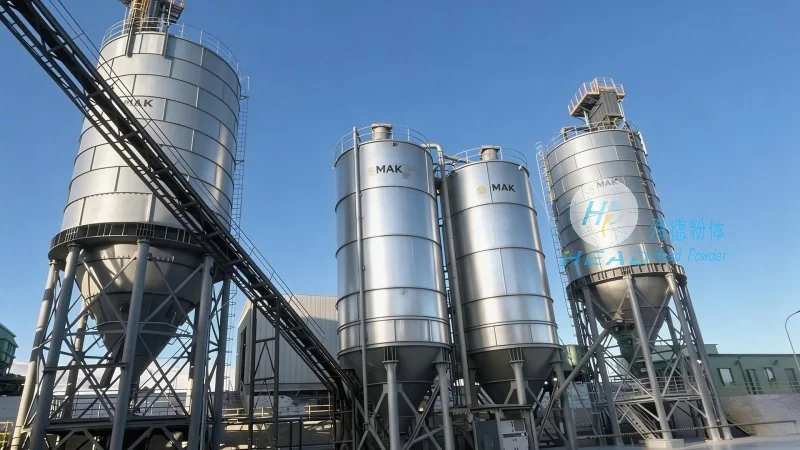
The coal particle pneumatic conveying system consists of several key components that work in tandem to achieve efficient material transport. The primary components include a hopper or feeder, which holds the coal and introduces it into the system; a blower or compressor that generates the necessary air flow; a pipeline network that conveys the coal-air mixture; and a receiver or discharge unit where the coal is deposited. The operation begins when coal particles are fed into the hopper, and air is introduced at a controlled rate. The air velocity within the pipeline must be sufficient to overcome the gravitational force acting on the coal particles, ensuring they remain suspended and transported. The system design must account for factors such as particle size, density, and moisture content, as these characteristics influence the required air flow rate and pressure to maintain stable conveying conditions.
Compared to traditional mechanical conveying methods, coal particle pneumatic conveying offers several distinct advantages. One of the most significant benefits is the ability to handle materials in a closed system, which minimizes dust emissions and improves workplace safety. This is particularly important in coal processing facilities where dust can pose health risks and environmental concerns. Additionally, pneumatic conveying systems can transport coal over long distances with minimal maintenance, as they lack moving parts that require regular lubrication or replacement. The flexibility of these systems also allows for easy integration with existing industrial infrastructure, enabling seamless material flow between different processing stages. Furthermore, the technology can be adapted to handle various coal types, including low-rank coals with higher moisture content, making it a versatile solution for diverse industrial applications.
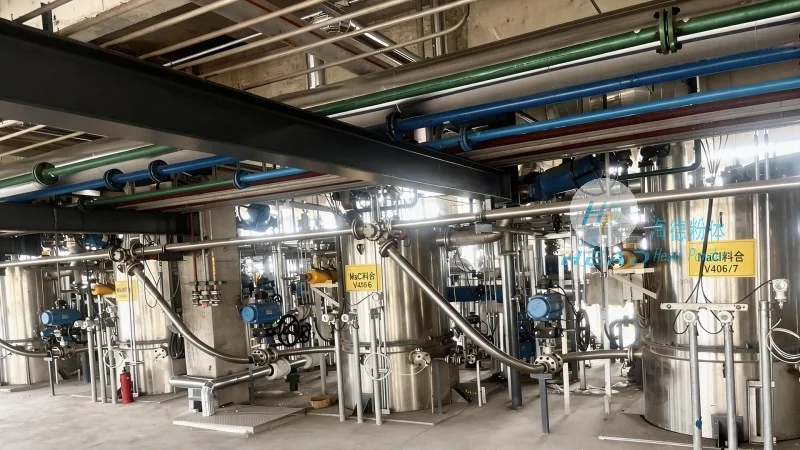
The design of a coal particle pneumatic conveying system is guided by several critical principles aimed at maximizing efficiency and reliability. The first principle is the selection of appropriate air velocity, which must be sufficient to lift and transport the coal particles without causing excessive wear on the system components. This velocity is typically determined based on the particle size and density, with higher velocities required for larger or denser particles. The second principle involves the calculation of the required air flow rate and pressure. The system must generate enough air pressure to overcome the pressure drop along the pipeline, which is influenced by factors such as pipeline length, diameter, and the number of bends or fittings. Proper sizing of the blower or compressor is essential to ensure consistent air supply and prevent system inefficiencies. The third principle is the consideration of material handling characteristics, including the abrasive nature of coal particles. This necessitates the use of durable materials for the hopper, pipeline, and other components to withstand wear and tear over time. Additionally, the design must account for the potential for particle segregation or agglomeration, which can affect system performance. By adhering to these design principles, engineers can develop systems that operate efficiently, with minimal downtime and maintenance requirements.
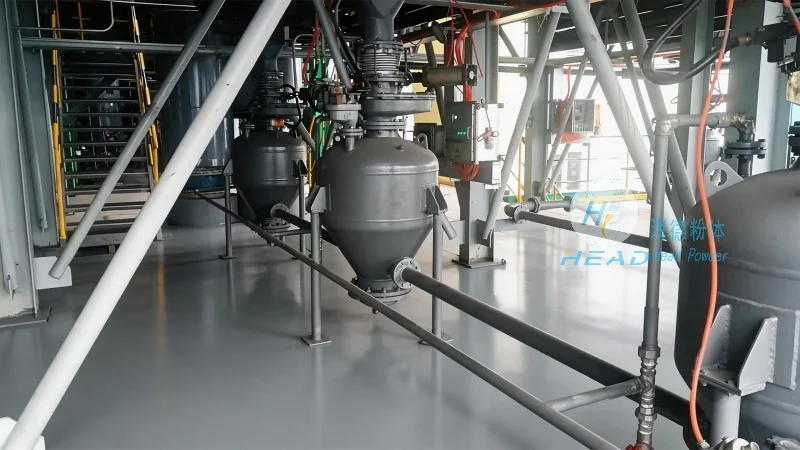
Coal particle pneumatic conveying systems are widely used in various applications within the coal processing and power generation industries. In coal mines, these systems are employed to transport mined coal from storage areas to processing facilities or to transport coal from the mine to the power plant. In power plants, pneumatic conveying is commonly used to deliver coal from storage silos to the boiler or to transport ash and other byproducts from the plant to disposal sites. The technology is also utilized in coal preparation plants, where it helps in transporting raw coal to grinding and screening equipment, and in the distribution of coal to different processing units. The ability to handle large volumes of coal efficiently and over long distances makes pneumatic conveying an ideal solution for these applications, contributing to improved operational efficiency and reduced costs.
Shandong HeadPowder Engineering Co., Ltd., operating under the brand name headpowder, is a prominent manufacturer specializing in the design, development, and manufacturing of pneumatic conveying systems and related engineering solutions. Headpowder has established itself as a leader in the industry, providing high-quality, reliable systems tailored to the specific needs of clients in the coal, power, and related sectors. The company's headquarters and main production facilities are located in Shandong, China, where it leverages advanced manufacturing technologies and a skilled workforce to deliver cutting-edge solutions. Headpowder's commitment to innovation is reflected in its continuous investment in research and development, enabling the company to stay at the forefront of technological advancements in pneumatic conveying. The company's product portfolio includes a range of systems designed for different applications, from low-pressure to high-pressure conveying, and for handling various coal types and particle sizes. By focusing on customer satisfaction and adherence to international quality standards, headpowder has built a strong reputation for delivering systems that meet and exceed industry expectations. With a dedicated team of engineers and technicians, headpowder ensures that each project is handled with precision and care, from initial design and customization to installation and after-sales support. The company's goal is to provide sustainable and efficient solutions that enhance the performance and safety of its clients' operations, contributing to the overall efficiency of the coal processing and power generation industries.

 Shandong Headpowder Engineering Co., Ltd.
 156-6277-7102(Manager Zhang)
  0531-83386006
  Zhangqiu District, Jinan City, Shandong Province, China
telephone
WeChatconsult
top