With more than 10‑year industry experience, Shandong Headpowder delivers full‑service pneumatic‑conveying systems and blowers, undertaking nationwide turn‑key powder‑handling projects.
When it comes to conveying chili peppers in industrial settings, choosing the right type of pneumatic conveying system is crucial for efficiency, cost-effectiveness, and product quality. Two primary methods are widely used: positive pressure and negative pressure systems. Understanding the differences between these two approaches is essential for selecting the most suitable solution for your chili pepper handling needs. This article will explore the characteristics of both positive and negative pressure conveying systems, highlighting key factors to consider when making your decision.
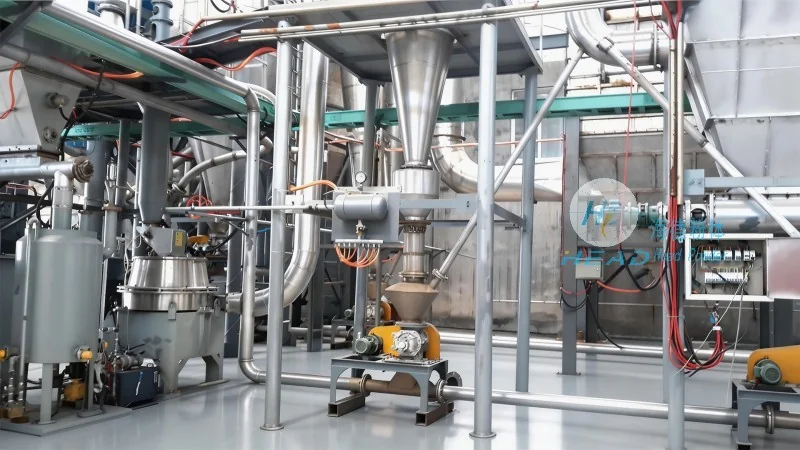
Positive pressure conveying systems operate by blowing air or gas into the conveying line, creating a pressure higher than the ambient air pressure. This method pushes the material forward through the pipeline. In the context of chili pepper handling, positive pressure systems are often preferred for their ability to handle abrasive or sticky materials, which are common in chili processing. The high-pressure air stream helps to maintain the flow of chili peppers, preventing blockages and ensuring consistent transport. For example, in a chili processing plant, a positive pressure system might be used to move freshly harvested chili peppers from a storage bin to a processing line, where they are then sorted, washed, or dried. The system's design typically includes a blower or compressor that generates the necessary pressure, and the material is carried in the air stream as it moves through the pipeline. This approach is particularly effective for conveying materials that are prone to clumping or that require gentle handling to avoid damage.
Negative pressure conveying, also known as suction or vacuum conveying, works by creating a vacuum in the conveying line, which draws the material into the system. The air and material are then pulled through the pipeline to a collection point. This method is often used for lighter materials or when the conveying distance is shorter. In chili pepper applications, negative pressure systems are suitable for handling materials that are less abrasive and where the conveying distance is limited. The vacuum created by the system helps to draw the chili peppers into the pipeline, and the air flow is controlled to prevent excessive pressure on the material. For instance, a negative pressure system might be employed in a small-scale chili processing facility to move chili peppers from a hopper to a packaging machine, where the material is then weighed and sealed. The system's components include a vacuum pump and a filter to remove dust and debris from the air stream. This approach is generally more energy-efficient for shorter distances and lighter loads.
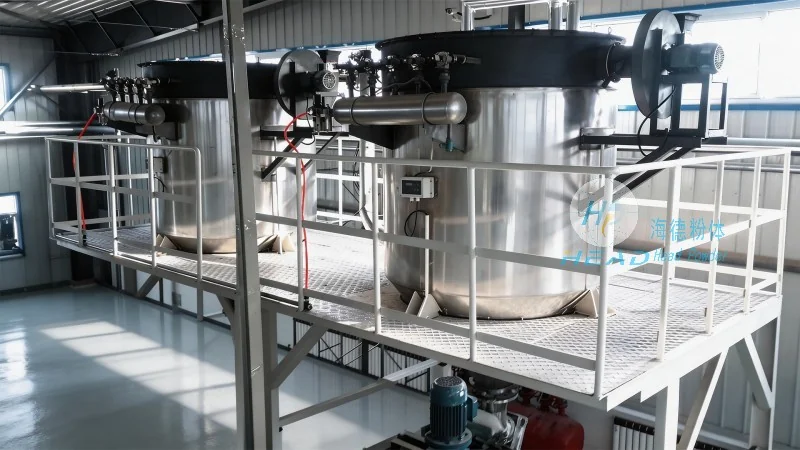
Choosing between positive and negative pressure conveying for chili pepper transport depends on several factors, including the material characteristics, conveying distance, and system requirements. Here are some key aspects to consider when making your distinction:
1. **Material Properties**: Positive pressure systems are better suited for handling abrasive, sticky, or high-density materials like chili peppers, as the high-pressure air stream can effectively move these materials without causing blockages. Negative pressure systems are more appropriate for lighter, less abrasive materials where the vacuum can efficiently draw the material into the system.
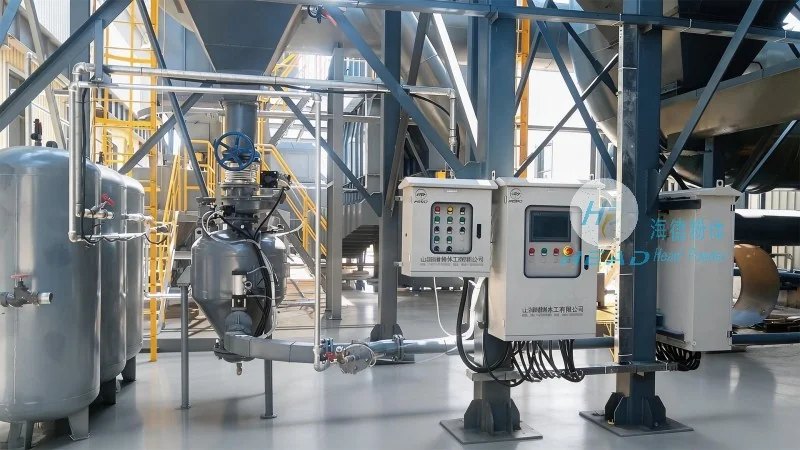
2. **Conveying Distance**: The distance over which the material needs to be conveyed is a critical factor. Positive pressure systems are generally more effective for longer distances, as the pressure can maintain the flow over greater lengths. Negative pressure systems are ideal for shorter distances, where the vacuum can easily draw the material without losing efficiency.
3. **Energy Consumption**: Negative pressure systems typically consume less energy for shorter distances, as the vacuum pump operates at lower pressures. Positive pressure systems may require more energy, especially for longer distances or when handling high-density materials, due to the need to maintain higher pressure.
4. **System Complexity and Maintenance**: Positive pressure systems may have more complex components, such as high-pressure blowers, which can require more maintenance. Negative pressure systems, with their vacuum pumps and filters, also need regular maintenance but are generally simpler in design. The choice between the two should consider the long-term operational costs and maintenance requirements.
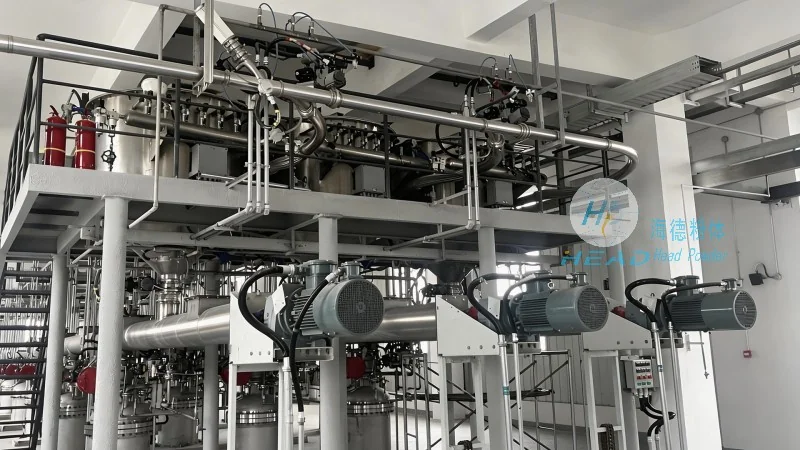
When deciding between positive and negative pressure conveying for chili pepper transport, it is essential to evaluate the specific needs of your operation. Positive pressure systems offer robust performance for handling challenging materials over longer distances, while negative pressure systems provide efficient and energy-saving solutions for shorter, lighter conveying tasks. By carefully assessing material properties, conveying distance, and operational requirements, you can select the most suitable system to ensure optimal performance and cost-effectiveness in your chili pepper handling processes.
For professional guidance and tailored solutions, Shandong HeadPowder Engineering Co., Ltd., a leading provider of conveying systems, offers expert consultation and customized equipment to meet the unique demands of chili pepper processing. With their extensive experience and commitment to quality, HeadPowder Engineering helps businesses optimize their material handling processes, ensuring reliable and efficient transport of chili peppers from source to final product. Located in Shandong, China, the company specializes in designing and manufacturing high-performance conveying systems that enhance productivity and maintain product integrity in industrial applications.

 Shandong Headpowder Engineering Co., Ltd.
 156-6277-7102(Manager Zhang)
  0531-83386006
  Zhangqiu District, Jinan City, Shandong Province, China
telephone
WeChatconsult
top