With more than 10‑year industry experience, Shandong Headpowder delivers full‑service pneumatic‑conveying systems and blowers, undertaking nationwide turn‑key powder‑handling projects.
When it comes to transporting chromium(III) oxide, selecting the appropriate method is crucial for ensuring efficiency, safety, and cost-effectiveness. Two common approaches are positive pressure transport and negative pressure transport. Understanding the differences between these methods is essential for making an informed decision. This article will explore the key factors to consider when choosing between positive and negative pressure for chromium(III) oxide transport, helping you determine the best approach for your specific application.
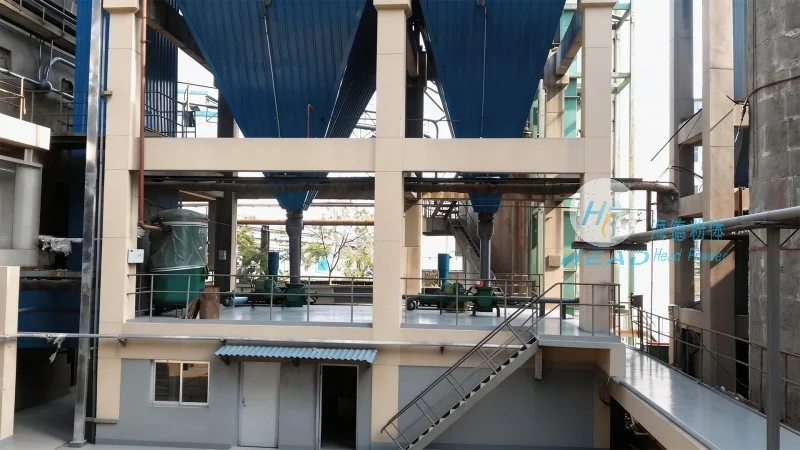
Chromium(III) oxide, also known as chromium(III) oxide or Cr₂O₃, is a widely used inorganic compound with applications in various industries, including pigments, ceramics, and electronics. Its fine powder form makes it susceptible to issues like dust generation, caking, and material loss during transport. Proper handling and transport methods are critical to maintain product quality and operational safety. The choice between positive and negative pressure systems directly impacts how effectively chromium(III) oxide can be moved through pipelines, storage vessels, and processing equipment.
Positive pressure transport involves using a pressure source to push the material through a system. In the context of chromium(III) oxide, this typically means using a blower or compressor to generate positive pressure within the transport line. The material is then forced through the system, often with the help of a hopper or feeder that controls the flow rate. This method is particularly effective for materials that are prone to caking or that need to be moved over longer distances without significant pressure drops. Positive pressure systems are also useful when dealing with materials that are sensitive to moisture or air exposure, as the sealed system helps maintain consistent conditions.
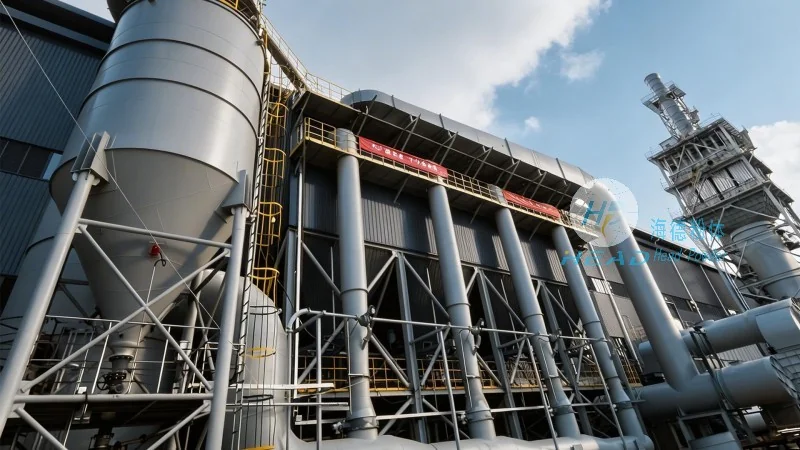
One of the primary advantages of positive pressure transport is its ability to maintain a consistent flow rate and pressure throughout the system. This reduces the risk of material buildup or blockages, which can be common in negative pressure systems. Additionally, positive pressure systems are generally more energy-efficient for long-distance transport, as they can maintain a higher pressure gradient without the need for frequent adjustments. For chromium(III) oxide, which is often used in high-purity applications, the sealed nature of positive pressure systems helps prevent contamination from ambient air, ensuring the material remains within specifications.
Negative pressure transport, also known as suction or vacuum transport, uses a vacuum source to draw the material into the system. In this method, a vacuum pump creates a lower pressure environment, causing the material to be pulled through the transport line. This approach is often used for shorter distances or when the material is already in a relatively loose state. Negative pressure systems are particularly useful for materials that are less prone to caking and can be easily drawn into the system without the need for high pressure. However, they may require more frequent maintenance and are generally less efficient for long-distance transport compared to positive pressure systems.
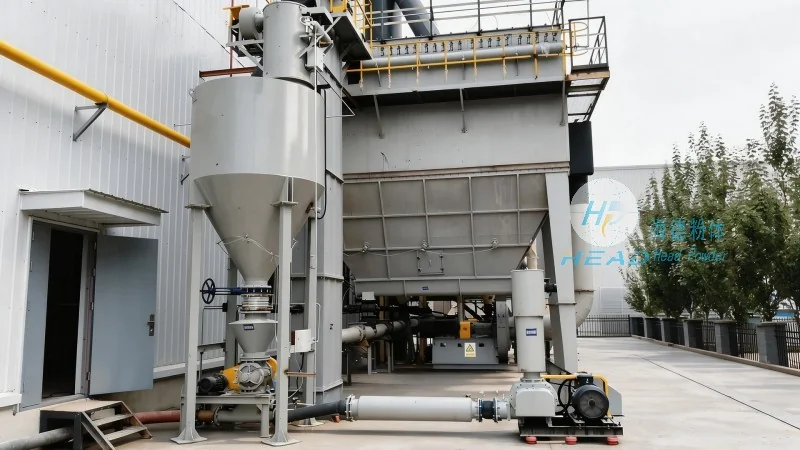
One of the main benefits of negative pressure transport is its simplicity and lower initial cost. Since it relies on a vacuum source rather than a high-pressure blower, the equipment is often less complex and easier to install. This makes it a good option for small-scale operations or for transporting materials over short distances where the material is already in a stable form. Negative pressure systems also allow for more flexible placement of the material source, as the vacuum can be applied from a remote location. However, they may not be suitable for materials that are prone to caking or that require consistent pressure to maintain flow.
When deciding between positive and negative pressure transport for chromium(III) oxide, several factors should be considered. The first is the distance the material needs to be transported. Positive pressure systems are generally more suitable for longer distances, as they can maintain higher pressure gradients. For shorter distances, negative pressure systems may be sufficient and more cost-effective. The second factor is the material's physical properties, such as its tendency to cake or agglomerate. Materials that are prone to caking may require the higher pressure of a positive system to prevent blockages. The third factor is the need for contamination control. Positive pressure systems are better for maintaining high purity, as they are sealed and prevent ambient air from entering. Negative pressure systems, while simpler, may allow for some air infiltration, which could affect the material's quality.
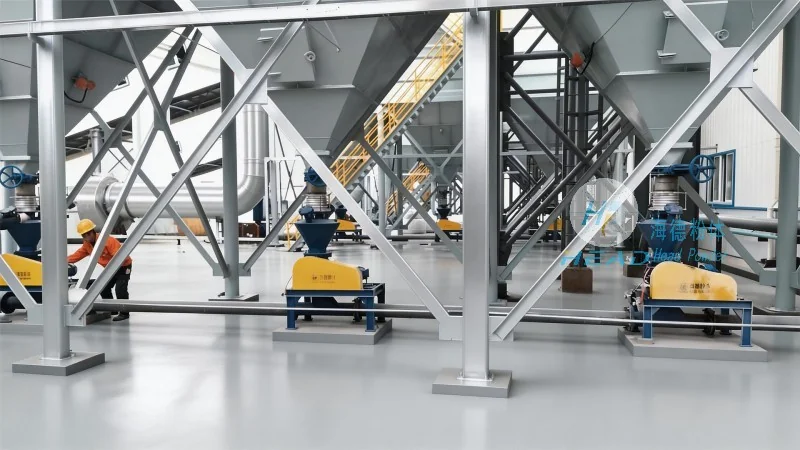
Choosing the right transport method for chromium(III) oxide involves a careful evaluation of operational requirements and material characteristics. It is important to consider the specific application, such as whether the material is being transported to a processing plant or a storage facility, and the distance involved. Additionally, the existing infrastructure and equipment should be taken into account, as retrofitting a system may be necessary for some applications. For example, if a facility already has a positive pressure system in place for other materials, it may be more cost-effective to adapt it for chromium(III) oxide rather than installing a new negative pressure system. Conversely, if the facility is in a location with limited access to high-pressure equipment, a negative pressure system may be the better choice.
Ultimately, the choice between positive and negative pressure transport for chromium(III) oxide depends on a combination of factors, including distance, material properties, and operational needs. Positive pressure transport offers advantages in terms of efficiency, contamination control, and long-distance capability, while negative pressure transport is simpler and more cost-effective for shorter distances. By understanding the characteristics of each method and evaluating your specific requirements, you can make an informed decision that ensures safe and efficient transport of chromium(III) oxide. Whether you opt for positive or negative pressure, the key is to select a system that maintains the material's quality and meets your operational goals.

 Shandong Headpowder Engineering Co., Ltd.
 156-6277-7102(Manager Zhang)
  0531-83386006
  Zhangqiu District, Jinan City, Shandong Province, China
telephone
WeChatconsult
top