With more than 10‑year industry experience, Shandong Headpowder delivers full‑service pneumatic‑conveying systems and blowers, undertaking nationwide turn‑key powder‑handling projects.
Winery pomace, the solid residue from grape processing, presents unique handling challenges due to its high moisture content and abrasive nature. Traditional methods like belt conveyors or manual handling often lead to operational inefficiencies and equipment wear. The pneumatic conveying system offers a robust solution, leveraging air pressure to transport pomace efficiently and safely. This article explores the fundamental principles behind such systems, highlighting their application in winery operations and the technical advantages they provide.
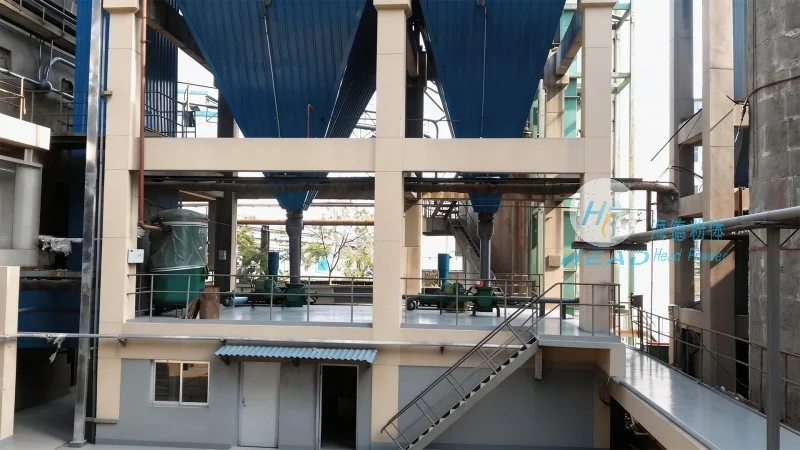
The pneumatic conveying system for winery pomace typically consists of several key components, each playing a critical role in the material transport process. The primary elements include a hopper for material storage, a feeder to control the flow rate, a conveying line (either positive or negative pressure), and a receiver for the discharged material. The system operates by introducing air into the conveying line, either by creating a vacuum (negative pressure) or by blowing air under pressure (positive pressure). In winery applications, positive pressure systems are often preferred due to their ability to handle abrasive materials and prevent dust emissions.
Implementing a pneumatic conveying system for winery pomace offers several distinct advantages over conventional methods. Firstly, it minimizes material degradation and contamination, as the system operates in a closed environment, reducing exposure to external elements. Secondly, it enhances operational efficiency by automating the transport process, reducing labor requirements and downtime. Thirdly, the system is highly flexible, allowing for changes in material flow rates and destinations without major modifications. Additionally, it reduces equipment wear and maintenance costs, as the material is conveyed without direct contact with mechanical components like belts or rollers. The system also helps in maintaining hygiene standards, which is crucial in food processing environments.
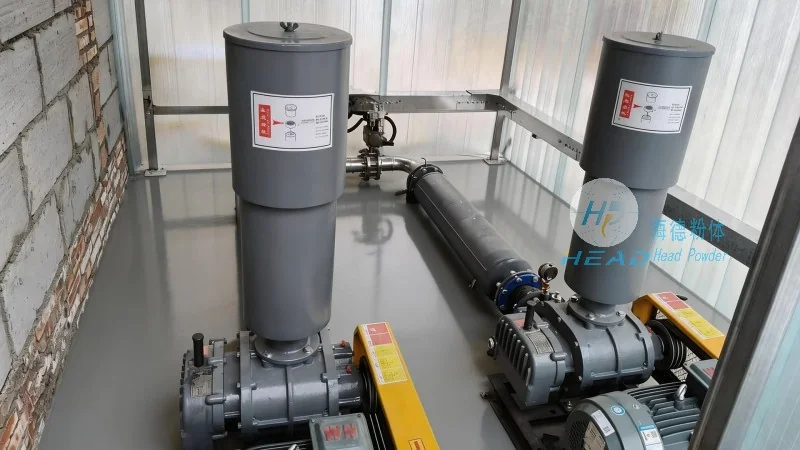
Designing an effective pneumatic conveying system for winery pomace requires careful consideration of several technical factors. The choice between positive and negative pressure systems depends on the distance and elevation changes, as well as the material's properties. Positive pressure systems are generally more suitable for longer distances and higher elevations, as they maintain consistent air pressure throughout the line. The selection of air velocity is critical to prevent material settling or blockages; too low a velocity may cause clogging, while too high a velocity increases energy consumption and equipment wear. The system's capacity is determined by the hopper size, feeder type, and air flow rate, ensuring that the conveyor can handle the expected pomace volume without bottlenecks. Furthermore, the material's moisture content and particle size distribution influence the system's performance, as these factors affect the air-particle interaction and the risk of dust formation.
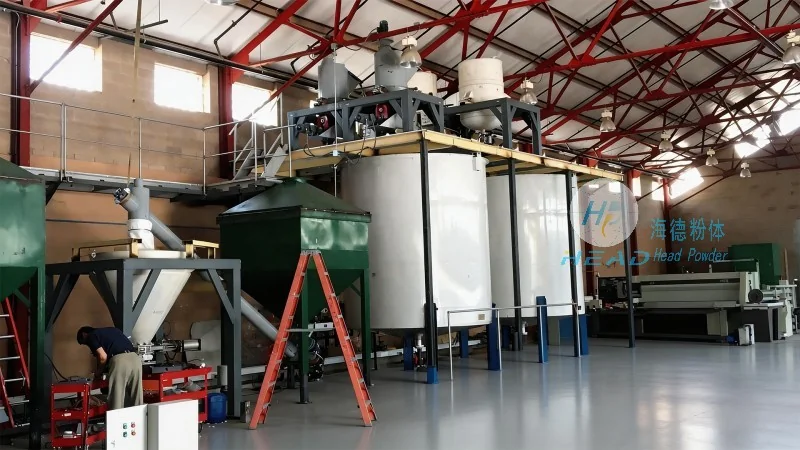
Winery pomace pneumatic conveying systems are widely used in various stages of winemaking, from the initial collection of pomace after grape pressing to its final disposal or recycling. In many wineries, the system is integrated into the processing line to transport pomace from the press to a storage silo or a drying facility. This integration allows for a seamless flow of materials, reducing the need for manual handling and improving overall production efficiency. The system can also be used to transport pomace to a biogas plant or a composting facility, enabling wineries to utilize the waste as a renewable energy source or a soil amendment. By optimizing the material transport process, the system contributes to the sustainability and cost-effectiveness of winery operations.
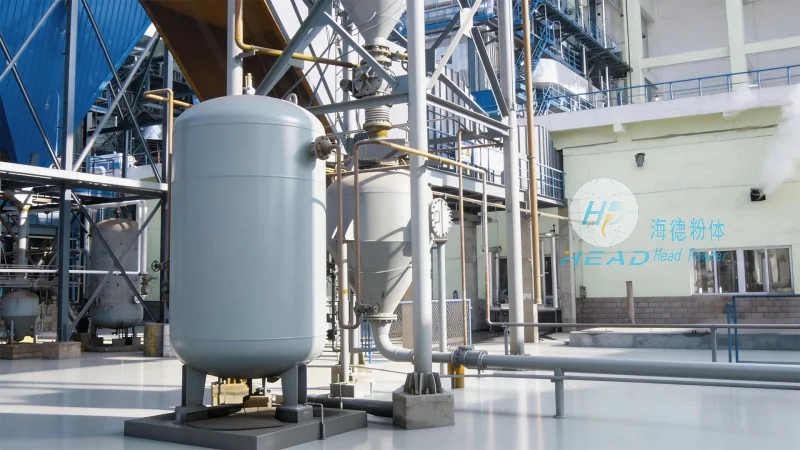
Proper maintenance is essential to ensure the longevity and efficiency of a winery pomace pneumatic conveying system. Regular inspections of the conveying line, air filters, and feeder mechanisms are necessary to detect and address issues such as clogging or air leaks. The system's air filters should be cleaned or replaced regularly to prevent dust accumulation, which can reduce airflow efficiency and increase energy consumption. The hopper and feeder should be checked for material buildup or blockages, as these can lead to uneven flow and system downtime. Additionally, monitoring the system's performance metrics, such as air pressure and flow rate, helps in identifying potential problems early and adjusting the system parameters as needed. Following these best practices ensures that the pneumatic conveying system operates at optimal levels, maximizing its benefits for winery operations.
The pneumatic conveying system for winery pomace represents a sophisticated and efficient solution to the challenges of handling solid waste in the wine industry. By leveraging air pressure to transport material, the system offers significant advantages in terms of operational efficiency, hygiene, and equipment longevity. With careful design and maintenance, such systems can be integrated into winery operations to enhance productivity and sustainability. As wineries continue to adopt more advanced processing technologies, the pneumatic conveying system remains a critical component in optimizing pomace management and contributing to the overall success of winemaking operations.

 Shandong Headpowder Engineering Co., Ltd.
 156-6277-7102(Manager Zhang)
  0531-83386006
  Zhangqiu District, Jinan City, Shandong Province, China
telephone
WeChatconsult
top