With more than 10‑year industry experience, Shandong Headpowder delivers full‑service pneumatic‑conveying systems and blowers, undertaking nationwide turn‑key powder‑handling projects.
When it comes to pharmaceutical delivery, selecting the right system is crucial for ensuring product integrity, patient safety, and operational efficiency. Two primary methods dominate the industry: positive pressure and negative pressure delivery. Understanding the nuances of each approach is essential for making an informed decision that aligns with specific application requirements. This article explores the key differences between positive and negative pressure systems, guiding you through the decision-making process.
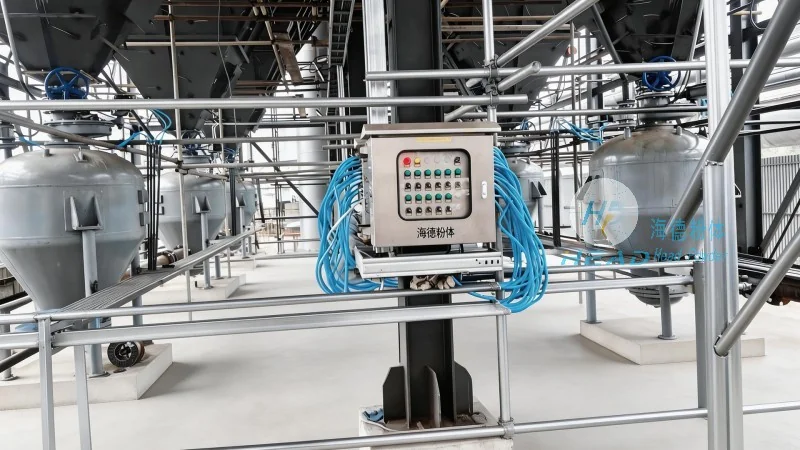
Positive pressure delivery systems operate by forcing the product out of a container or reservoir using an external force, such as compressed air or gas. This method ensures a consistent flow rate and prevents backflow, making it ideal for applications where product contamination or leakage is a concern. Conversely, negative pressure delivery systems rely on creating a vacuum or suction to draw the product from a container. This approach is often preferred for its simplicity and lower cost, but it may be less effective in preventing contamination or maintaining consistent flow rates.
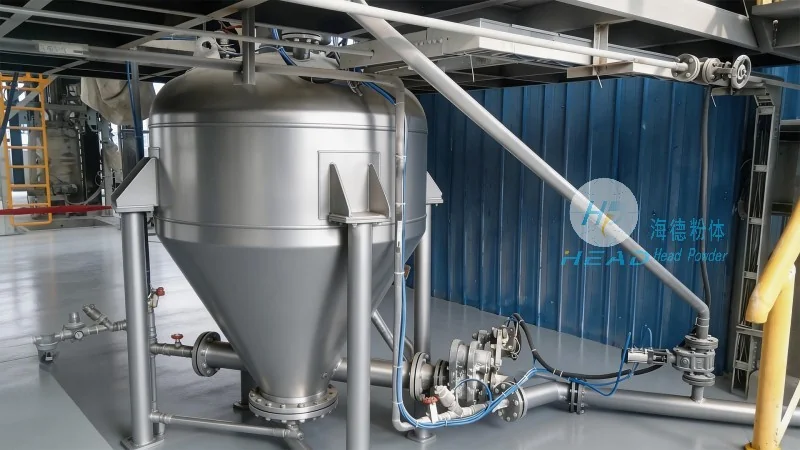
The most significant difference between positive and negative pressure systems lies in their mechanism of operation. Positive pressure systems use external pressure to drive the product, while negative pressure systems rely on suction to draw the product. This fundamental distinction impacts several critical aspects, including flow control, contamination risk, and system complexity. Positive pressure systems typically offer better control over flow rates and pressure, which is vital for precise dosing in medical applications. In contrast, negative pressure systems may experience fluctuations in flow due to changes in container pressure or suction strength. Additionally, positive pressure systems are generally more effective at preventing backflow and maintaining product sterility, as they do not rely on creating a vacuum that could potentially draw in contaminants.
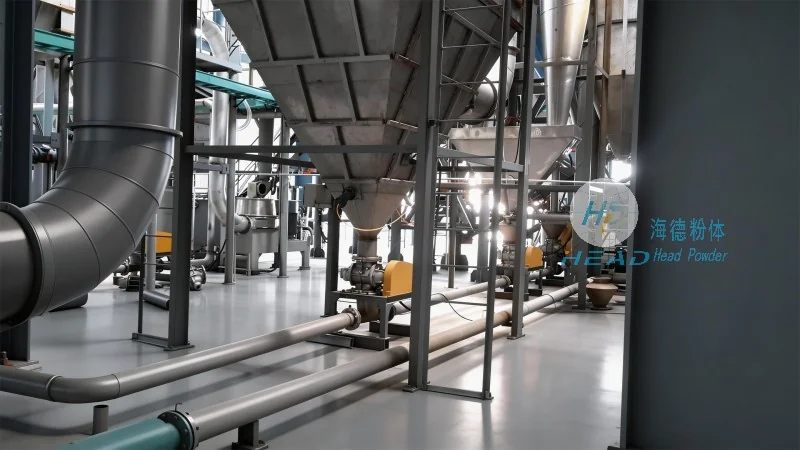
When choosing between positive and negative pressure delivery, several factors must be evaluated. The first consideration is the nature of the product being delivered. For liquids or powders that are prone to caking or agglomeration, positive pressure systems may be more suitable due to their ability to maintain consistent flow without disrupting the product's structure. Conversely, for products that are less sensitive to pressure changes, negative pressure systems can be a cost-effective option. Another critical factor is the environment in which the system will operate. Positive pressure systems are often preferred in sterile or controlled environments, such as hospitals or pharmaceutical manufacturing facilities, where maintaining product integrity is paramount. Negative pressure systems, while simpler, may be more appropriate for less critical applications or in environments where cost is a primary concern. Additionally, the scale of the operation and the required flow rate play a role. Large-scale production lines may benefit from the reliability and control offered by positive pressure systems, whereas smaller, intermittent applications might find negative pressure systems more practical.
Shandong HeadPowder Engineering Co., Ltd. is a leading provider of pharmaceutical delivery solutions, specializing in the design and manufacturing of positive and negative pressure systems. With a focus on innovation and quality, the company has established itself as a trusted partner for pharmaceutical manufacturers worldwide. HeadPowder's products are engineered to meet the stringent requirements of the pharmaceutical industry, ensuring compliance with regulatory standards and delivering reliable performance. The company's headquarters is located in Shandong, China, where it leverages advanced technology and expertise to develop cutting-edge delivery systems tailored to the unique needs of its clients.
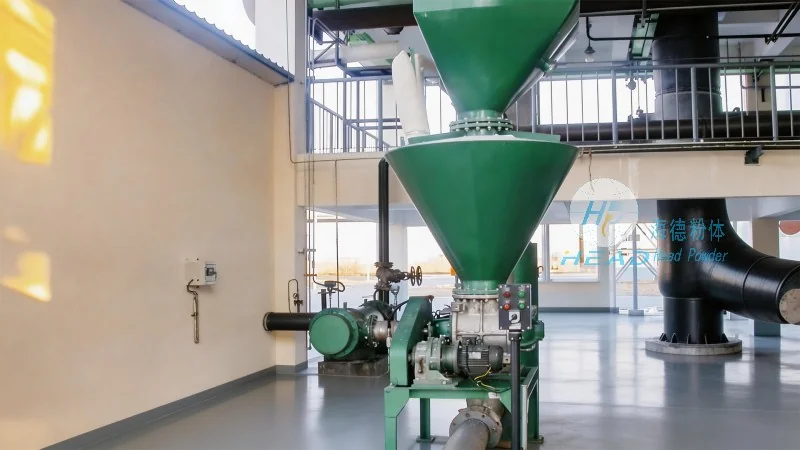
Choosing between positive and negative pressure for pharmaceutical delivery requires a careful assessment of application-specific needs, product characteristics, and operational constraints. Positive pressure systems offer superior control, sterility, and reliability, making them ideal for critical applications. Negative pressure systems, while simpler and more cost-effective, may be suitable for less demanding scenarios. By understanding the key differences and considering the factors outlined above, pharmaceutical manufacturers can select the most appropriate delivery system to ensure optimal performance and patient safety. Shandong HeadPowder Engineering Co., Ltd. remains committed to supporting these decisions with advanced solutions and expert guidance, helping to advance the field of pharmaceutical delivery.

 Shandong Headpowder Engineering Co., Ltd.
 156-6277-7102(Manager Zhang)
  0531-83386006
  Zhangqiu District, Jinan City, Shandong Province, China
telephone
WeChatconsult
top