With more than 10‑year industry experience, Shandong Headpowder delivers full‑service pneumatic‑conveying systems and blowers, undertaking nationwide turn‑key powder‑handling projects.
Mineral sand pneumatic conveying systems are critical in industrial applications for transporting bulk materials efficiently. These systems utilize air as the medium to move solid particles, offering advantages like dust control, flexibility in layout, and the ability to handle hazardous materials. The choice between positive pressure and negative pressure conveying modes significantly impacts system performance, cost, and operational safety. This analysis delves into the technical aspects of both approaches, highlighting their applications and key considerations.
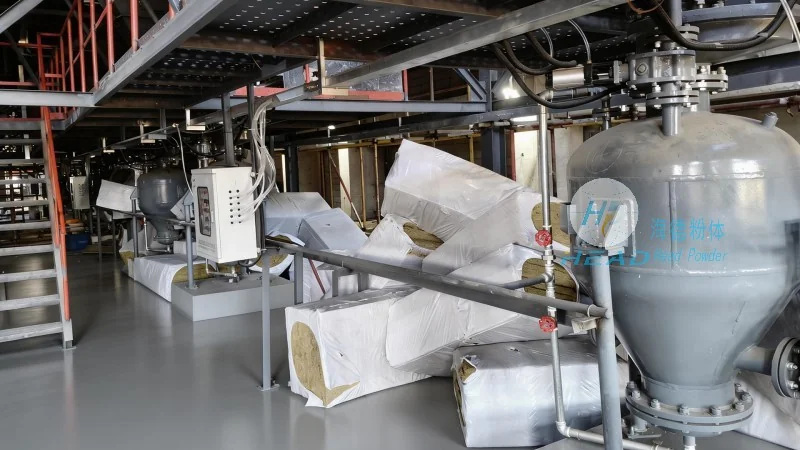
HeadPowder, a leading provider in the field, specializes in designing and manufacturing advanced pneumatic conveying solutions tailored to diverse industrial needs. With a focus on innovation and reliability, the company’s systems are engineered to meet stringent industry standards, ensuring optimal performance and longevity.
Positive pressure conveying operates by blowing air into the conveying line, creating a pressure higher than the ambient air. This method is widely used for long-distance and high-capacity material transport. The primary advantage is the ability to handle abrasive and corrosive materials without significant wear on the system components. The positive pressure system also allows for easier integration with existing infrastructure, as the air is supplied from a dedicated compressor. However, it requires robust sealing and filtration to prevent dust leakage and maintain air quality. HeadPowder’s positive pressure systems incorporate advanced filtration technologies and durable materials, ensuring compliance with environmental regulations while maximizing operational efficiency.
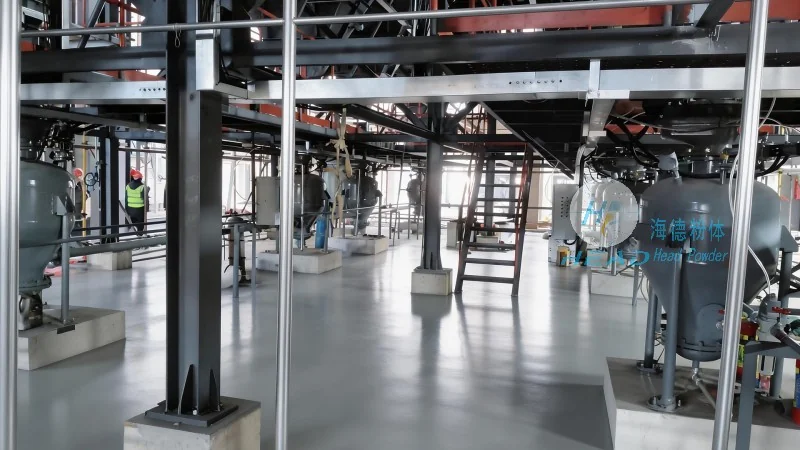
Negative pressure conveying, also known as vacuum conveying, works by creating a vacuum in the system to draw material into the line. This mode is ideal for short-distance transport and applications requiring gentle material handling, such as transporting food-grade or sensitive products. The key benefit is the reduced risk of dust contamination and the ability to handle fine powders without clogging. Negative pressure systems are generally more compact and require less space for installation. Nevertheless, they are less efficient for long-distance transport and may face challenges with high-density materials. HeadPowder’s negative pressure solutions feature high-efficiency vacuum pumps and optimized duct designs, ensuring reliable operation even with challenging material characteristics.
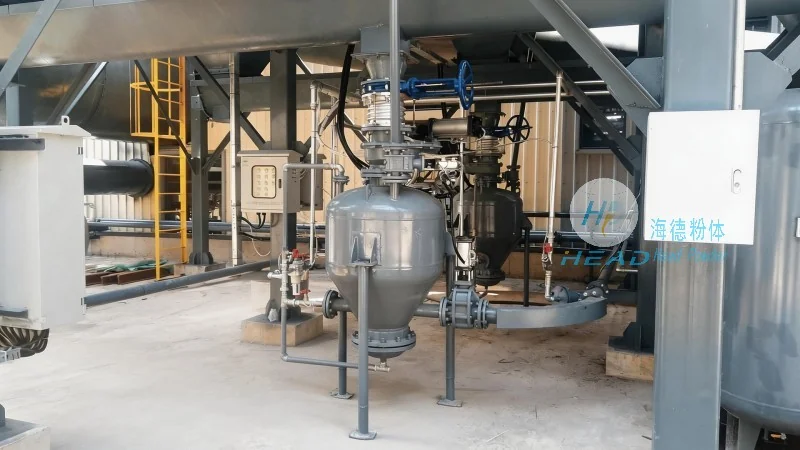
When selecting between positive and negative pressure conveying, several factors must be considered. The distance of material transport is a primary determinant: positive pressure is preferred for long distances, while negative pressure is suitable for shorter routes. Material properties, such as particle size, density, and moisture content, also influence the choice. For example, abrasive materials are better suited to positive pressure due to its higher air pressure and ability to withstand wear. Conversely, fine powders and sensitive products benefit from the gentle suction of negative pressure. Cost is another critical factor: positive pressure systems typically require more powerful compressors and larger ducts, increasing initial investment, whereas negative pressure systems may have lower upfront costs but higher maintenance expenses due to the vacuum pump. Operational safety is a key consideration, as positive pressure systems pose a higher risk of dust explosion if not properly sealed, while negative pressure systems can create a vacuum that may affect indoor air quality if not adequately ventilated. HeadPowder’s expertise lies in customizing systems to balance these factors, providing tailored solutions that meet specific operational requirements and regulatory standards.
Shandong HeadPowder Engineering Co., Ltd., based in Shandong, China, leverages decades of experience to deliver cutting-edge pneumatic conveying systems. The company’s approach emphasizes client collaboration, ensuring that each system is designed to address unique challenges and operational goals. By integrating advanced technology with practical engineering, HeadPowder’s solutions enhance productivity, reduce downtime, and minimize environmental impact. Whether implementing a positive pressure or negative pressure system, clients benefit from the company’s comprehensive support, including design, installation, and after-sales service. This commitment to excellence has established HeadPowder as a trusted partner in the mineral processing and material handling industries, delivering reliable and efficient conveying solutions that meet the evolving needs of modern manufacturing.

 Shandong Headpowder Engineering Co., Ltd.
 156-6277-7102(Manager Zhang)
  0531-83386006
  Zhangqiu District, Jinan City, Shandong Province, China
telephone
WeChatconsult
top