With more than 10‑year industry experience, Shandong Headpowder delivers full‑service pneumatic‑conveying systems and blowers, undertaking nationwide turn‑key powder‑handling projects.
When handling phosphorus pentachloride (PCl₅), a highly reactive and corrosive chemical, selecting the appropriate transport method is critical for safety and efficiency. Two primary options are positive pressure transport and negative pressure transport. Understanding the differences and how to choose between them is essential for industrial operations. This article explores the key factors to consider when deciding between positive and negative pressure systems for PCl₅ transport, providing insights into the practical distinctions and best practices, with a focus on the expertise of Shandong HeadPowder Engineering Co., Ltd., a leading provider of chemical handling solutions based in China.
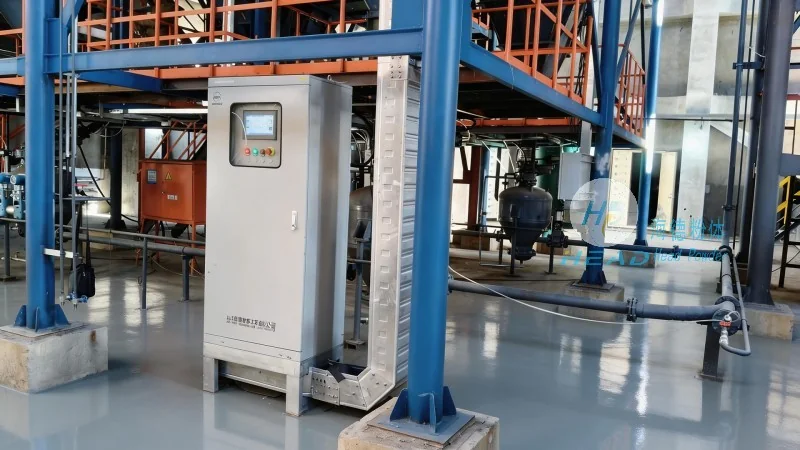
Phosphorus pentachloride is a volatile, moisture-sensitive compound that reacts vigorously with water, releasing hydrochloric acid and phosphoric acid. Due to its high reactivity and corrosive nature, transporting PCl₅ requires specialized equipment and strict safety protocols. The choice between positive and negative pressure systems depends on factors such as the material's properties, the transport distance, and the existing infrastructure at the source and destination. Both methods have their advantages and limitations, and the decision should be based on a thorough evaluation of operational needs and safety considerations.
Positive pressure transport involves maintaining a higher pressure inside the transport vessel than the surrounding environment. This method is often used for gases or liquids that are prone to leakage or require controlled flow. In the case of PCl₅, positive pressure systems typically use sealed containers with pressure regulators to ensure the chemical remains contained. The primary advantages of positive pressure transport include enhanced safety by preventing external air from entering the system, which could react with PCl₅, and improved control over the flow rate. This method is particularly suitable for short-distance transport or when the receiving facility has limited infrastructure to handle negative pressure systems.
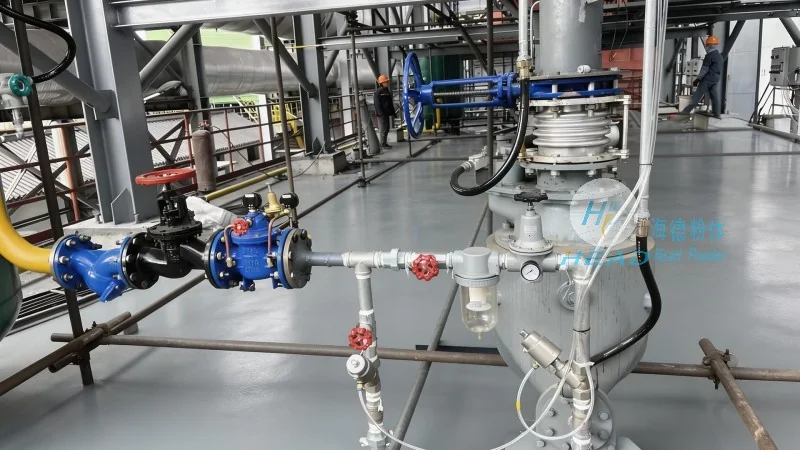
Negative pressure transport, also known as vacuum transport, operates by creating a lower pressure inside the transport vessel compared to the external environment. This approach is effective for materials that are difficult to pump or require a gentle handling process. For PCl₅, negative pressure systems use vacuum pumps to draw the chemical into the transport line, minimizing the risk of spills or leaks. The benefits of negative pressure transport include reduced energy consumption for pumping, as the system relies on the vacuum to move the material, and lower equipment costs compared to positive pressure systems. This method is often preferred for longer transport distances or when the source facility has limited pressure generation capabilities.
Identifying whether a transport system is positive or negative pressure involves checking the pressure differential between the vessel and the environment. Positive pressure systems show a pressure reading above atmospheric pressure, while negative pressure systems show a pressure below atmospheric pressure. Other distinguishing features include the presence of pressure relief valves in positive pressure systems to prevent over-pressurization and vacuum pumps or suction lines in negative pressure systems. For PCl₅ transport, the choice between positive and negative pressure should also consider the compatibility of the material with the system's pressure range and the ability of the receiving facility to handle the pressure conditions.
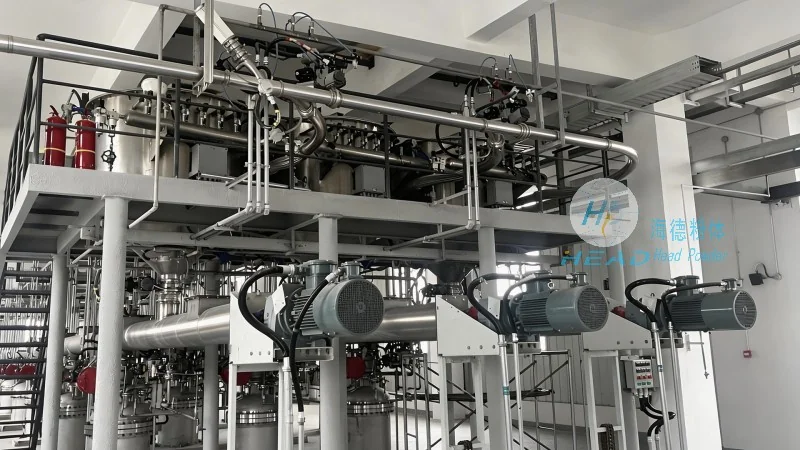
When deciding between positive and negative pressure transport for PCl₅, several factors must be evaluated. The first is the material's physical properties, such as its vapor pressure and reactivity. PCl₅ has a high vapor pressure at room temperature, making it more suitable for systems that can handle volatile materials. The second factor is the transport distance and the existing infrastructure at both ends. Short distances may favor positive pressure systems due to their simplicity, while longer distances might require negative pressure systems for energy efficiency. Third, the safety protocols and regulatory requirements of the facility must be considered. Positive pressure systems are generally preferred in environments where there is a risk of external contamination, as they prevent the ingress of air or other substances. Finally, the cost of equipment and maintenance should be assessed. Positive pressure systems may require more robust pressure vessels and relief valves, while negative pressure systems might need more powerful vacuum pumps. By weighing these factors, industrial operators can select the most appropriate transport method for their PCl₅ handling needs.
Choosing between positive and negative pressure transport for phosphorus pentachloride is a critical decision that impacts safety, efficiency, and operational costs. Positive pressure systems offer enhanced safety and control but may be more expensive and energy-intensive. Negative pressure systems provide energy savings and lower equipment costs but require careful management to prevent vacuum leaks or material loss. The key to making the right choice lies in understanding the material's properties, evaluating the operational requirements, and adhering to safety regulations. By following the guidelines outlined in this article, industrial facilities can select the most suitable transport method for their PCl₅ handling processes, ensuring both operational efficiency and safety. Shandong HeadPowder Engineering Co., Ltd. specializes in providing tailored chemical transport solutions, including equipment and systems optimized for handling hazardous materials like PCl₅, helping clients achieve safe and efficient operations.

 Shandong Headpowder Engineering Co., Ltd.
 156-6277-7102(Manager Zhang)
  0531-83386006
  Zhangqiu District, Jinan City, Shandong Province, China
telephone
WeChatconsult
top