With more than 10‑year industry experience, Shandong Headpowder delivers full‑service pneumatic‑conveying systems and blowers, undertaking nationwide turn‑key powder‑handling projects.
When it comes to transporting polyvinyl butyral (PVB), a critical decision lies in selecting the appropriate pressure system—positive or negative pressure. This choice significantly impacts the efficiency, safety, and overall performance of the transport process. Understanding the nuances of each system is essential for industries relying on PVB for applications such as safety glass, automotive adhesives, and construction materials. In this article, we explore the key differences between positive and negative pressure transport methods, helping you make an informed decision for your operations.
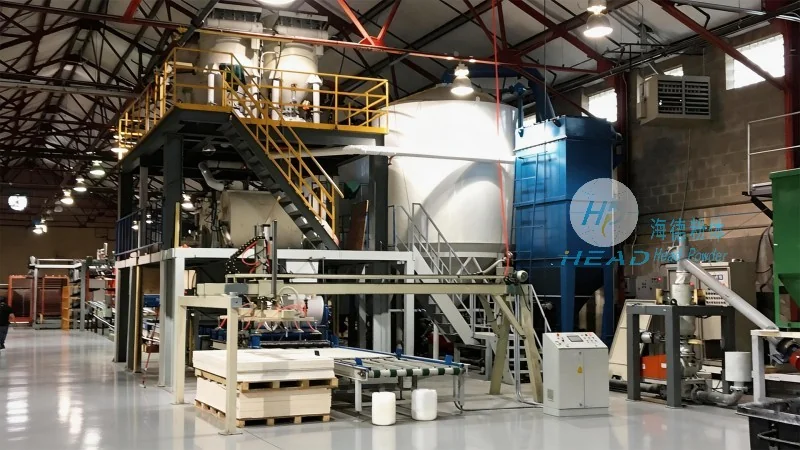
Positive pressure transport involves using compressed air or gas to force PVB material through pipelines or containers. This method is commonly used in industries where maintaining a consistent flow rate is paramount, such as in large-scale manufacturing facilities. The primary advantages of positive pressure systems include: enhanced flow control, as the pressure ensures the material moves smoothly without clogs or blockages. Additionally, positive pressure helps prevent contamination from external air ingress, which is critical for maintaining the purity of PVB, especially in applications requiring high-quality adhesives or coatings.
For example, in automotive manufacturing, where PVB is used as a interlayer in laminated glass, positive pressure transport ensures a steady supply of material to production lines, minimizing downtime and improving productivity. The system's ability to handle viscous PVB formulations without degradation also makes it suitable for high-viscosity applications, where negative pressure might struggle to maintain flow.
Negative pressure transport, on the other hand, relies on creating a vacuum or reduced pressure within the transport system to draw PVB material from storage tanks or containers. This method is often preferred in scenarios where the material is stored in bulk and needs to be transferred to smaller batches or processing units. The key benefits of negative pressure systems include: energy efficiency, as they typically require less power compared to positive pressure systems. Additionally, negative pressure helps minimize the risk of air bubbles or entrained gases in the PVB, which can affect the final product's quality.
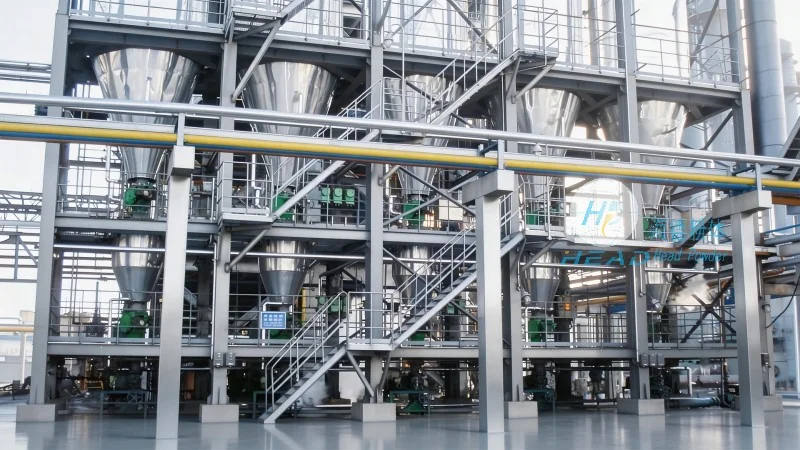
In construction and architectural applications, where PVB is used for window glazing or facade systems, negative pressure transport is advantageous for transferring material from large storage tanks to on-site mixing stations. The system's ability to handle lower viscosity PVB formulations without the need for high-pressure pumps makes it a cost-effective solution for smaller-scale operations. However, it's important to note that negative pressure systems may be less effective for highly viscous PVB, as the vacuum might not provide sufficient force to maintain flow.
Choosing between positive and negative pressure transport for PVB requires careful evaluation of several factors. The first consideration is the viscosity of the PVB formulation. High-viscosity PVB, often used in automotive adhesives, benefits from positive pressure due to its ability to maintain consistent flow. Conversely, lower-viscosity PVB, used in construction adhesives, may perform better with negative pressure, as the vacuum can effectively draw the material without excessive energy consumption.
Another critical factor is the scale of operation. Large-scale industrial facilities with high production volumes typically opt for positive pressure systems due to their reliability and ability to handle large volumes. Smaller-scale or on-site applications, such as in construction projects, may find negative pressure systems more practical and cost-effective. The availability of infrastructure, such as compressed air or vacuum pumps, also plays a role in the decision-making process.
Furthermore, the environmental and safety requirements of the application must be considered. Positive pressure systems are generally preferred in environments where air contamination could affect the PVB's quality, as they prevent external air from entering the system. Negative pressure systems, while energy-efficient, may require additional measures to prevent dust or particulate matter from entering the vacuum line, which could compromise the material's purity.
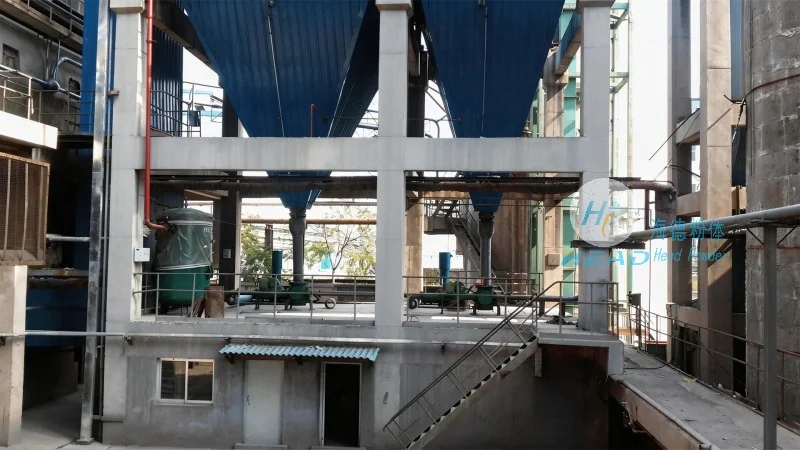
For businesses seeking reliable PVB transport solutions, Shandong HeadPowder Engineering Co., Ltd. (headpowder) stands out as a trusted partner. With years of experience in the engineering and manufacturing of transport systems, headpowder specializes in designing and supplying customized pressure systems tailored to the specific needs of PVB applications. The company's expertise lies in understanding the unique challenges of PVB transport, including its viscosity, chemical properties, and the requirements of different industries.
Headpowder's team of engineers works closely with clients to assess their operational needs, whether it's a positive pressure system for high-volume production or a negative pressure system for on-site applications. By leveraging advanced technology and rigorous testing, headpowder ensures that their transport solutions meet the highest standards of efficiency, safety, and durability. The company's commitment to quality is reflected in its adherence to industry regulations and its focus on providing long-term solutions that enhance client productivity.
Headpowder's facilities in Shandong, China, are equipped with state-of-the-art equipment and a skilled workforce, enabling the company to deliver high-quality transport systems that meet the demands of modern PVB processing. Whether you're in the automotive, construction, or glass manufacturing industry, headpowder offers tailored solutions that optimize your PVB transport process, reducing costs and improving overall performance.

 Shandong Headpowder Engineering Co., Ltd.
 156-6277-7102(Manager Zhang)
  0531-83386006
  Zhangqiu District, Jinan City, Shandong Province, China
telephone
WeChatconsult
top