With more than 10‑year industry experience, Shandong Headpowder delivers full‑service pneumatic‑conveying systems and blowers, undertaking nationwide turn‑key powder‑handling projects.
For agricultural processing industries, especially those dealing with cassava, efficient material handling is crucial to maintain production efficiency and product quality. The cassava pneumatic conveying system is a key technology that enables the safe and effective transport of cassava from storage to processing units. This system leverages air pressure to move cassava particles through a pipeline network, offering advantages such as reduced labor costs, minimized contamination risk, and improved operational flexibility.
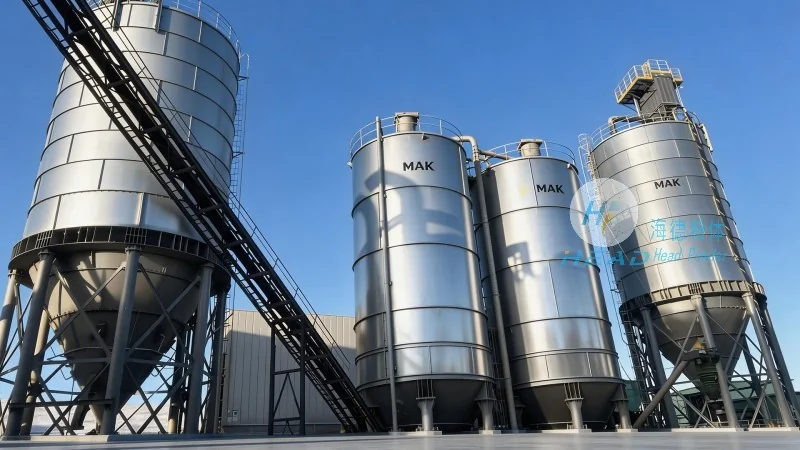
The cassava pneumatic conveying system consists of several critical components that work in tandem to achieve reliable material transport. The primary elements include a hopper or storage bin for holding raw cassava, a rotary valve or feeder to control the flow of material into the system, a blower or air compressor that generates the necessary air pressure, a pipeline network that transports the material, and a receiver or discharge unit where the material is collected. Each component plays a vital role in ensuring the system operates smoothly and efficiently.
The operation of a cassava pneumatic conveying system involves a sequence of steps that convert raw cassava into a transported stream. Initially, cassava is fed into the system through a hopper, where it is then discharged into the pipeline by a rotary valve or feeder. The blower then generates a high-pressure air stream that carries the cassava particles through the pipeline. As the air and material move through the system, the pipeline's design—such as the use of bends, elbows, or expansion joints—ensures the material is conveyed without excessive pressure loss or blockage. The receiver at the end of the pipeline collects the conveyed cassava, which can then be used for further processing, such as milling or drying.
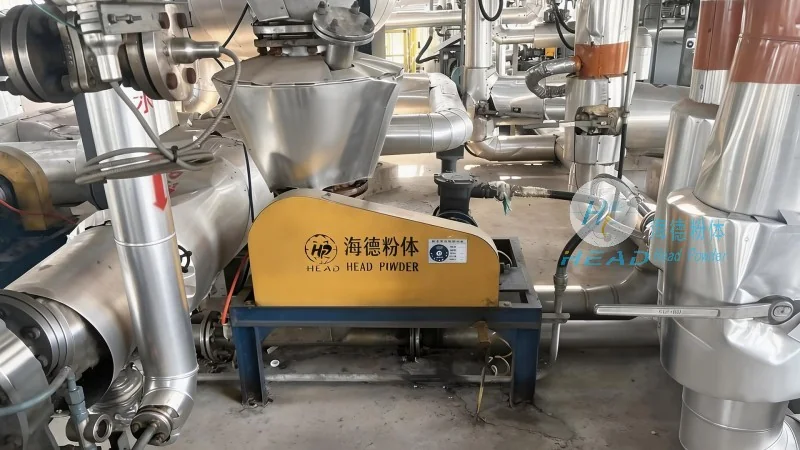
Implementing a cassava pneumatic conveying system offers numerous benefits for agricultural processing facilities. One of the most significant advantages is the reduction in labor costs, as automated systems minimize the need for manual handling of cassava. Additionally, the system reduces the risk of contamination from external sources, as the enclosed pipeline network prevents exposure to dust, moisture, or other contaminants. Operational flexibility is another key benefit, as the system can be easily adjusted to handle varying quantities of cassava or different processing stages. Furthermore, the system is compact and can be integrated into existing processing facilities, making it a practical solution for both new and existing operations.
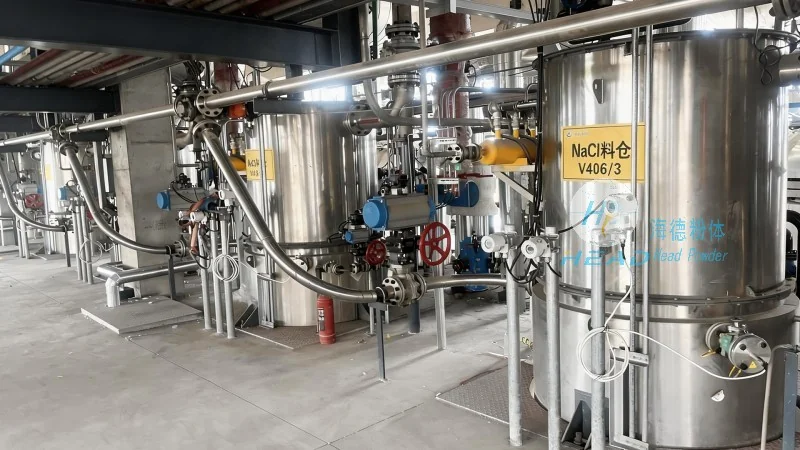
When designing and implementing a cassava pneumatic conveying system, several factors must be considered to ensure optimal performance and longevity. The first consideration is the material characteristics of cassava, including its moisture content, particle size, and density, as these properties affect the system's air flow requirements and pressure needs. The system's capacity must be matched to the processing plant's production volume to avoid bottlenecks or overloading. Additionally, the pipeline material and design must be selected to withstand the abrasive nature of cassava particles and the high-pressure air flow. Regular maintenance, such as cleaning and inspecting components, is essential to prevent blockages and ensure consistent performance. Proper training for operators on system operation and troubleshooting is also crucial to maximize the system's efficiency and lifespan.
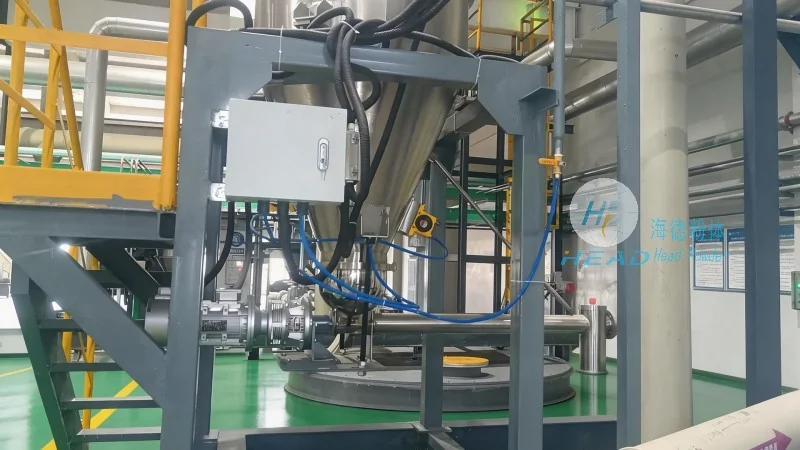
The cassava pneumatic conveying system is widely used in various stages of cassava processing, from raw material handling to final product production. In the initial stages, the system efficiently transports cassava from storage silos or fields to the processing plant, reducing the time and labor required for manual transport. During processing, the system can convey cassava to milling machines, drying ovens, or storage tanks, ensuring a continuous flow of material. The system is also used in the production of cassava starch, ethanol, or other value-added products, where consistent material transport is critical to maintaining product quality and yield. By integrating the system into the processing workflow, manufacturers can achieve higher productivity and lower operational costs.
The cassava pneumatic conveying system is a sophisticated and efficient technology that addresses the material handling challenges in cassava processing. By leveraging pneumatic conveying principles, this system offers significant advantages over traditional methods, including reduced labor costs, minimized contamination, and improved operational flexibility. With proper design, implementation, and maintenance, the system can enhance the overall efficiency and profitability of cassava processing operations. As the demand for cassava-based products continues to grow, the adoption of such advanced material handling systems will become increasingly important for manufacturers seeking to stay competitive in the market.

 Shandong Headpowder Engineering Co., Ltd.
 156-6277-7102(Manager Zhang)
  0531-83386006
  Zhangqiu District, Jinan City, Shandong Province, China
telephone
WeChatconsult
top