With more than 10‑year industry experience, Shandong Headpowder delivers full‑service pneumatic‑conveying systems and blowers, undertaking nationwide turn‑key powder‑handling projects.
HeadPowder, a leading engineering company based in Shandong, China, specializes in the design and implementation of advanced pneumatic conveying systems for various industrial applications. This article delves into the fundamental principles behind the operation of a quicklime powder pneumatic conveying system, highlighting the key components, working mechanisms, and practical applications that make such systems efficient and reliable in material handling processes.
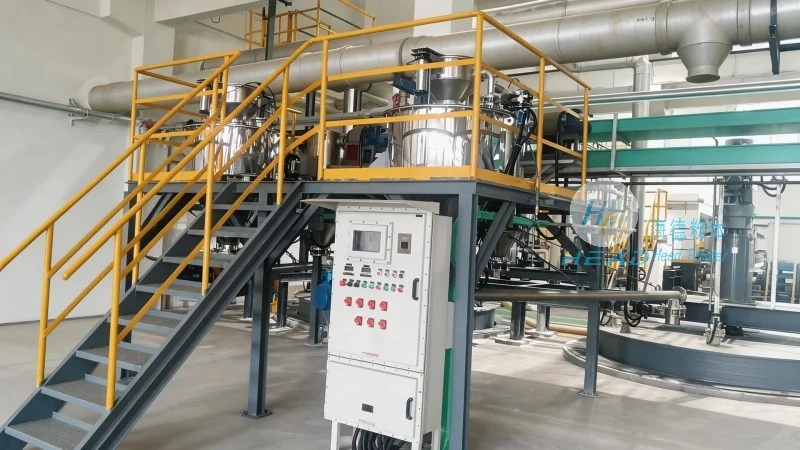
The electric lime powder pneumatic conveying system typically consists of several critical components that work in tandem to transport powder materials. These include a material feeder, a conveying line (often equipped with air ducts and pressure vessels), a control valve system, and a dust collection or separation unit. Each component plays a vital role in ensuring the smooth and efficient movement of quicklime powder from the source to the destination. The material feeder is responsible for accurately metering the powder, while the conveying line utilizes air pressure to propel the material through the system. The control valve system manages the flow and pressure, preventing backflow and maintaining system stability. Finally, the dust collection unit ensures compliance with environmental regulations by capturing any airborne particles.
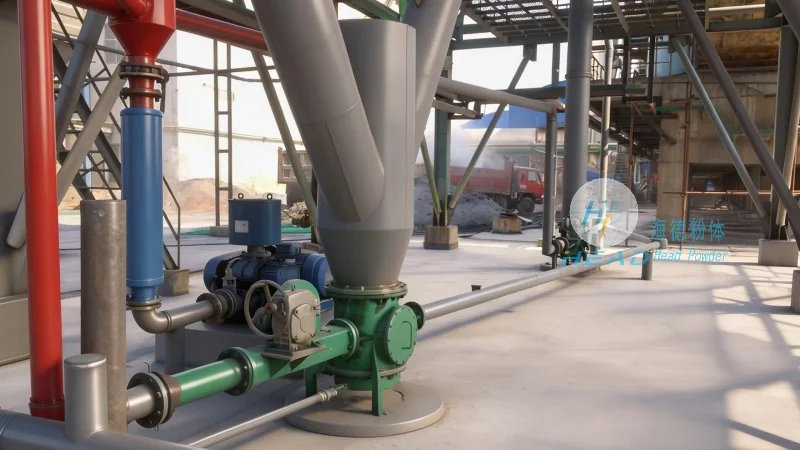
The core principle of the pneumatic conveying system is the use of compressed air to create a flow that transports the powder particles. In the case of quicklime powder, the system operates by introducing a controlled amount of air into the conveying line, which generates a pressure differential. This pressure differential propels the quicklime powder particles through the system. The system can be categorized into two main types: dilute-phase and dense-phase conveying. Dilute-phase systems use higher air velocities to transport the powder in a dispersed state, while dense-phase systems use lower air velocities to move the powder in a more concentrated manner, often with the assistance of a venturi or other pressure-boosting devices. The choice between these systems depends on factors such as the material's properties, the distance to be conveyed, and the required flow rate.

Implementing a pneumatic conveying system for quicklime powder offers numerous advantages over traditional methods like belt conveyors or bucket elevators. One of the primary benefits is the ability to handle fine powders without the risk of clogging or material degradation. The enclosed system also minimizes dust emissions, enhancing workplace safety and environmental compliance. Additionally, pneumatic conveying systems are highly flexible, allowing for easy integration with existing production lines and the ability to transport materials over long distances with minimal maintenance. The system's ability to handle varying flow rates and material types makes it a versatile solution for industrial applications, including chemical processing, cement production, and food processing industries.
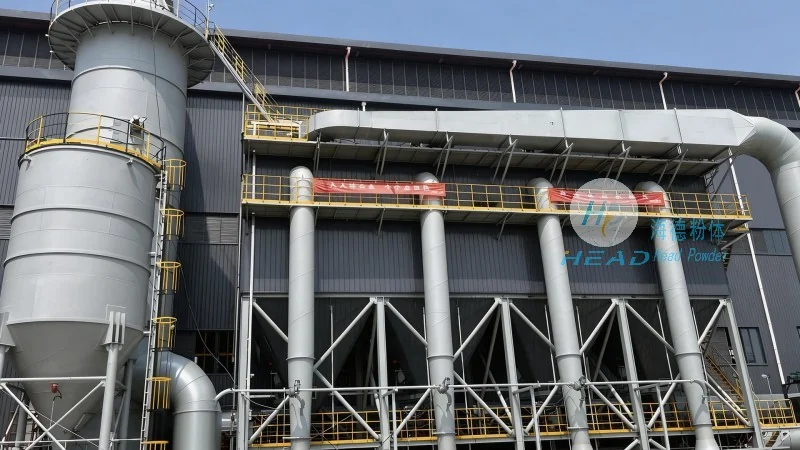
HeadPowder's electric lime powder pneumatic conveying systems are widely used in various industrial sectors. In the chemical industry, these systems are employed to transport quicklime powder to reactors or storage tanks, ensuring a consistent and controlled supply of raw materials. In cement production, the system efficiently conveys quicklime from grinding mills to the kiln, optimizing the production process and reducing energy consumption. The food processing industry also benefits from such systems, as they provide a hygienic and dust-free method of handling quicklime used in food processing or as a neutralizing agent. By leveraging the expertise of Shandong HeadPowder Engineering Co., Ltd., industries can enhance their operational efficiency and product quality through the implementation of reliable pneumatic conveying solutions.

 Shandong Headpowder Engineering Co., Ltd.
 156-6277-7102(Manager Zhang)
  0531-83386006
  Zhangqiu District, Jinan City, Shandong Province, China
telephone
WeChatconsult
top