With more than 10‑year industry experience, Shandong Headpowder delivers full‑service pneumatic‑conveying systems and blowers, undertaking nationwide turn‑key powder‑handling projects.
HeadPowder, a leading engineering company based in Shandong, China, specializes in the design, manufacturing, and installation of advanced pneumatic conveying systems for various industrial applications. This article provides a detailed overview of the operation process and working principle of a glass fiber powder material pneumatic conveying line, highlighting the key components, operational steps, and technical considerations that ensure efficient and reliable material transport.
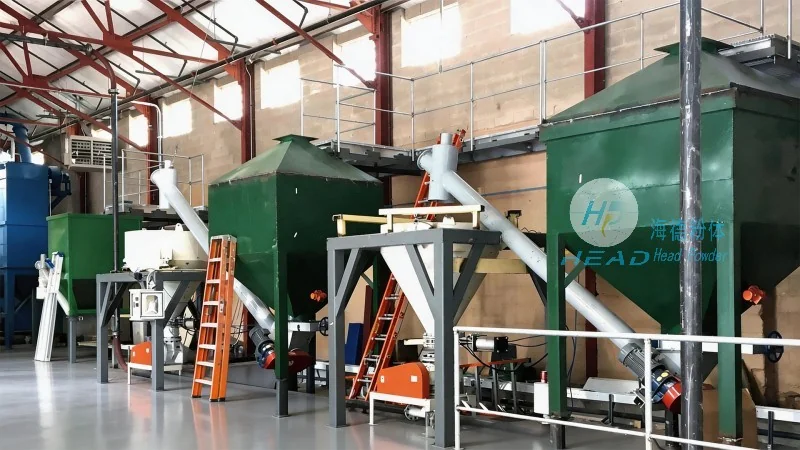
Glass fiber powder is widely used in industries such as construction, automotive, and aerospace due to its high strength, thermal stability, and corrosion resistance. However, the fine and abrasive nature of glass fiber powder poses unique challenges for material handling. Traditional methods like belt conveyors or bucket elevators may cause material degradation, clogging, or equipment wear. Pneumatic conveying systems offer a solution by transporting the powder through a pipeline using compressed air, providing a clean, dust-free, and efficient method for material transport. HeadPowder's expertise in pneumatic conveying technology ensures that their systems are tailored to handle the specific characteristics of glass fiber powder, minimizing downtime and maximizing productivity.
The glass fiber powder pneumatic conveying line consists of several critical components that work in tandem to achieve efficient material transport. These components include:
1. Feed Hopper: The feed hopper is the initial component where the glass fiber powder is stored and prepared for transport. It is designed with a sloped bottom to facilitate the smooth discharge of the powder into the conveying line. The hopper is equipped with a feeder, such as a rotary valve or a screw feeder, which controls the flow rate of the material into the pipeline.
2. Conveying Pipeline: The pipeline is the main channel through which the glass fiber powder is transported. It is typically made of stainless steel or other corrosion-resistant materials to withstand the abrasive nature of the glass fiber powder and prevent material buildup. The pipeline is equipped with bends, elbows, and straight sections to guide the material from the feed hopper to the discharge point.
3. Compressor and Air Treatment System: The compressor generates the compressed air required to move the glass fiber powder through the pipeline. The air treatment system includes filters, dryers, and regulators to ensure that the air is clean, dry, and at the appropriate pressure and flow rate. This system is crucial for maintaining the efficiency and longevity of the conveying line.
4. Receiver and Discharge Hopper: The receiver is the final component where the glass fiber powder is deposited after being transported through the pipeline. It is designed to collect the material and prevent it from escaping or being contaminated. The discharge hopper is equipped with a discharge valve or a rotary valve to control the release of the material to the next processing stage.
The operation of the glass fiber powder pneumatic conveying line follows a systematic process that ensures consistent and reliable material transport. The steps involved are as follows:
1. Material Loading: The glass fiber powder is loaded into the feed hopper from a storage silo or a bulk container. The feeder in the hopper regulates the flow rate of the material, ensuring a steady supply to the conveying line.
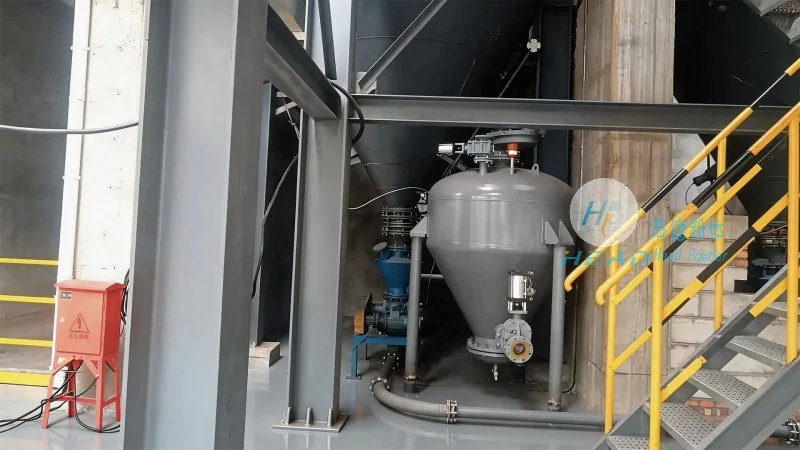
2. Air Compression and Injection: The compressor generates compressed air, which is then filtered and dried to remove moisture and contaminants. The compressed air is injected into the pipeline at the feed hopper end, creating a pressure differential that propels the glass fiber powder forward.
3. Powder Suspension and Transport: As the compressed air flows through the pipeline, it suspends the glass fiber powder particles, creating a slurry-like mixture. The air velocity is maintained at a level that prevents particle settling and ensures smooth transport. The pipeline design, including bends and elbows, is optimized to minimize pressure loss and maintain the suspension of the powder.
4. Material Delivery to Receiver: The suspended glass fiber powder travels through the pipeline to the receiver. The receiver is designed to decelerate the material and allow it to settle into the discharge hopper. The pressure in the receiver is controlled to prevent backflow and ensure a smooth discharge.
5. System Shutdown and Maintenance: After the material transport is complete, the system is shut down by first stopping the air supply and then the feeder. Regular maintenance, including cleaning the pipeline, replacing filters, and inspecting components, is essential to maintain the efficiency and longevity of the conveying line.
The working principle of the glass fiber powder pneumatic conveying line is based on the fundamental concept of fluidization and particle suspension. When compressed air is introduced into the pipeline, it creates a low-density environment that allows the glass fiber powder particles to be suspended and transported. The key principles involved are:
1. Pressure Differential: The compressor creates a pressure differential between the feed hopper and the receiver. This differential provides the driving force to move the glass fiber powder through the pipeline. The pressure is maintained at a level that ensures the powder remains suspended without causing excessive wear on the pipeline or components.
2. Air Velocity and Particle Size: The air velocity in the pipeline must be sufficient to suspend the glass fiber powder particles. The velocity is determined by the particle size, density, and flow rate of the material. For glass fiber powder, which is typically fine and abrasive, the air velocity is carefully controlled to prevent particle settling and minimize equipment wear.
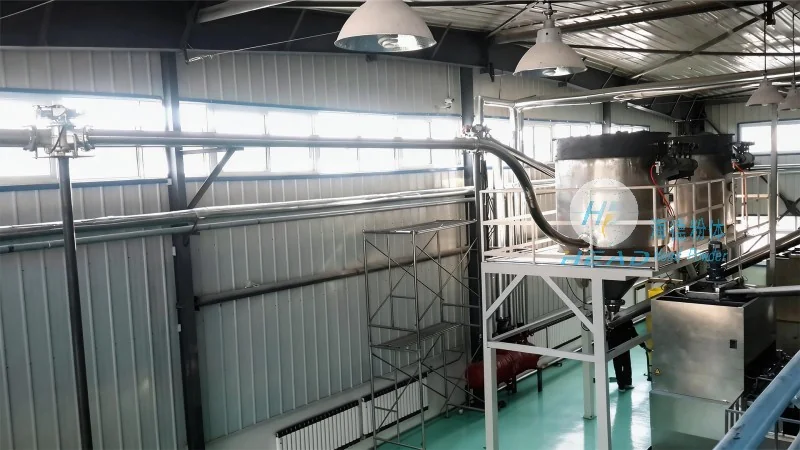
3. Pipeline Design and Flow Optimization: The design of the pipeline, including the diameter, length, and number of bends, is optimized to minimize pressure loss and maintain the suspension of the powder. The use of smooth, corrosion-resistant materials and proper pipe supports ensures that the conveying line operates efficiently and reliably.
4. Air Treatment and Filtration: The air treatment system is critical for maintaining the quality of the conveying line. Filters remove dust and particles from the compressed air, preventing clogging of the pipeline and components. Dryers remove moisture from the air, which is essential for preventing the glass fiber powder from clumping or adhering to the pipeline walls.
HeadPowder's glass fiber powder pneumatic conveying systems offer several advantages over traditional material handling methods. These advantages include:
1. Efficiency and Speed: Pneumatic conveying systems can transport glass fiber powder at high speeds, reducing the time required for material transport and increasing overall productivity.
2. Clean and Dust-Free Operation: The enclosed pipeline design prevents dust and particles from escaping into the environment, ensuring a clean and safe working environment.
3. Reduced Downtime: The system is designed to minimize material degradation and clogging, reducing downtime and maintenance costs.
4. Customization and Flexibility: HeadPowder's systems can be customized to meet the specific requirements of different industrial applications, ensuring optimal performance and efficiency.
Glass fiber powder pneumatic conveying lines are an essential component of modern industrial processes, providing efficient and reliable transport of fine and abrasive materials. HeadPowder's expertise in pneumatic conveying technology ensures that their systems are designed to handle the unique challenges of glass fiber powder, offering a solution that maximizes productivity, minimizes downtime, and ensures a clean and safe working environment. By understanding the operation process and working principle of these systems, industrial facilities can optimize their material handling processes and improve overall operational efficiency.

 Shandong Headpowder Engineering Co., Ltd.
 156-6277-7102(Manager Zhang)
  0531-83386006
  Zhangqiu District, Jinan City, Shandong Province, China
telephone
WeChatconsult
top