With more than 10‑year industry experience, Shandong Headpowder delivers full‑service pneumatic‑conveying systems and blowers, undertaking nationwide turn‑key powder‑handling projects.
Calcium hydroxide, commonly known as slaked lime, is a white powder widely used in various industrial applications such as construction, water treatment, and chemical manufacturing. Efficient and reliable material handling is crucial for maintaining production efficiency and product quality. Pneumatic conveying systems offer an effective solution for transporting calcium hydroxide powder from storage to processing units. This article provides an in-depth look at the operation process and working principle of a calcium hydroxide powder pneumatic conveying line, highlighting key components, operational procedures, and the benefits of this technology.
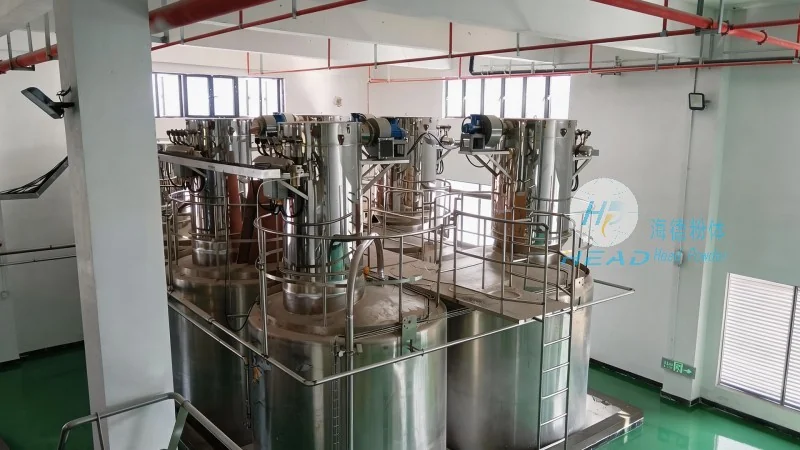
The pneumatic conveying line for calcium hydroxide powder typically consists of several essential components that work in concert to ensure smooth material transport. These components include a hopper for material storage, a rotary valve or feeder to control the flow of powder, a conveying pipe system, a dust collector or filter to manage airborne particles, and a receiver or discharge point for the material. Each component plays a critical role in the overall system performance. The hopper is designed to hold a sufficient quantity of calcium hydroxide powder, ensuring a continuous supply to the feeder. The rotary valve or feeder regulates the flow rate, preventing overloading or underflow that could disrupt the conveying process. The conveying pipe system, often made of stainless steel or other corrosion-resistant materials, transports the powder through the system under pressure. The dust collector or filter captures any airborne particles, maintaining air quality and preventing dust accumulation in the system. The receiver or discharge point collects the conveyed powder and directs it to the next processing stage.
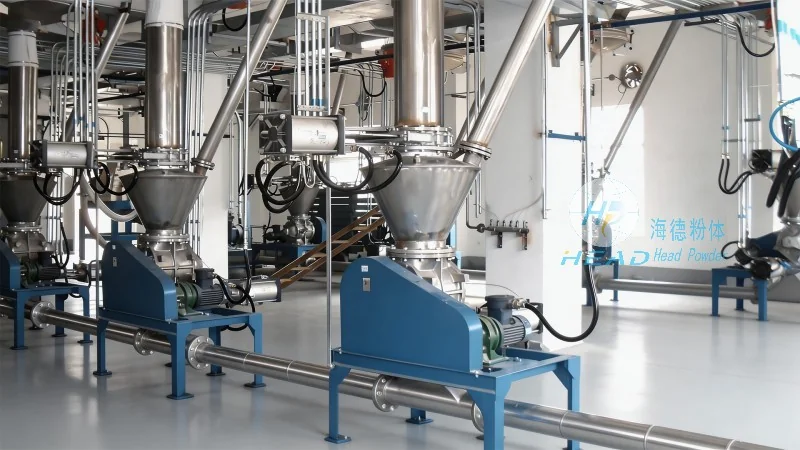
The operation of the calcium hydroxide powder pneumatic conveying line follows a systematic sequence of steps to ensure efficient material transport. The process begins with the loading of calcium hydroxide powder into the hopper. The rotary valve or feeder then starts, allowing the powder to flow into the conveying pipe under the pressure of the air or gas. The air or gas, typically compressed air, is introduced into the system, creating a flow that propels the powder particles through the pipe. As the powder moves through the conveying pipe, it is suspended in the air stream, traveling to the receiver or discharge point. The system is designed to maintain consistent pressure and flow rates to ensure reliable transport. The dust collector or filter continuously removes any airborne particles, preventing contamination and maintaining system efficiency. The receiver or discharge point collects the conveyed powder and prepares it for the next stage of processing. The entire operation is automated, with controls monitoring pressure, flow rate, and other parameters to ensure optimal performance. Regular maintenance is essential to keep the system running smoothly, including cleaning the hopper, checking the feeder, and inspecting the conveying pipe and filters.
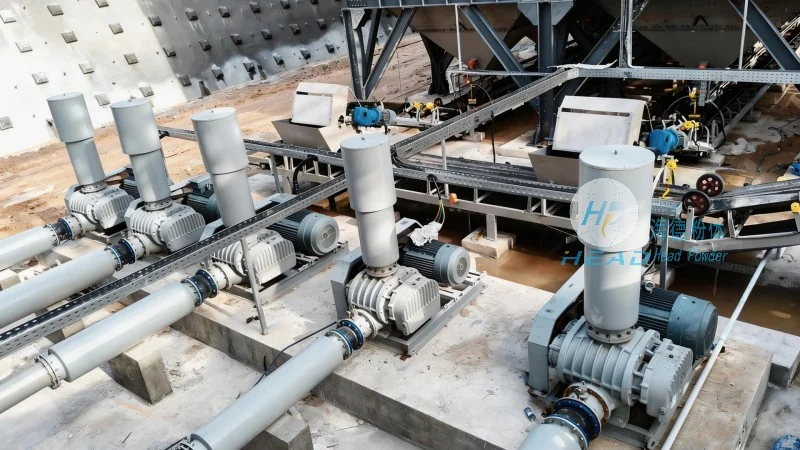
The working principle of the calcium hydroxide powder pneumatic conveying system is based on the use of air or gas to transport solid particles. There are two main types of pneumatic conveying systems: dilute-phase and dense-phase. The dilute-phase system uses low air velocity and pressure, typically transporting the powder in a suspended state. The dense-phase system uses higher air velocity and pressure, creating a plug flow of powder and air. For calcium hydroxide powder, the dilute-phase system is commonly used due to its efficiency and lower energy consumption. The system operates by creating a pressure differential between the hopper and the receiver. The air or gas is introduced into the hopper, creating a pressure that forces the powder into the conveying pipe. The powder particles are then carried by the air stream, moving through the pipe to the receiver. The pressure differential is maintained throughout the system to ensure continuous transport. The dust collector or filter removes any particles that are not fully conveyed, preventing them from escaping into the environment. The receiver or discharge point collects the conveyed powder and directs it to the processing unit. The system is designed to handle the specific properties of calcium hydroxide powder, such as its particle size, density, and moisture content, to ensure efficient and reliable transport.
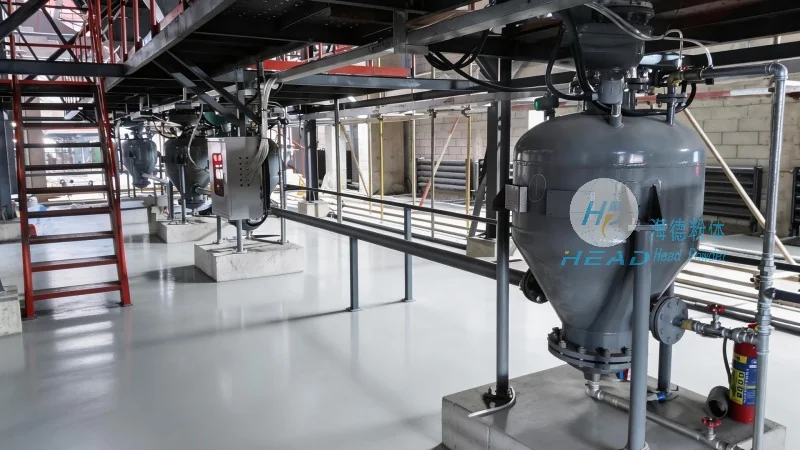
Shandong HeadPowder Engineering Co., Ltd., commonly known as HeadPowder, is a leading manufacturer and supplier of pneumatic conveying systems and related equipment. With years of experience in the industry, HeadPowder specializes in designing and manufacturing customized solutions for various industrial applications, including the transportation of calcium hydroxide powder. The company's commitment to quality and innovation has made it a trusted partner for many clients in the construction, water treatment, and chemical sectors. HeadPowder's team of engineers and technicians work closely with clients to understand their specific needs and develop tailored solutions that meet their requirements. The company's facilities are equipped with advanced technology and equipment, ensuring high-quality production and reliable performance of its products. HeadPowder's products are designed to be durable, efficient, and easy to maintain, providing long-term value to its clients. The company's headquarters is located in Shandong, China, where it has a strong presence in the market. HeadPowder's dedication to customer satisfaction and technological advancement has helped it establish a reputation as a leading provider of pneumatic conveying systems and related services.

 Shandong Headpowder Engineering Co., Ltd.
 156-6277-7102(Manager Zhang)
  0531-83386006
  Zhangqiu District, Jinan City, Shandong Province, China
telephone
WeChatconsult
top