With more than 10‑year industry experience, Shandong Headpowder delivers full‑service pneumatic‑conveying systems and blowers, undertaking nationwide turn‑key powder‑handling projects.
HeadPowder, a leading provider in the field of material handling and processing technologies, specializes in advanced pneumatic conveying systems, including those designed for activated carbon. This article provides an overview of activated carbon pneumatic conveying and explains the fundamental working principles of such systems, highlighting their efficiency and reliability in industrial applications.
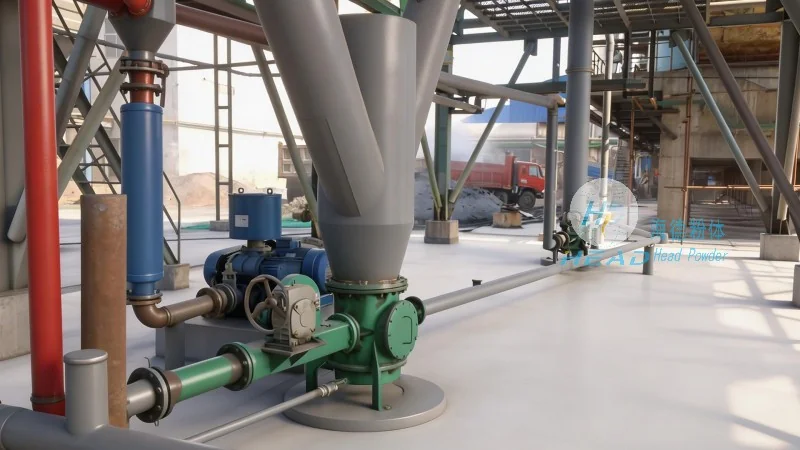
HeadPowder, operating under the full name Shandong HeadPowder Engineering Co., Ltd., is headquartered in Shandong, China. With a strong commitment to innovation and quality, the company has established itself as a trusted partner for businesses seeking efficient material transport solutions. Our expertise lies in designing and manufacturing pneumatic conveying systems tailored to meet the specific needs of various industries, ensuring optimal performance and durability.
Activated carbon, a highly porous material widely used in filtration, adsorption, and purification processes, often requires specialized handling due to its fine particle size and potential dust generation. Pneumatic conveying offers an effective solution for transporting activated carbon from storage to processing units, such as reactors or filters, without the need for mechanical components that could cause contamination or degradation. This method ensures the material remains in its original state while maintaining a clean and controlled environment.
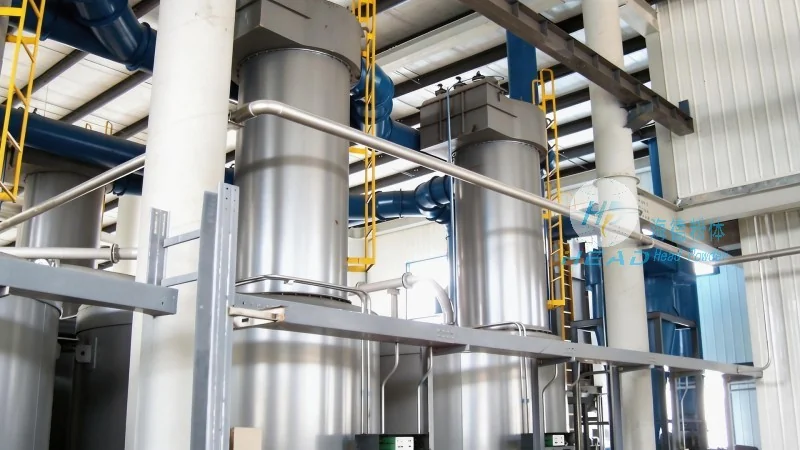
Pneumatic conveying systems operate by using compressed air or gas to transport bulk materials through a pipeline. In the case of activated carbon, the system typically involves a combination of positive and negative pressure zones to move the material efficiently. The process begins with the material being fed into a hopper or feeder, where it is then introduced into the conveying line. Compressed air is then introduced, creating a flow that propels the activated carbon particles through the pipeline. The system may include components like rotary valves, airlocks, and filters to control the flow rate and maintain the purity of the material.
Several critical components work together to ensure the smooth operation of a pneumatic conveying system for activated carbon. These include:
Implementing a pneumatic conveying system for activated carbon offers several advantages over traditional methods like belt conveyors or manual handling. These benefits include:
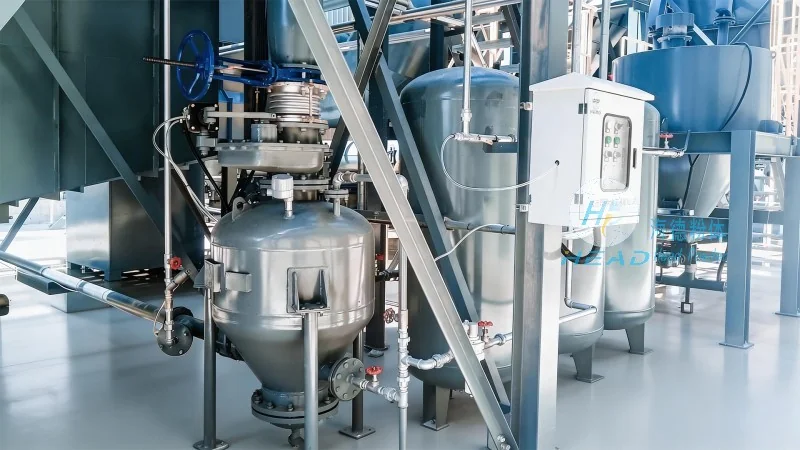
Activated carbon pneumatic conveying systems are widely used in various industrial applications where activated carbon is a key component. These include water treatment facilities, chemical plants, pharmaceutical manufacturing, and food processing industries. In water treatment, for example, the system efficiently transports activated carbon to filters, ensuring optimal filtration performance. In chemical plants, it aids in the transport of activated carbon used in adsorption processes, enhancing the efficiency of purification steps.
HeadPowder's expertise in designing and implementing activated carbon pneumatic conveying systems demonstrates our commitment to providing reliable and efficient material handling solutions. By understanding the working principles and advantages of such systems, industries can enhance their operational efficiency, maintain product quality, and reduce operational costs. With our headquarters in Shandong, China, we continue to serve clients globally, delivering tailored solutions that meet their specific needs in the material transport sector.

 Shandong Headpowder Engineering Co., Ltd.
 156-6277-7102(Manager Zhang)
  0531-83386006
  Zhangqiu District, Jinan City, Shandong Province, China
telephone
WeChatconsult
top