With more than 10‑year industry experience, Shandong Headpowder delivers full‑service pneumatic‑conveying systems and blowers, undertaking nationwide turn‑key powder‑handling projects.
For those in the agricultural processing industry, efficient material handling is a critical factor in optimizing production lines and ensuring product quality. Among the various methods available, pneumatic conveying systems have emerged as a versatile and effective solution for transporting bulk materials like dry soybeans. This article provides an overview of dry soybean pneumatic conveying, detailing the fundamental principles and operational aspects of such systems.
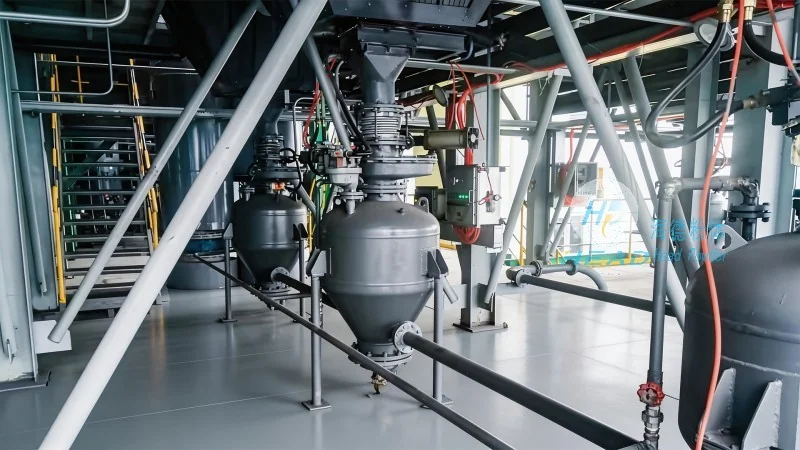
Pneumatic conveying systems utilize air or gas to transport solid materials through a pipeline network. The core components of these systems typically include a material feeder, a conveying line, a control valve, and a dust collector or filter. The system operates by creating a pressure differential between the inlet and outlet of the pipeline, which propels the material forward. There are two primary types of pneumatic conveying: pressure and vacuum systems. Pressure systems use compressed air to push material through the line, while vacuum systems employ a vacuum to draw material into the pipeline.
The effectiveness of a pneumatic conveying system for dry soybeans depends on several key components working in harmony. The material feeder is responsible for introducing the dry soybeans into the system at a controlled rate, ensuring consistent flow. This component often includes a hopper or bin that holds the soybeans and a feeder mechanism, such as a rotary valve or screw feeder, to regulate the material discharge. The conveying line itself is usually made of stainless steel or other corrosion-resistant materials to withstand the abrasive nature of soybeans and prevent contamination. The control valve, often a rotary or slide valve, regulates the flow of air and material, allowing for adjustments based on operational needs. Finally, the dust collector or filter is essential for maintaining air quality and preventing the release of fine particles into the environment.
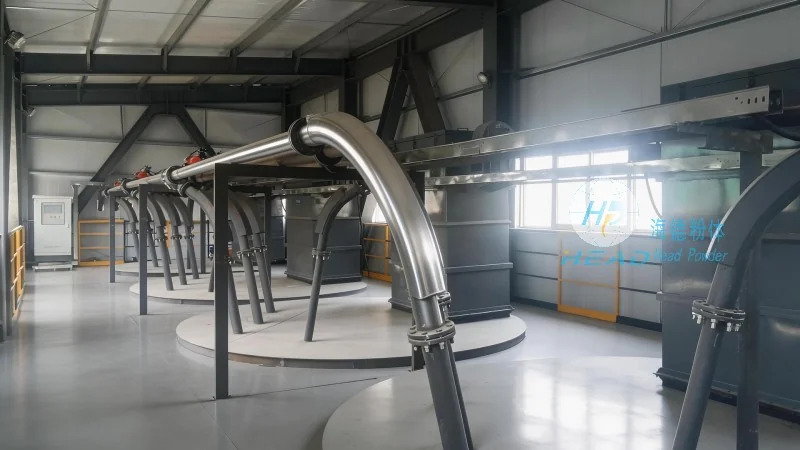
The working principle of a dry soybean pneumatic conveying system involves the creation of a high-velocity air stream within the conveying line. As compressed air is introduced into the system, it accelerates the dry soybeans, propelling them through the pipeline. The air velocity must be sufficient to overcome the gravitational forces acting on the soybeans and maintain a stable flow. The system's design, including the diameter of the pipeline and the length of the conveying line, is critical in determining the air velocity required for efficient transport. Proper sizing ensures that the air-to-material ratio is optimized, balancing energy efficiency with effective material movement.
Implementing a pneumatic conveying system for dry soybeans offers several advantages over traditional methods like belt conveyors or bucket elevators. One of the primary benefits is the ability to transport materials in a closed system, which minimizes dust exposure and improves workplace safety. This is particularly important in food processing environments where hygiene and product purity are paramount. Additionally, pneumatic conveying systems can handle a wide range of material sizes and densities, making them suitable for various processing stages, from raw material intake to packaging. The systems are also relatively compact, allowing for integration into existing production lines without significant space requirements. Furthermore, pneumatic conveying can reduce labor costs by automating material handling processes and minimizing the need for manual intervention.
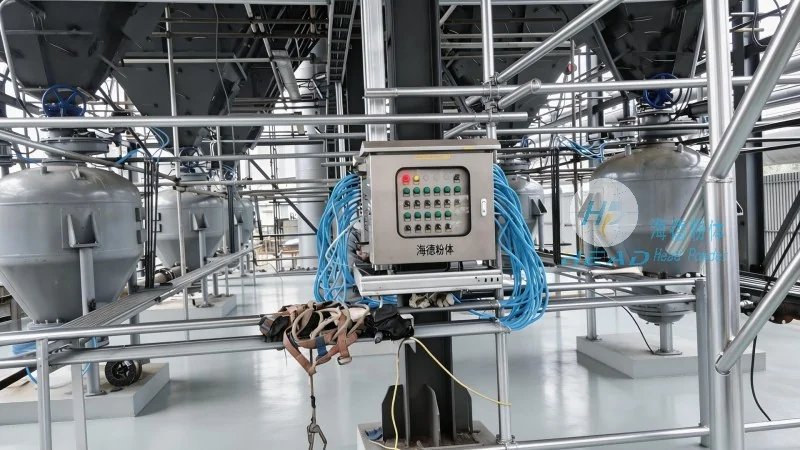
When designing a pneumatic conveying system for dry soybeans, several factors must be considered to ensure optimal performance and longevity. The first consideration is the material characteristics of the dry soybeans, including their size, shape, and moisture content. These factors influence the air velocity and pressure required for effective transport. For example, larger or irregularly shaped soybeans may require higher air velocities to prevent blockages or uneven flow. The system's capacity and throughput must also be matched to the production requirements, ensuring that the conveying rate can meet or exceed the processing demands. Additionally, the system's layout, including the number and location of bends and vertical lifts, affects the overall efficiency and energy consumption. Properly designed bends and vertical sections minimize pressure losses and prevent material degradation. Finally, the choice of materials for the system components, such as the pipeline and valves, is critical to withstand the abrasive nature of soybeans and resist corrosion from moisture or other contaminants.
Dry soybean pneumatic conveying systems are widely used in various stages of soybean processing. In the initial stages, the system can transport raw dry soybeans from storage bins to processing equipment, such as hullers or cleaners. During the processing phase, pneumatic conveying is used to move intermediate products, like dehulled soybeans or flakes, between different processing units. In the final stages, the system can transport finished products, such as soybean meal or oil, to packaging facilities. The versatility of pneumatic conveying allows it to integrate seamlessly into existing production lines, enhancing overall operational efficiency and reducing downtime.
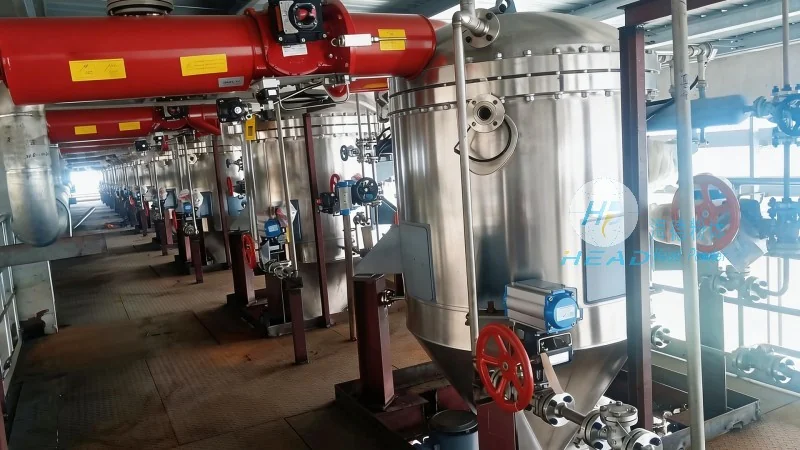
To ensure the long-term reliability and efficiency of a dry soybean pneumatic conveying system, regular maintenance and proper operational practices are essential. Regular cleaning of the conveying line and components is crucial to prevent the buildup of soybean residue, which can lead to blockages and increased pressure losses. The air filter and dust collector should be inspected and replaced as needed to maintain air quality and prevent system inefficiencies. Additionally, the feeder mechanism should be checked for proper operation and adjusted as necessary to maintain consistent material flow. Monitoring the system's pressure and air flow rates can help identify potential issues early, allowing for timely maintenance and reducing the risk of system failure. Proper training of operators on the system's operation and maintenance procedures is also vital in ensuring optimal performance and extending the system's lifespan.
Pneumatic conveying systems represent a sophisticated and efficient solution for handling dry soybeans in agricultural processing applications. By understanding the working principles and key components of such systems, as well as the design considerations and operational best practices, businesses can optimize their material handling processes and improve overall productivity. The advantages of closed system operation, versatility, and compact design make pneumatic conveying an attractive option for soybean processing facilities. With proper design, maintenance, and operation, these systems can provide reliable and cost-effective material transport, contributing to the success of agricultural processing operations.

 Shandong Headpowder Engineering Co., Ltd.
 156-6277-7102(Manager Zhang)
  0531-83386006
  Zhangqiu District, Jinan City, Shandong Province, China
telephone
WeChatconsult
top