

Introduction to Calcined Gypsum Pneumatic Conveying and the Working Principle of Pneumatic Conveying
Calcined gypsum, also known as plaster of Paris, is a widely used industrial material in construction, pharmaceuticals, and other sectors. The efficient transportation of this material from production sites to processing or packaging facilities is crucial for maintaining production efficiency and product quality. Pneumatic conveying systems have emerged as a reliable solution for handling calcined gypsum, offering advantages over traditional methods like belt conveyors or bucket elevators.
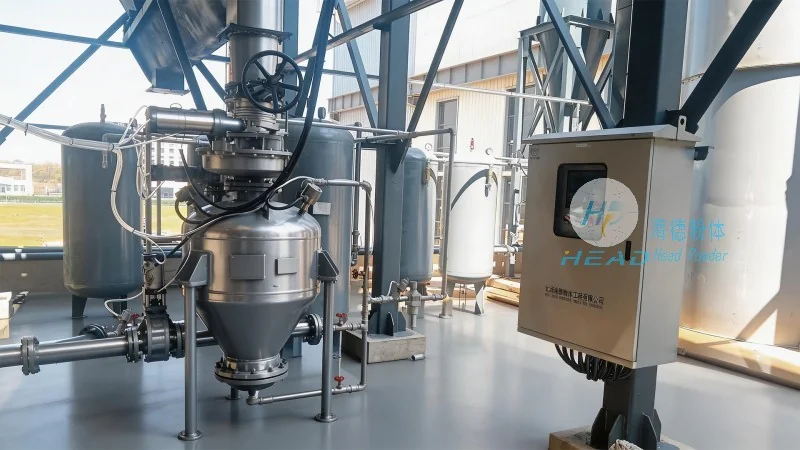
Company Overview: Shandong HeadPowder Engineering Co., Ltd.
Shandong HeadPowder Engineering Co., Ltd., commonly known as HeadPowder, is a leading provider of industrial conveying solutions. With a focus on innovation and customer-centric design, the company specializes in developing and manufacturing pneumatic conveying systems tailored to the unique needs of various industries. HeadPowder's expertise lies in creating efficient, low-maintenance, and cost-effective systems that ensure seamless material handling for clients worldwide.
Introduction to Calcined Gypsum Pneumatic Conveying Systems
Calcined gypsum pneumatic conveying systems are designed to transport calcined gypsum powder through a network of pipes using compressed air or other gas streams. This method eliminates the need for mechanical components like belts or buckets, reducing friction and wear on the material. The system typically consists of a hopper, a feeder, a pipeline network, and a receiver, all working in tandem to move the material from the source to the destination.
Working Principle of Pneumatic Conveying Systems
The core principle of pneumatic conveying is the use of air flow to transport particulate materials. In the case of calcined gypsum, the system operates by feeding the powder into a hopper, where it is then drawn into the pipeline by a fan or blower. The compressed air creates a flow that carries the gypsum particles through the pipes, ensuring a consistent and controlled transport process. The system can be configured as either a positive or negative pressure system, depending on the specific requirements of the application.
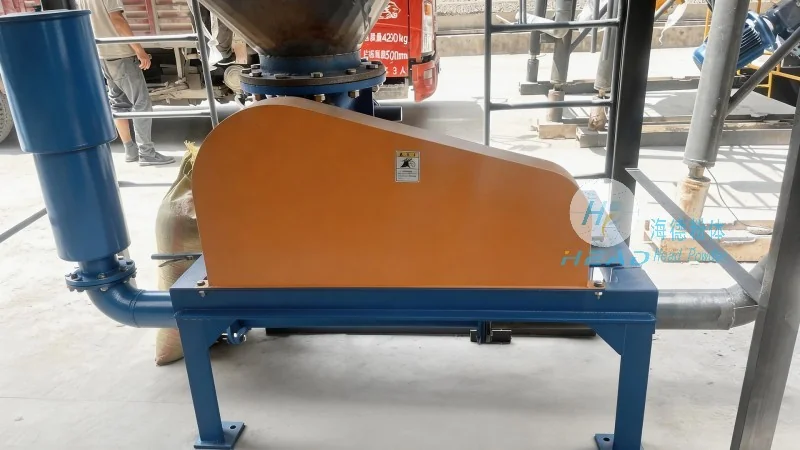
Key Components and Their Functions
Several critical components make up a calcined gypsum pneumatic conveying system. The hopper serves as the storage and feeding unit, ensuring a steady supply of material. The feeder, often a rotary valve or a screw feeder, regulates the flow rate of the gypsum into the pipeline. The pipeline network connects the various components and transports the material to the receiver. The receiver, typically a silo or a storage tank, collects the material at the end of the conveying line. The fan or blower provides the necessary air pressure to drive the material through the system, with the pressure level adjusted based on the material's properties and the system's layout.
Advantages of Pneumatic Conveying for Calcined Gypsum
Compared to traditional conveying methods, pneumatic conveying offers several advantages for calcined gypsum. First, it minimizes product contamination and degradation, as the material is not in direct contact with mechanical parts. Second, it reduces labor costs and maintenance requirements, as there are fewer moving parts. Third, it provides a more hygienic and dust-free environment, which is particularly important in pharmaceutical and food processing applications. Additionally, pneumatic systems can handle a wide range of material sizes and densities, making them versatile for different industrial needs.
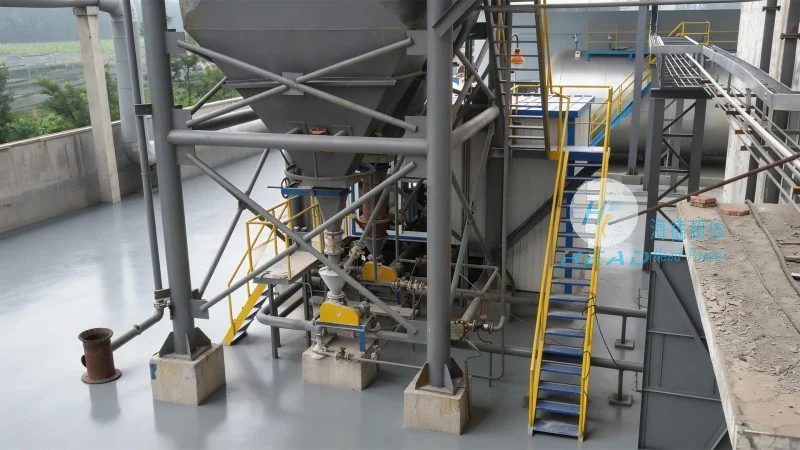
Applications and Industries
Calcined gypsum pneumatic conveying systems are widely used in various industries. In the construction industry, they are used to transport gypsum for wallboard production and other building materials. In the pharmaceutical industry, they help in the handling of gypsum-based excipients or active ingredients. The chemical industry also utilizes these systems for transporting gypsum in the production of plaster and other products. HeadPowder's systems are designed to meet the specific requirements of each industry, ensuring optimal performance and reliability.
Customization and Integration
HeadPowder understands that each industrial application has unique requirements. Therefore, the company offers customized pneumatic conveying solutions tailored to the client's needs. This includes designing systems with different pressure levels, pipe sizes, and material handling capacities. The company also provides integration services, ensuring that the new conveying system works seamlessly with existing production lines and equipment. With a focus on quality and customer satisfaction, HeadPowder aims to deliver systems that not only meet but exceed the expectations of its clients.
Conclusion
Pneumatic conveying systems represent a sophisticated and efficient solution for the transportation of calcined gypsum. By leveraging compressed air to move the material, these systems offer numerous benefits over traditional methods, including reduced contamination, lower maintenance, and improved operational efficiency. Shandong HeadPowder Engineering Co., Ltd. stands as a trusted partner in providing advanced pneumatic conveying solutions, helping industries optimize their material handling processes and enhance overall productivity.