

Introduction to Pneumatic Conveying of Metal Iron Powder and Explanation of the Working Principle of
Understanding the mechanics of pneumatic conveying systems is crucial for industries dealing with bulk materials, particularly when handling sensitive or abrasive substances like metal iron powder. This article provides an overview of the technology used to transport metal iron powder through pneumatic systems, detailing the fundamental principles and operational aspects that make such systems effective in industrial applications.
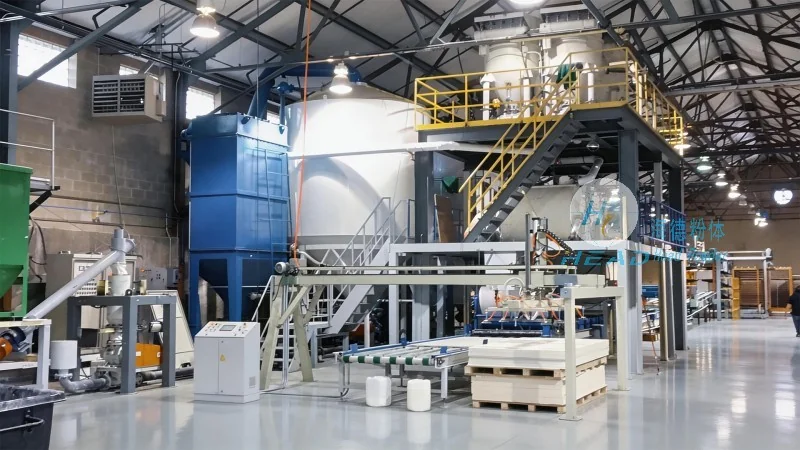
What is Pneumatic Conveying?
Pneumatic conveying, also known as pneumatic transport, is a method of transporting solid materials in a gas stream, typically air. The process involves using pressure or vacuum to move particles from one location to another within a system of pipes or ducts. This technique is widely used in various industries, including chemical, food, and metal processing, due to its ability to handle a wide range of materials and its relatively low maintenance requirements compared to other bulk material handling methods.
The Working Principle of Pneumatic Conveying Systems
The core of a pneumatic conveying system lies in its ability to generate the necessary force to move material through the system. There are two primary types of pneumatic conveying: pressure and vacuum systems. In pressure systems, air is compressed and introduced at the discharge end of the system, pushing the material forward. Conversely, vacuum systems use a vacuum pump to create a low-pressure environment at the intake, drawing material into the system. For metal iron powder, the choice of system depends on factors such as the material's properties, the distance to be covered, and the desired flow rate.
Pneumatic Conveying of Metal Iron Powder: Key Considerations
When transporting metal iron powder, several factors must be considered to ensure efficient and safe operation. The particle size, density, and flowability of the iron powder are critical. Coarser particles may require higher air velocities to maintain suspension, while finer particles can be more prone to caking or agglomeration, which can affect system performance. Additionally, the system must be designed to prevent material degradation, such as oxidation or contamination, which is especially important for metal powders used in high-value applications like metallurgy or additive manufacturing.
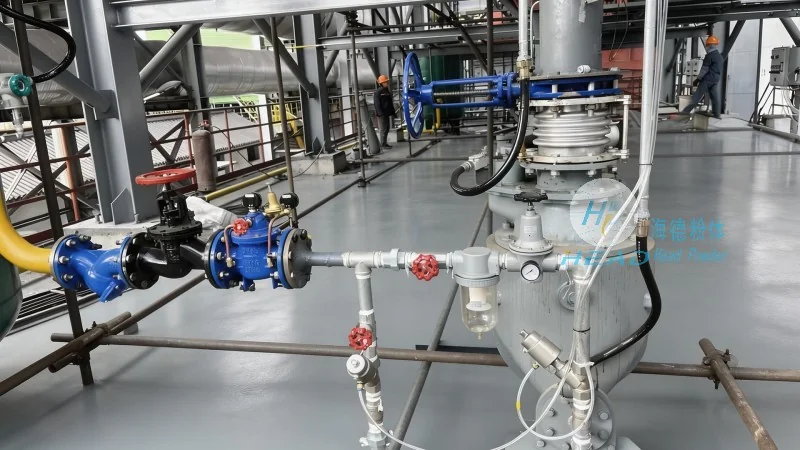
HeadPowder: Specializing in Pneumatic Conveying Solutions
Shandong HeadPowder Engineering Co., Ltd., commonly known as HeadPowder, is a leading provider of customized pneumatic conveying systems tailored to the needs of industrial clients. With operations based in Shandong, China, HeadPowder leverages decades of experience in the field to design, manufacture, and implement efficient and reliable systems for handling metal iron powder and other bulk materials. The company's expertise lies in understanding the unique challenges of each application, from material properties to operational constraints, ensuring that the final solution meets both performance and safety standards.
System Components and Their Roles
A typical pneumatic conveying system for metal iron powder consists of several key components, each playing a vital role in the overall operation. These include the material feeder, which introduces the iron powder into the system; the air compressor or vacuum pump, which provides the necessary pressure or vacuum; the conveying line, which transports the material; and the separation or collection equipment, which removes the material from the air stream. The material feeder is often designed to handle the specific flow characteristics of metal iron powder, ensuring a consistent feed rate. The air compressor or vacuum pump must be capable of delivering the required air volume and pressure to maintain material suspension and prevent blockages. The conveying line is typically made of materials resistant to corrosion and wear, such as stainless steel, to withstand the abrasive nature of metal powders. The separation equipment, such as cyclones or filters, efficiently separates the iron powder from the air, ensuring minimal loss and proper material recovery.
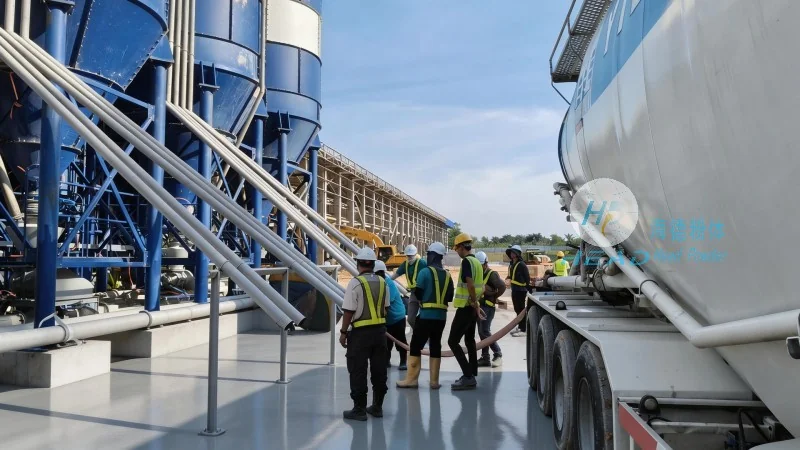
Advantages of Pneumatic Conveying for Metal Iron Powder
Compared to traditional methods like belt conveyors or bucket elevators, pneumatic conveying offers several advantages when handling metal iron powder. One of the most significant benefits is the ability to transport materials in a closed system, which helps prevent contamination and exposure to the environment. This is particularly important for metal powders used in pharmaceutical or food industries, where purity is paramount. Additionally, pneumatic systems can handle materials with a wide range of particle sizes and flowabilities, making them versatile for various applications. The closed system also reduces dust emissions, improving workplace safety and compliance with environmental regulations. Furthermore, pneumatic conveying can be more energy-efficient in certain scenarios, especially when transporting materials over short distances, as it eliminates the need for mechanical components like rollers or chains that require constant maintenance.
Challenges and Mitigation Strategies
Despite its advantages, pneumatic conveying of metal iron powder comes with its own set of challenges. One common issue is the potential for material blockages or clogging within the system, particularly with fine or cohesive powders. To mitigate this, systems are often equipped with features such as in-line mixers or vibration devices that help break up agglomerates and maintain material flow. Another challenge is the wear and corrosion of system components due to the abrasive nature of metal powders. HeadPowder addresses this by using high-quality materials, such as stainless steel and specialized coatings, to extend the lifespan of the equipment. Additionally, the system must be designed to handle variations in material properties, such as changes in moisture content or particle size, which can affect performance. Regular maintenance and monitoring are essential to ensure the system operates efficiently and reliably over time.
Conclusion
Pneumatic conveying systems represent a sophisticated and effective solution for transporting metal iron powder in industrial settings. By understanding the fundamental principles of pressure and vacuum systems, and considering the specific characteristics of metal powders, industries can optimize their material handling processes. Companies like Shandong HeadPowder Engineering Co., Ltd. play a crucial role in developing and implementing these systems, ensuring that clients receive tailored solutions that meet their operational and safety requirements. As technology continues to advance, the efficiency and reliability of pneumatic conveying systems are expected to improve, further solidifying their position as a preferred method for bulk material transport in the metal processing industry.