With more than 10‑year industry experience, Shandong Headpowder delivers full‑service pneumatic‑conveying systems and blowers, undertaking nationwide turn‑key powder‑handling projects.
Phosphate powder, a critical raw material in the fertilizer and chemical industries, often requires efficient and reliable transportation methods to ensure smooth production processes. Pneumatic conveying systems have emerged as a preferred solution for handling such powders due to their ability to transport materials over long distances, maintain product integrity, and enhance operational safety. This article provides an overview of phosphate powder pneumatic conveying systems, detailing their working principles and the key factors that contribute to their effectiveness in industrial applications.
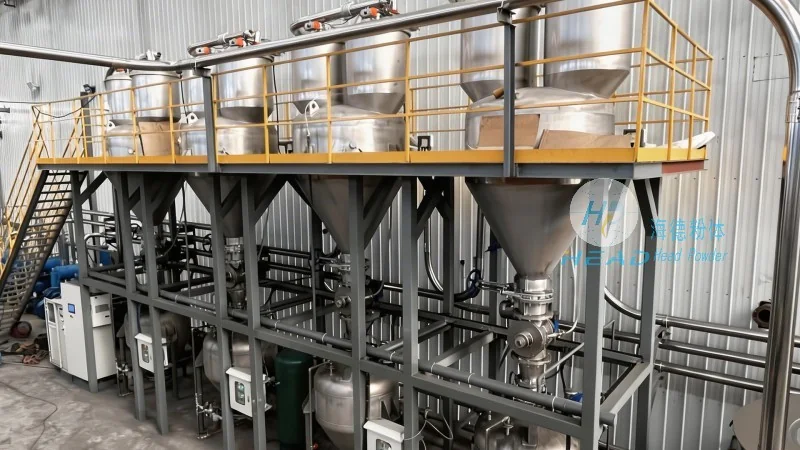
Pneumatic conveying systems utilize air or gas to transport bulk materials, such as phosphate powder, through a network of pipes. The process typically involves creating a pressure differential between the inlet and outlet of the system, which propels the material forward. There are two primary types of pneumatic conveying: pressure and vacuum systems. Pressure systems operate by forcing air or gas into the conveying line under pressure, while vacuum systems create a negative pressure at the inlet to draw material into the system. For phosphate powder, which is often fine and abrasive, the choice of system depends on factors like material properties, distance to be conveyed, and the desired flow rate.
The core of a pneumatic conveying system involves several key components: a feeder, a conveying line, a separator, and a receiver. The process begins with the feeder, which meters the phosphate powder into the system at a controlled rate. This is followed by the conveying line, which transports the material using air or gas. The separator then separates the material from the air stream, typically by using a cyclone or bag filter, and directs the material to the receiver. The receiver stores the conveyed phosphate powder until it is ready for further processing. The air used in the system is then filtered and recirculated to maintain efficiency and reduce waste.
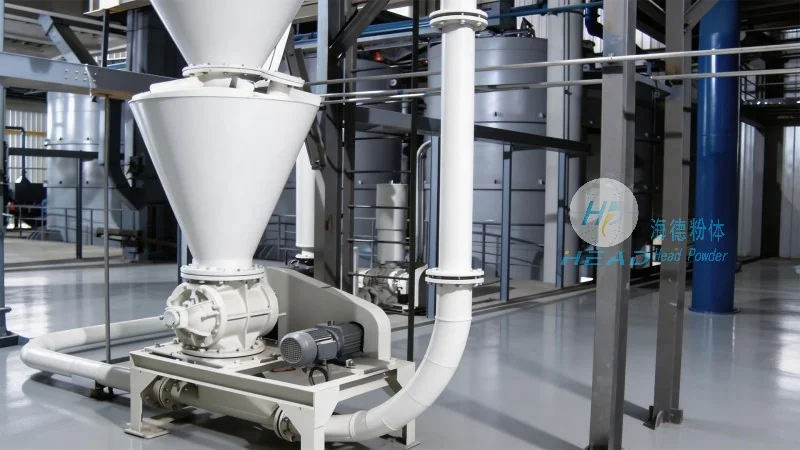
Implementing pneumatic conveying systems for phosphate powder offers numerous advantages. Firstly, it eliminates the need for mechanical components like belts or buckets, reducing maintenance costs and minimizing the risk of material contamination. Secondly, the system can handle fine and abrasive powders without causing wear and tear, ensuring long-term operational reliability. Thirdly, pneumatic conveying allows for flexible and scalable solutions, as the system can be easily expanded or modified to accommodate changing production needs. Additionally, the enclosed nature of the system prevents dust emissions, enhancing workplace safety and compliance with environmental regulations.
Shandong HeadPowder Engineering Co., Ltd., a leading manufacturer of pneumatic conveying equipment, specializes in providing customized solutions for phosphate powder handling. With years of experience in the industry, HeadPowder understands the unique challenges associated with transporting fine and abrasive materials like phosphate powder. The company’s expertise lies in designing and manufacturing high-quality pneumatic conveying systems that meet the specific requirements of each client. From small-scale applications to large industrial plants, HeadPowder offers a range of products tailored to different production capacities and operational conditions.
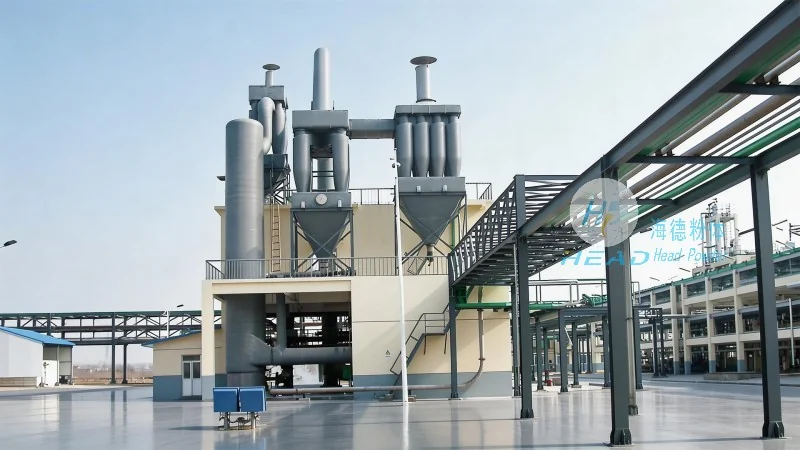
HeadPowder’s pneumatic conveying systems are designed to optimize the handling of phosphate powder, ensuring efficient and reliable operation. The company’s engineers work closely with clients to assess their specific needs, including material properties, conveying distance, and desired flow rates. Based on this assessment, they design a system that maximizes efficiency while minimizing energy consumption and maintenance requirements. HeadPowder’s products include pressure and vacuum conveying systems, as well as advanced components like rotary valves, cyclone separators, and dust collectors. Each component is manufactured with high-quality materials to ensure durability and long service life.
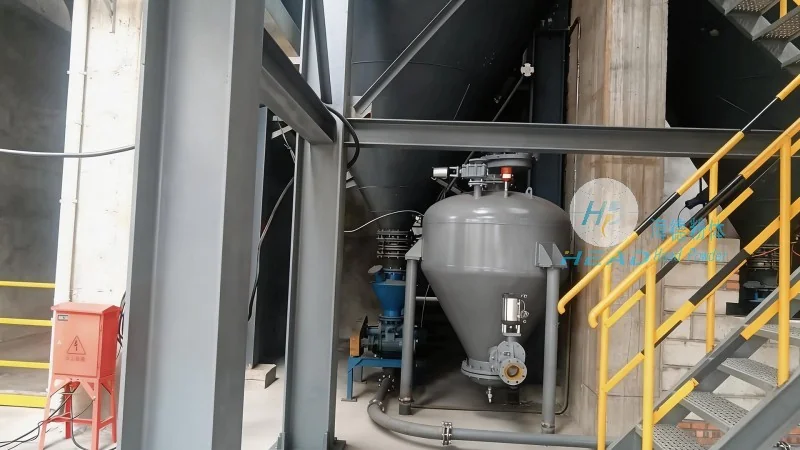
For phosphate powder, maintaining product integrity is crucial, as the material is often used in sensitive applications such as fertilizer production. HeadPowder’s pneumatic conveying systems are designed to minimize product degradation and contamination. The enclosed system prevents exposure to moisture and air, which can affect the quality of the powder. Additionally, the system’s gentle handling reduces the risk of agglomeration or particle breakage, preserving the powder’s original characteristics. Safety is also a top priority at HeadPowder, with systems incorporating features like pressure relief valves and emergency shut-off mechanisms to prevent accidents and ensure operator safety.
Pneumatic conveying systems are an essential technology for efficiently handling phosphate powder in industrial applications. With their ability to transport materials over long distances, maintain product integrity, and enhance operational safety, these systems offer significant advantages over traditional methods. Shandong HeadPowder Engineering Co., Ltd. provides reliable and customized pneumatic conveying solutions that meet the specific needs of phosphate powder handling, ensuring optimal performance and long-term success for their clients. By leveraging the expertise and experience of HeadPowder, industries can achieve efficient and safe transportation of phosphate powder, supporting their production processes and contributing to overall operational excellence.

 Shandong Headpowder Engineering Co., Ltd.
 156-6277-7102(Manager Zhang)
  0531-83386006
  Zhangqiu District, Jinan City, Shandong Province, China
telephone
WeChatconsult
top