

Introduction to Rice Bran Pneumatic Conveying and the Working Principle of Pneumatic Conveying Syste
HeadPowder, a leading provider of industrial conveying solutions, specializes in advanced pneumatic conveying systems tailored for various bulk material handling applications. Based in Shandong, China, the company has established itself as a trusted partner for businesses seeking efficient and reliable material transport technologies. This article provides an overview of pneumatic conveying systems, with a specific focus on their application in rice bran handling, and explains the fundamental principles that drive their operation.
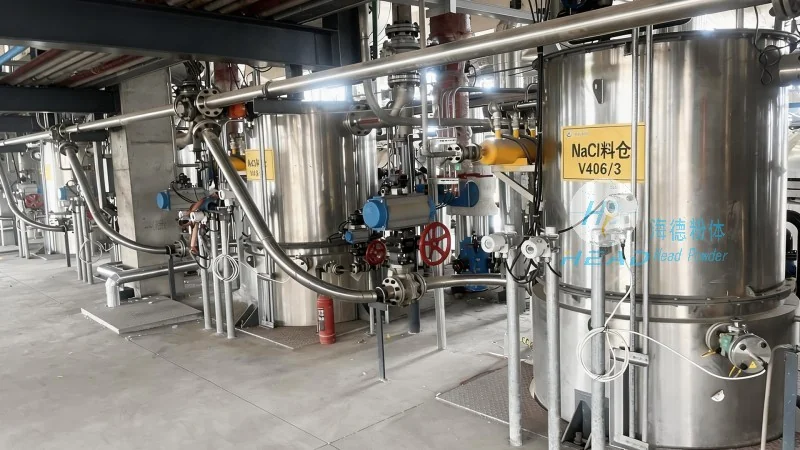
Understanding Pneumatic Conveying Systems
Pneumatic conveying systems are mechanical devices that use pressurized air or vacuum to transport bulk materials from one location to another. Unlike traditional methods such as belt conveyors or screw conveyors, pneumatic systems offer several advantages, including the ability to handle fine powders, granules, and other particulate materials without the need for mechanical contact. This makes them particularly suitable for sensitive products like rice bran, which can be easily damaged or contaminated by friction and abrasion.
The Working Principle of Pneumatic Conveying
The core of a pneumatic conveying system is the air flow mechanism, which can operate under either positive pressure (pressure conveying) or negative pressure (vacuum conveying). In pressure conveying, a blower or compressor generates high-pressure air that pushes the material through a pipeline. The material is typically fed into the system using a hopper or feeder, and the air flow ensures that the particles are carried along the pipeline to the discharge point. Vacuum conveying, on the other hand, uses a vacuum pump to create a low-pressure environment that draws the material into the system. This method is often used for shorter distances or when the material needs to be collected from multiple sources.
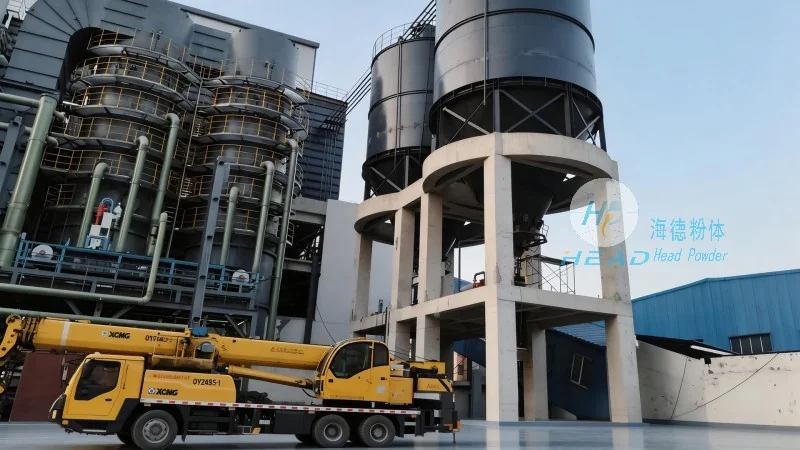
Pneumatic Conveying for Rice Bran Handling
Rice bran, a byproduct of rice milling, is a valuable material used in various industries, including animal feed, biofuel production, and cosmetics. Handling rice bran efficiently is crucial for maximizing its economic value and ensuring product quality. Pneumatic conveying systems are ideal for rice bran because they can transport the fine powder without causing agglomeration or degradation. The system design typically includes a hopper to store the rice bran, a feeder to control the flow rate, and a pipeline network that connects the storage area to processing or packaging units. The use of positive pressure systems is common for rice bran, as it allows for high-capacity transport over longer distances while maintaining the material's integrity.
Key Components of a Pneumatic Conveying System
Several key components work together to ensure the smooth operation of a pneumatic conveying system. The blower or vacuum pump provides the necessary air pressure or vacuum. The hopper or feeder regulates the material flow, preventing blockages and ensuring consistent transport. The pipeline network, often made of stainless steel or other corrosion-resistant materials, carries the material and air. Additionally, filters and cyclones are used to separate the material from the air, allowing the air to be recirculated or discharged safely. For rice bran applications, the system may also include special features such as anti-static measures to prevent dust accumulation and explosion risks.

Advantages of Pneumatic Conveying for Rice Bran
Implementing a pneumatic conveying system for rice bran offers numerous benefits. First, it reduces labor costs by automating the material transport process, minimizing the need for manual handling. Second, it improves product quality by preventing contamination and damage during transport. Third, it enhances safety by eliminating the need for workers to handle bulk materials directly. Fourth, it increases operational efficiency by allowing for continuous and high-volume transport. These advantages make pneumatic conveying an attractive solution for rice bran processing facilities looking to optimize their operations.
Conclusion
HeadPowder Engineering Co., Ltd., based in Shandong, China, offers comprehensive pneumatic conveying solutions tailored to the specific needs of rice bran handling. By leveraging the principles of pressure and vacuum conveying, these systems efficiently transport rice bran while maintaining product quality and operational safety. For businesses in the rice bran industry, investing in a reliable pneumatic conveying system can lead to improved productivity, reduced costs, and enhanced overall performance. With its expertise in industrial conveying technologies, HeadPowder continues to provide innovative solutions that meet the evolving demands of the market.