With more than 10‑year industry experience, Shandong Headpowder delivers full‑service pneumatic‑conveying systems and blowers, undertaking nationwide turn‑key powder‑handling projects.
When it comes to transporting polyethylene powder efficiently and safely, understanding the principles of pneumatic conveying is crucial. This article provides an in-depth look at polyethylene powder pneumatic conveying systems, detailing how they operate and the benefits they offer in industrial applications.
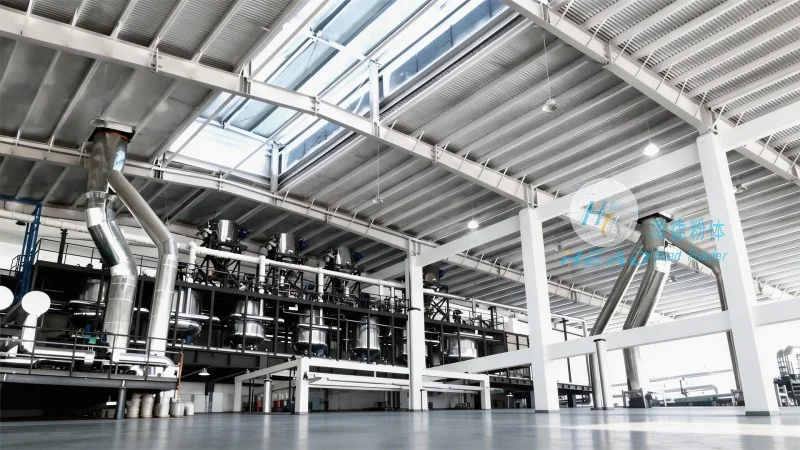
Polyethylene powder pneumatic conveying is a method used to transport polyethylene powder through a pipeline using air or other gas as the conveying medium. This technology is widely adopted in industries such as plastics manufacturing, chemical processing, and food processing due to its ability to handle fine powders like polyethylene with precision and minimal product degradation.
At Shandong HeadPowder Engineering Co., Ltd., we specialize in designing and manufacturing advanced powder handling systems tailored to meet the specific needs of our clients. Our company, commonly known as HeadPowder, is headquartered in Shandong, China, and has built a reputation for delivering reliable, efficient, and cost-effective solutions for various powder conveying challenges. With years of experience in the industry, we have developed a deep understanding of the unique requirements of polyethylene powder and other fine materials, enabling us to provide customized solutions that enhance operational efficiency and product quality.
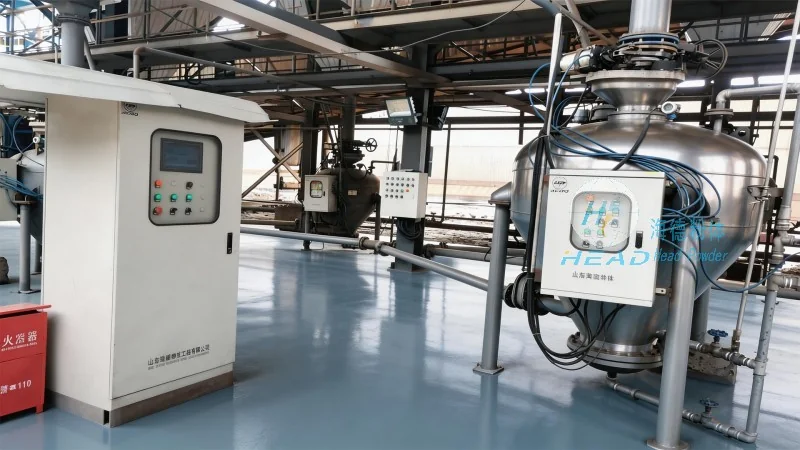
Pneumatic conveying systems for polyethylene powder typically consist of several key components, including a hopper for material storage, a feeder to control the flow of powder, a conveying line where the powder is transported, and a receiver or discharge point where the material is deposited. The process begins with the polyethylene powder being fed from the hopper into the conveying line. A fan or blower then generates a flow of air within the pipeline, creating a pressure differential that propels the powder particles forward. The air flow can be either positive pressure (where air is forced into the line) or negative pressure (where air is drawn out of the line), depending on the system design and application requirements.
During the conveying process, the polyethylene powder is suspended in the air stream and transported through the pipeline. The velocity of the air and the size of the powder particles determine the efficiency of the conveying system. Proper design of the system ensures that the powder is transported without clogging or degradation, maintaining the integrity of the material. The receiver at the end of the line collects the conveyed polyethylene powder, which can then be used for further processing or packaging.
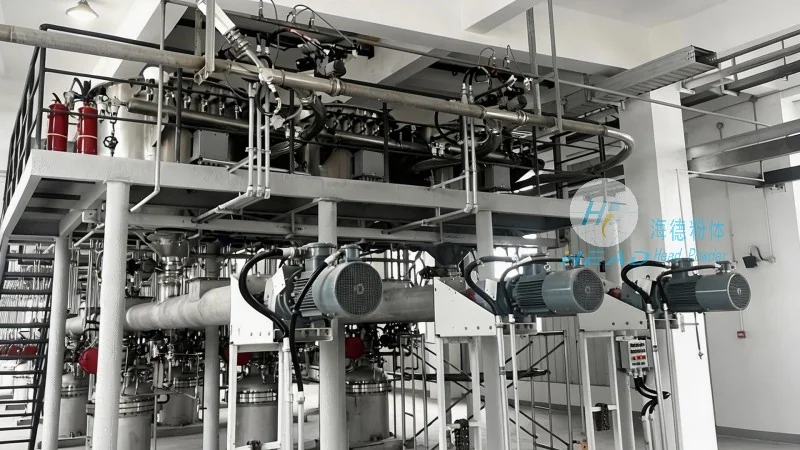
There are several advantages to using pneumatic conveying systems for polyethylene powder. One of the primary benefits is the ability to transport materials over long distances without the need for mechanical components like belts or buckets, which can be prone to wear and maintenance issues. Additionally, pneumatic conveying systems are highly flexible, allowing for changes in the conveying route or capacity without major modifications to the infrastructure. They also provide a clean and hygienic method of handling polyethylene powder, which is particularly important in industries where product purity is critical, such as food and pharmaceuticals.
Another advantage is the reduced risk of product contamination and cross-contamination compared to other conveying methods. Since the powder is enclosed within the pipeline, it is protected from external elements and contaminants. This is especially beneficial for polyethylene powder, which can be sensitive to moisture or other environmental factors that may affect its properties. Furthermore, pneumatic conveying systems can be integrated with other processing equipment, such as mixers or extruders, to create a seamless production line, improving overall operational efficiency.
Polyethylene powder pneumatic conveying systems are used in a wide range of applications across various industries. In the plastics industry, these systems are commonly used to transport polyethylene resin from storage silos to processing equipment like extruders or injection molding machines. This ensures a continuous and consistent supply of material, which is essential for maintaining production rates and product quality. In chemical processing, pneumatic conveying is used to transport polyethylene powders used as raw materials or additives in the production of various chemicals and polymers.
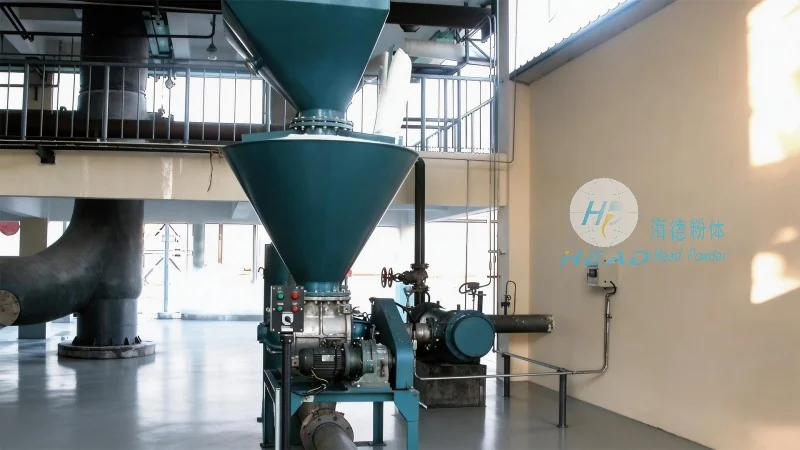
In the food and beverage industry, polyethylene powder pneumatic conveying is employed to transport food-grade polyethylene powders used as ingredients or packaging materials. The hygienic design of these systems ensures that the powder remains free from contaminants, meeting the strict quality standards required by regulatory bodies. Additionally, in the pharmaceutical industry, pneumatic conveying is used to transport polyethylene powders used in the manufacturing of drug delivery systems or packaging materials, where product purity and safety are paramount.
Polyethylene powder pneumatic conveying is a highly effective and efficient method for transporting fine powders like polyethylene. By understanding the working principles and advantages of these systems, industries can improve their operational efficiency, reduce costs, and enhance product quality. At Shandong HeadPowder Engineering Co., Ltd., we are committed to providing advanced powder handling solutions that meet the evolving needs of our clients, ensuring that polyethylene powder is transported safely and reliably in various industrial applications.

 Shandong Headpowder Engineering Co., Ltd.
 156-6277-7102(Manager Zhang)
  0531-83386006
  Zhangqiu District, Jinan City, Shandong Province, China
telephone
WeChatconsult
top